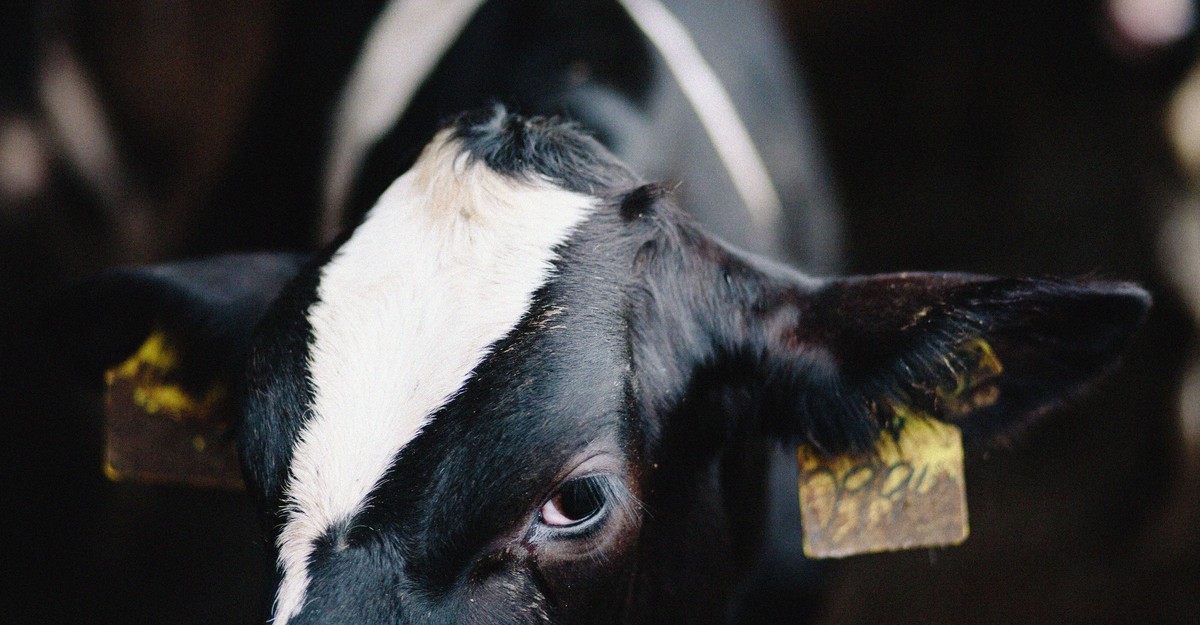
"In recent years, American milk has undergone a quiet transformation. The milk produced by our dairy cows has become creamier and more luscious as breakthroughs in cow genetics and nutrition have pushed the fat component of milk-also known as butterfat-to all-time highs. In 2000, the average dairy cow made 670 pounds of fat in her milk a year; today, she's making 1,025 pounds."
"This past fall, butter prices collapsed as a "tsunami" of butterfat inundated the market. "We really have an oversupply right now," Corey Geiger, the lead economist for dairy at CoBank, told me. The reason is twofold, he explained: U.S. farmers are keeping a near-record number of dairy cows, which are in turn producing milk with a record level of fat."
"Until last autumn's crash, farmers had every economic incentive to keep pushing the limit on fat. Butter and cheese consumption have been growing steadily since the 1990s, and butterfat prices were sky-high for several years running. When dairy farmers sell milk, they are generally paid not by volume-milk is mostly water, after all-but by the weight of its solid components, primarily fat and protein. More fat plus more protein adds up to a bigger milk check."
Milk from U.S. dairy cows has become creamier as cow genetics and nutrition pushed butterfat to record highs. Average butterfat per cow rose from 670 pounds in 2000 to 1,025 pounds today. Genomic selection made fat the most rapidly improved trait, and diet further boosted fat levels. A recent collapse in butter prices followed an oversupply caused by a near-record number of dairy cows producing milk with record fat. Consumers see cheaper butter while farmers face lower returns. Farmers are paid primarily for milk solids—fat and protein—so higher fat increased revenues until the oversupply reversed prices.
Read at The Atlantic
Unable to calculate read time
Collection
[
|
...
]