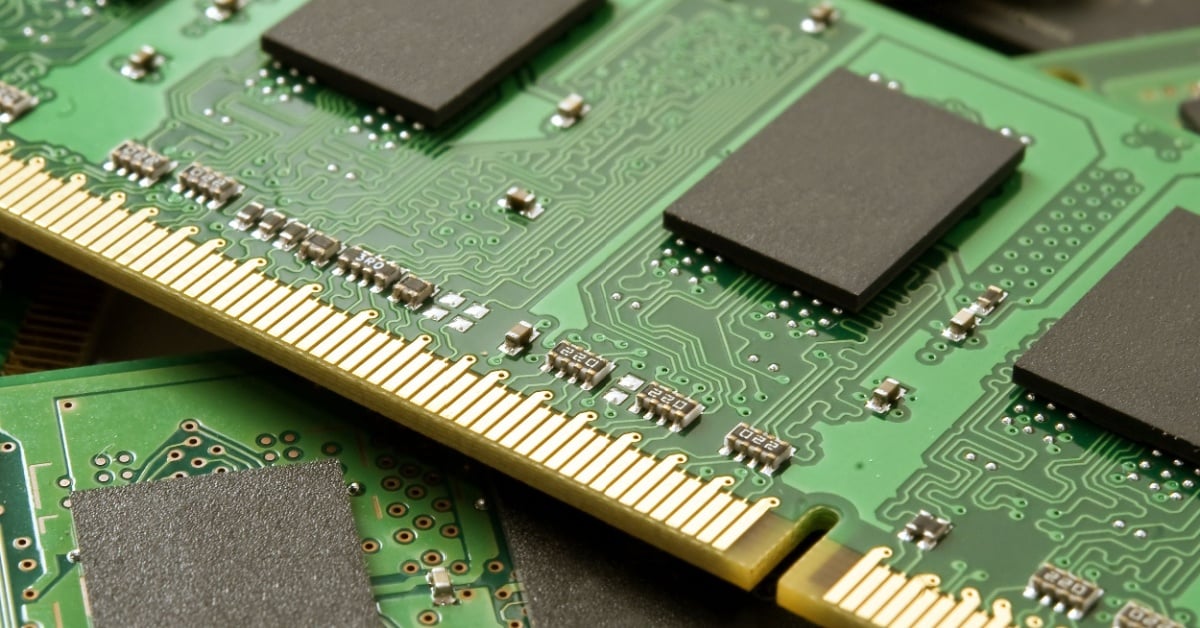
"Memory prices could soon be double what they were earlier this year as chipmakers switch to advanced products to target the AI market, leaving a shortfall of more mature chips such as those meeting the LPDDR4 standard. This is the warning from Counterpoint Research, which forecasts that memory prices are likely to rise 30 percent over current levels by the end of 2025, and possibly 20 percent further in the first half of 2026, due to critical chip shortages."
"The research biz points to LPDDR4 supply tightness brought on by suppliers shifting production to more advanced chips for AI applications, which it says is distorting the market. As an example, it claims that DDR5 for servers and PCs has been trading at around $1.50 per gigabit, while older DDR4 components used in consumer devices have risen to $2.10, a higher price than even the High Bandwidth Memory HBM3e, which is used in GPUs."
"Counterpoint also foresees trouble brewing in the more advanced memory market, and Nvidia could be the cause here because of its use of LPDDR. "The bigger risk on the horizon is with advanced memory as Nvidia's recent pivot to LPDDR means it is a customer on the scale of a major smartphone maker - a seismic shift for the supply chain which can't easily absorb this scale of demand," claims Research Director MS Hwang."
Memory prices are projected to rise about 30% by the end of 2025 and possibly another 20% in the first half of 2026, following roughly 50% increases already this year, implying a potential doubling by mid-2026. Shifting production capacity toward advanced DRAM for AI and servers is tightening supply of mature chips such as LPDDR4 and DDR4 for consumer devices. DDR5 trades near $1.50 per gigabit while DDR4 has risen to roughly $2.10 per gigabit. Nvidia's move to LPDDR for lower power consumption increases large-scale demand and further strains memory supply chains.
Read at Theregister
Unable to calculate read time
Collection
[
|
...
]