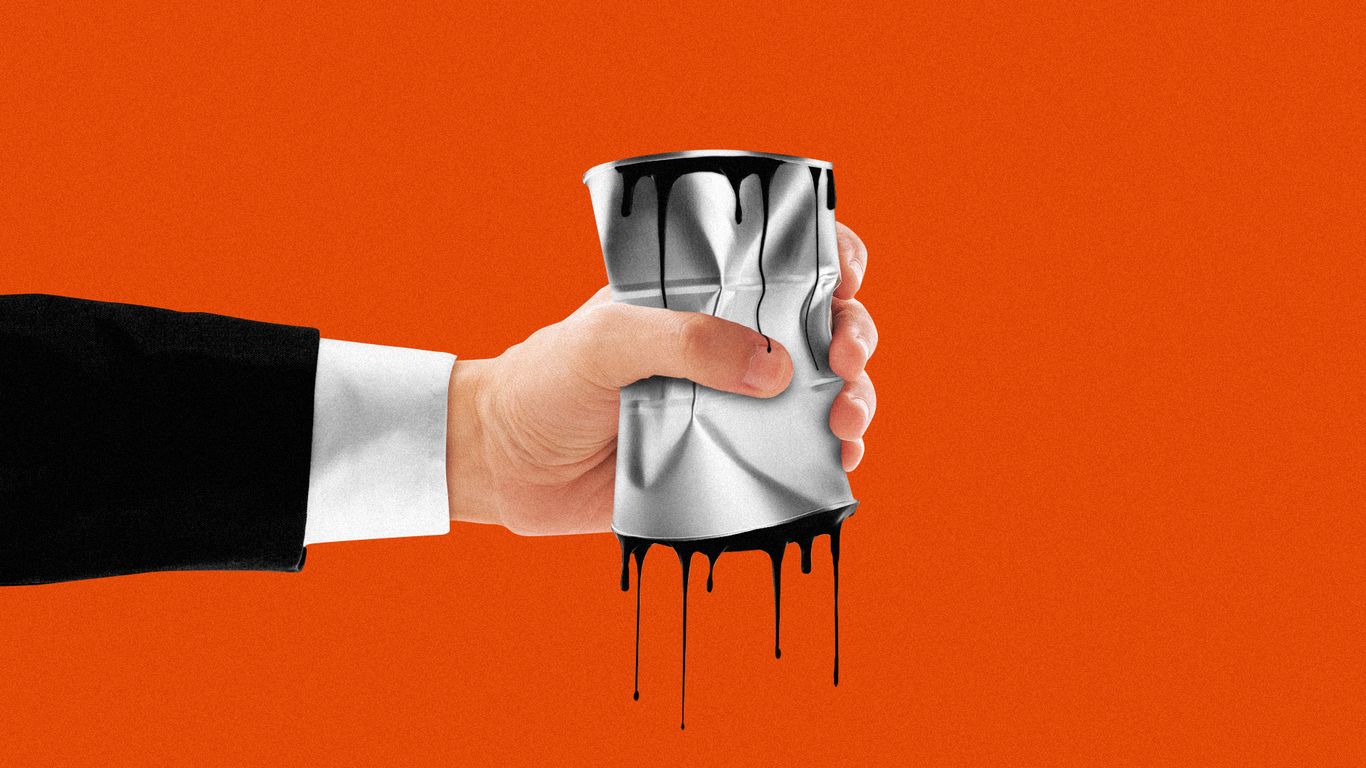
"Higher oil prices fueled by the Iran war are the main driver behind inflation, with the Consumer Price Index rising 3.8% in April, new data out this week shows. Higher energy prices accounted for the bulk of the increase between March and April, Axios' Courtenay Brown reported. Compared with the same period a year ago, energy costs are up 18%."
"The nation's grid watchdog took the unusual step last week of issuing its highest level warning that exploding power demand from AI data centers could strain electricity systems."
"Oil is primarily used in transportation, after all, so most of the impact hitting the economy is through gasoline and driving. Data centers, on the other hand, require electricity, which is not directly impacted by the war (at least in the United States, thanks in part to ample supplies of domestic natural gas)."
""Whether the issue is oil-supply disruption or power-sector strain, the lesson is the same," said Jason Bordoff, founding executive director of Columbia University's Center on Global Energy Policy. "When energy is unavailable, unreliable or unaffordable, economies slow, public anxiety rises, and policymakers have little room to focus on anything el"
Higher oil prices tied to the Iran war are fueling inflation, with the Consumer Price Index rising 3.8% in April. Energy costs account for most of the increase between March and April, and are up 18% compared with the same period a year ago. At the same time, electricity systems face growing pressure as AI data centers increase power demand. The grid watchdog issued its highest level warning about the risk of strain from exploding demand. Oil affects transportation through gasoline, while data centers rely on electricity, which is not directly impacted by the war in the United States due to ample domestic natural gas supplies. Energy shortages, unreliability, or high prices slow economies and limit policymaker options.
Read at Axios
Unable to calculate read time
Collection
[
|
...
]