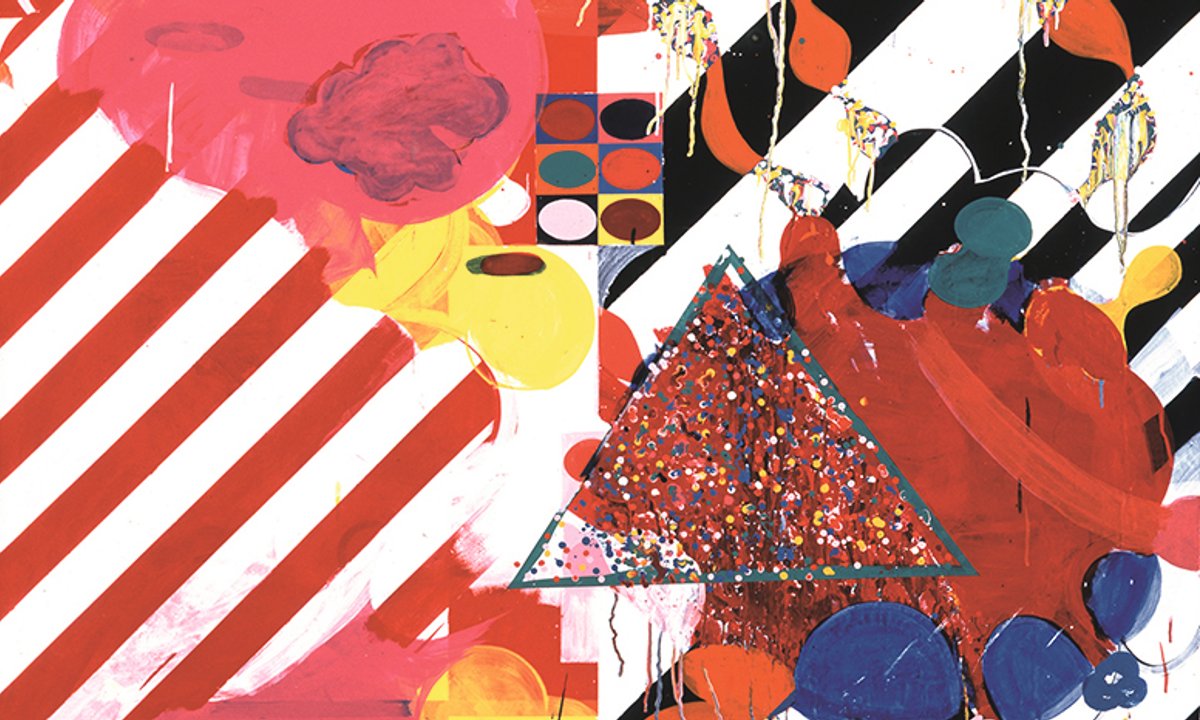
"In her 2002 autobiography, Infinity Net, the Japanese artist Yayoi Kusama describes going to extraordinary lengths to leave Japan in the 1950s, including sewing banknotes into her clothes and shoes. Once in Manhattan, she lived off market-stall scraps and sometimes nothing at all for days on end. Only her commitment to a "revolution in art", she writes, got her through the hunger and destitution, not to mention the opposition she encountered from what she thought of as a profoundly conservative art establishment."
""Action painting was all the rage then," she writes, "and everybody was adopting this style and selling the stuff at outrageous prices. My paintings were the polar opposite in terms of intention, but I believed that producing the unique art that came from within myself was the most important thing I could do to build my life as an artist.""
"Anti-Action: Artist-Women's Challenges and Responses in Post-war Japan, opening this month at the National Museum of Modern Art, Tokyo (Momat), demonstrates how Kusama's stance finds a distinctive echo in that of many other women artists working in Japan in the 1950s and 1960s. The art historian Izumi Nakajima coined the term "anti-action" to refer to these artists' disparate practices, which are not connected by common themes so much as a common fight-a fierce determination to do things differently."
Yayoi Kusama sewed banknotes into clothing and shoes to leave Japan and survived in Manhattan on market scraps and occasional days without food. Her dedication to a "revolution in art" sustained her through hunger, destitution, and opposition from a conservative art establishment. Action painting dominated the era, but Kusama pursued inward-generated, singular works. The exhibition Anti-Action: Artist-Women's Challenges and Responses in Post-war Japan at the National Museum of Modern Art, Tokyo connects Kusama with other women artists of the 1950s and 1960s. Izumi Nakajima coined "anti-action" for disparate practices united by fierce determination to do things differently. Several artists were neglected by contemporary critics.
Read at The Art Newspaper - International art news and events
Unable to calculate read time
Collection
[
|
...
]