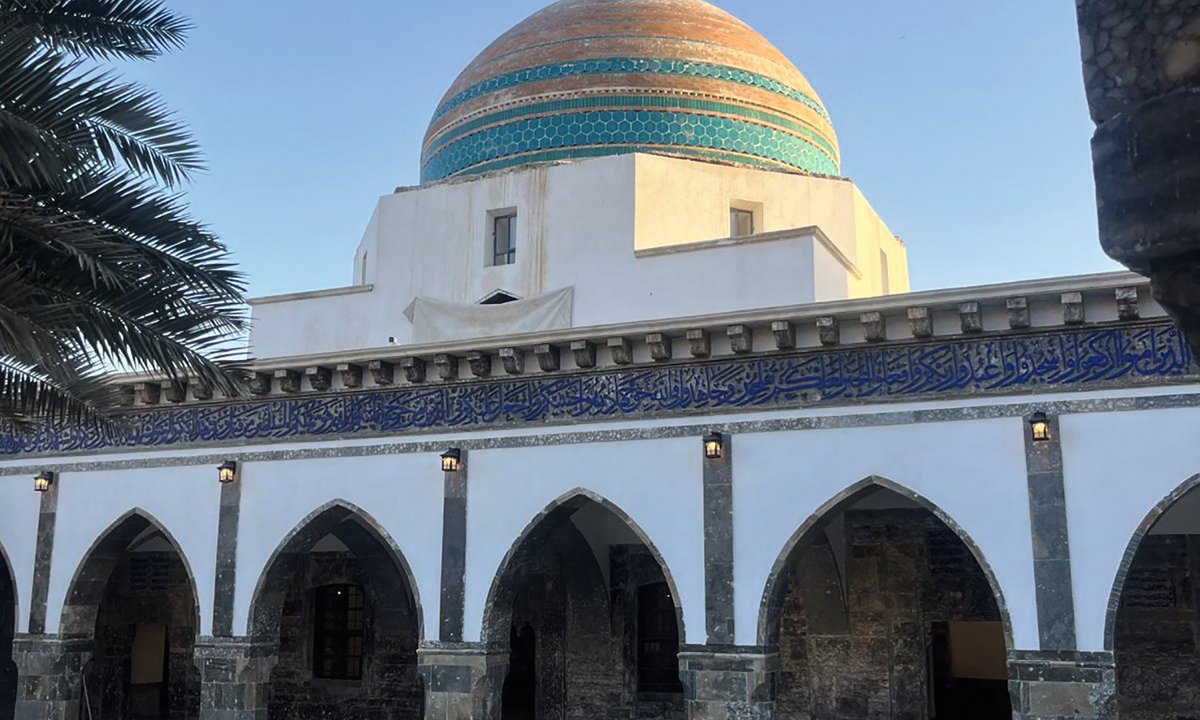
"When it was liberated in 2017, the northern Iraqi city lay in ruins at a level of destruction Unesco described as unequalled since the Second World War."
"The Al-Nouri Mosque, Al-Tahera Church and Al-Saa'a Convent are among the sites to have been restored under Unesco's $115m Revive the Spirit of Mosul programme."
"David Sassine, the project manager of Mosul Mosaic, an initiative launched by Aliph in 2018, tells The Art Newspaper that the NGO's primary reason for restoring churches and mosques is their heritage value. But it is also, he says, "a message that the international community is supporting the presence of all communities in Mosul", Displaced communities can be encouraged to return by building schools and restoring monuments, he says, although of course "you can't force anyone to return"."
Extensive reconstruction projects in Mosul began in 2018 after landmines and debris were cleared. Dozens of restorations were completed in the past year, including UNESCO's programme to restore Ottoman houses and the Isis-ravaged Mosul Central Library, which opened on 1 January. The UNESCO $115m Revive the Spirit of Mosul programme restored Al-Nouri Mosque, Al-Tahera Church and Al-Saa'a Convent. In October, two churches and a mosque restored by the Geneva-based NGO Aliph were inaugurated. Fewer than 70 Christian families now live in Mosul, down from a pre-2014 population of 50,000. Reports indicate Isis sleeper cells have been emboldened by the overthrow of President Bashar al-Assad in Syria. Mosul Mosaic, launched by Aliph in 2018, prioritises heritage value while also signalling international support for all communities, and notes that building schools and restoring monuments can encourage displaced people to return, though returns cannot be forced.
Read at The Art Newspaper - International art news and events
Unable to calculate read time
Collection
[
|
...
]