"She modeled for him - but it was much more than that. They worked together on Surrealist experimentation. She took pictures and did some odd freakery on them: solarization, deep shadow, the isolating of strange and provocative detail. They collaborated, but unsurprisingly she did not get full credit for what she did. He tended to claim that what emerged from the studio of Man Ray (emphasis on Man?) was his. She needed to wrest back control, to be the one calling the shots."
"One was the photographer featured in a current retrospective at Tate Britain, who was born in New York in 1907, moved to Paris in 1929, and then to London. She went to Europe in restless pursuit of the desire for others to believe in everything she had to offer - her multiple gifts as an artist, for example. The other was a model."
"Modeling in New York in the 1920s was her opening gambit. She had the looks and poise to succeed and her talents were quickly recognized. She arrived in Paris in the flapper era - sinuously tall, her hair close-cropped. My goodness, that wonderful androgynous look! She seemed made for the part - and the historical moment. But modeling had its limitations."
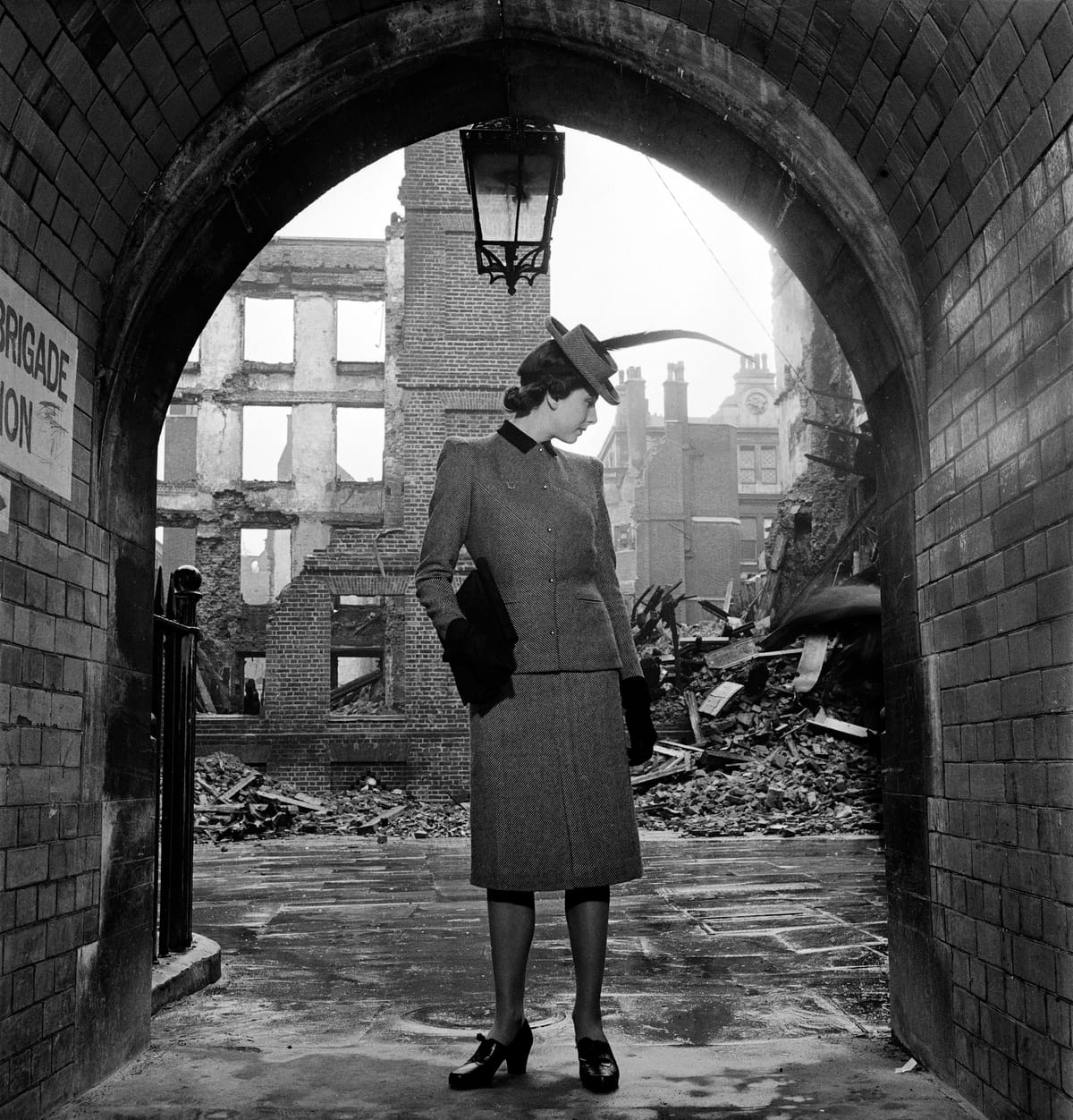
Lee Miller inhabited two personas: a successful 1920s model and an ambitious photographer. Born in New York in 1907, she moved to Paris in 1929 and then to London. Modeling opened doors but felt limiting, prompting a shift to photographic practice and collaboration with Man Ray on Surrealist experimentation. She employed techniques such as solarization, deep shadow, and isolating provocative detail, yet often did not receive full credit. Miller returned to London in 1939 and worked as a fashion photographer for Vogue as the shadows of war loomed, and her work took on increased urgency while retaining defiance, poignance, and oddball humor.
Read at Hyperallergic
Unable to calculate read time
Collection
[
|
...
]