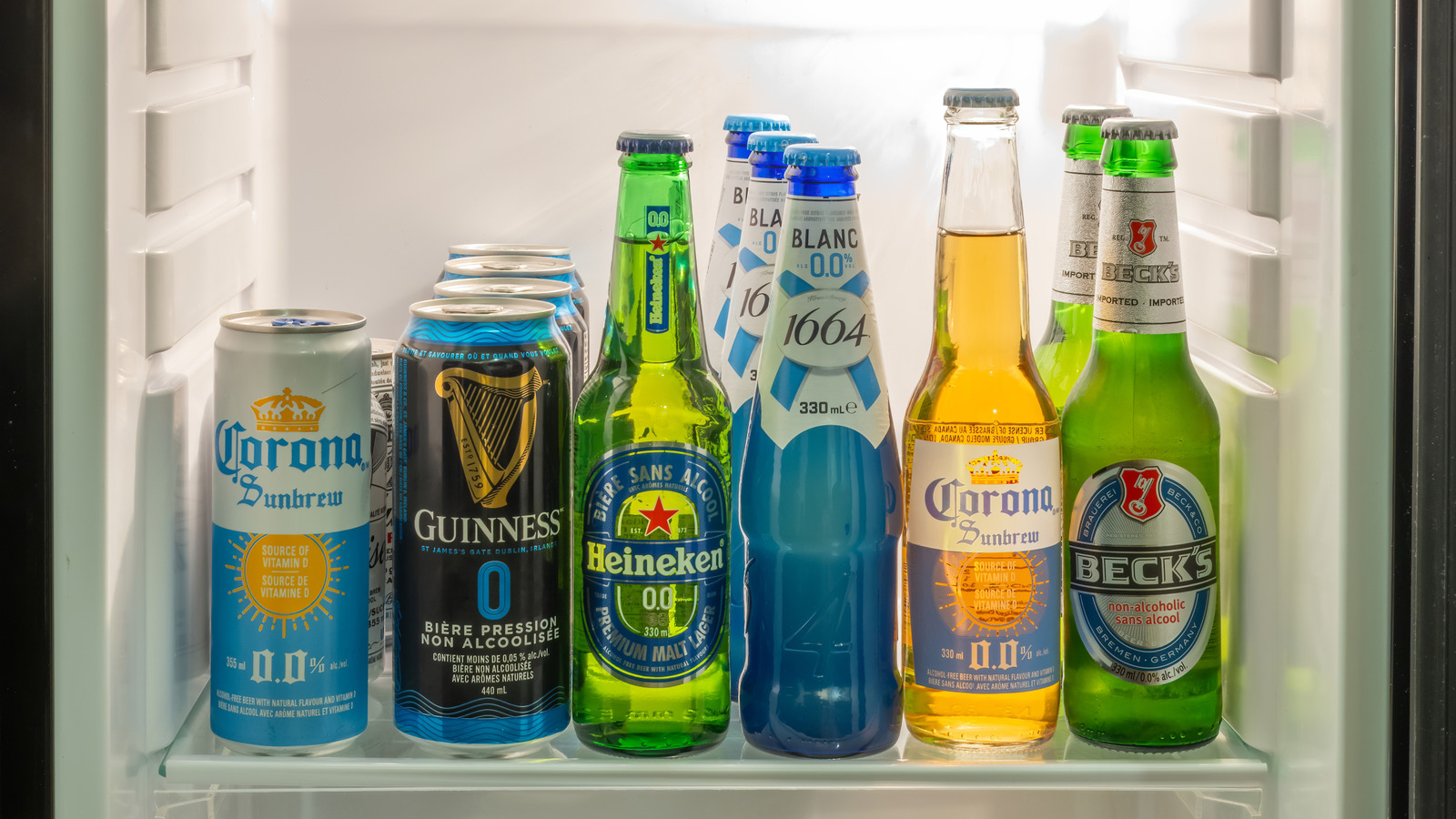
"“Size really depends on how much space you have for a dedicated fridge and where you are going to put it,” he said. “Dorm size can be nice for the casual drinker. Taller units for the connoisseur.” Consider how many cans and bottles you keep around, then decide if they can fit in a mini fridge or require a double-tier cooler."
"“It should be accessible and close to a power source, while allowing about an inch of space on all sides of the fridge to ensure proper ventilation and prevent overheating.” Bragg also cautioned to consider noise levels: “The fan on a commercial-style fridge may not be noticeable at the bar, but you certainly will notice it in a quiet game room.”"
"“I like ones that have a glass front so that you can see what's inside without having to open the door.” However, “The downside is that you ... need to keep the inside organized.” If you stock many different-looking brews and don't want to constantly rearrange, a fridge with a solid door will hide the chaos for a neater appearance."
"“Having adjustable shelves is a strong benefit so that you can efficiently use the space”"
A dedicated beer fridge should match the amount of beer you store and the space available where it will be placed. Dorm-size units can work for casual drinkers, while taller models suit more serious collections. Decide whether your cans and bottles fit in a mini fridge or need a double-tier cooler. Place the fridge near a power source and keep about one inch of clearance on all sides for ventilation to prevent overheating. Consider fan noise, since commercial-style fridges may be noticeable in quiet rooms. Glass-front designs allow viewing without opening the door but require keeping the interior organized, while solid doors can hide clutter. Adjustable shelves help use space efficiently.
Read at Tasting Table
Unable to calculate read time
Collection
[
|
...
]