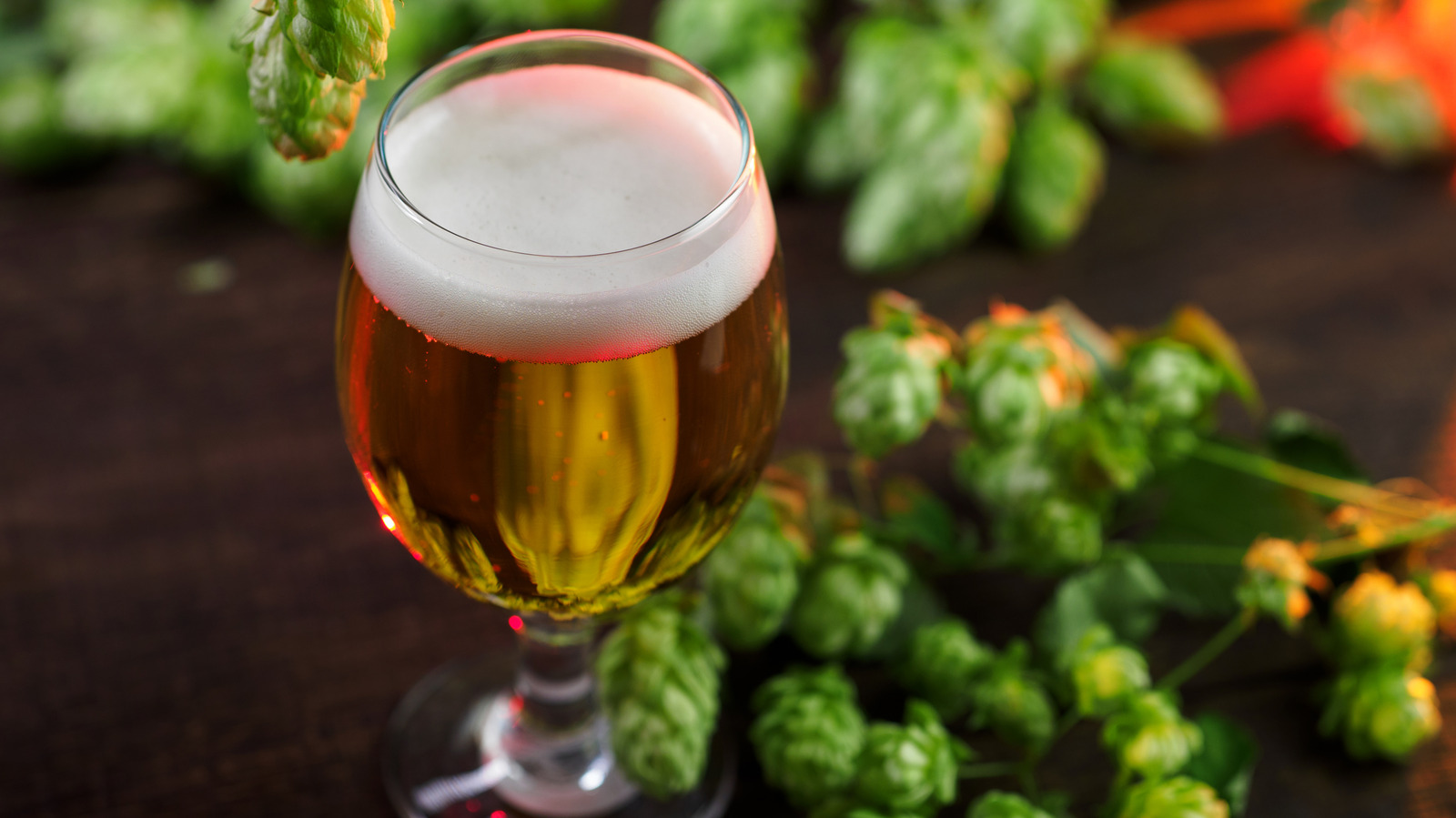
"Darker, maltier beer styles higher in alcohol - think imperial stouts and barleywines - age well. When beer ages, oxidation occurs. Coming into contact with oxygen, various compounds in beer react and change; in darker beers it can yield notes like sherry, tobacco, leather, balsamic vinaigrette, and dark, dried fruit. But in lighter beers, oxidation can cause off-flavors like wax and wet cardboard. Hop-forward beers like IPAs and pale ales are especially sensitive to time."
"In addition to standard oxidation-fueled off-flavors, hops break down over time and become stale-tasting. All those delicious citrusy, piney, resiny notes you want? Don't expect them to still be hanging around after about 90 to 120 days. This means you really want to pay attention to the expiration dates on beer. If you see a hoppy beer older than about three months in the cooler at a beer bar or on the shelf at a bottle shop or grocery store, that's a red flag."
Different beer styles age differently: darker, maltier, higher-alcohol beers like imperial stouts and barleywines can improve with time. Oxidation occurs as beer ages, with oxygen reacting with compounds to produce sherry, tobacco, leather, balsamic, and dark dried fruit notes in darker beers. Lighter beers tend to develop off-flavors such as wax and wet cardboard when oxidized. Hop-forward beers, especially IPAs and pale ales, are particularly sensitive and lose citrusy, piney, resiny hop characteristics after roughly 90 to 120 days. Peak freshness for hoppy beers is around three weeks, and seeing hoppy beers older than three months is a stock-rotation red flag.
#hoppy-beer-freshness #beer-oxidation-and-aging #shelf-life-and-expiration-dates #beer-storage-and-buying-tips
Read at Tasting Table
Unable to calculate read time
Collection
[
|
...
]