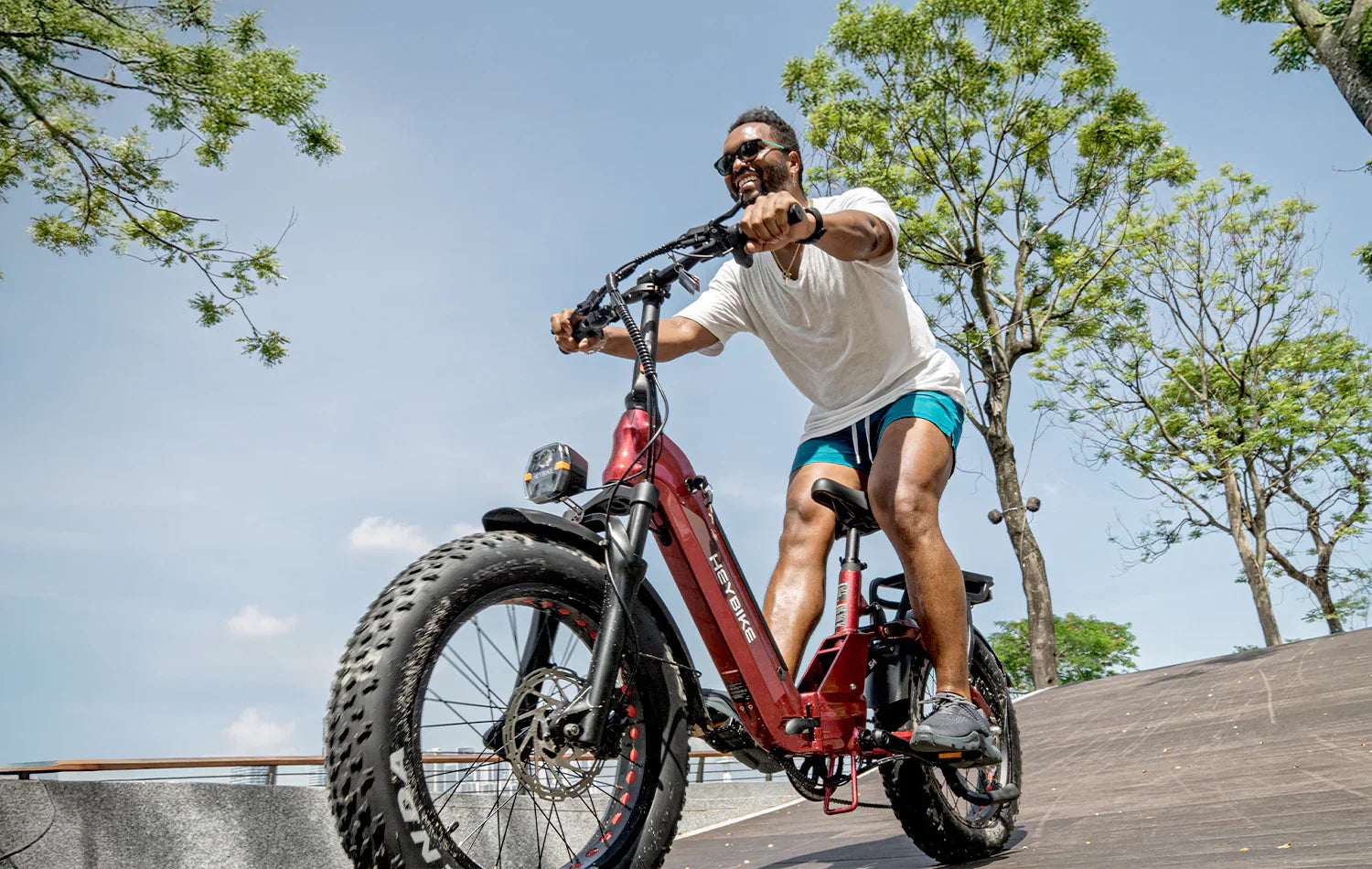
"A speed limiter is a built-in system that determines the maximum speed at which an electric bike's motor will continue to assist the rider. Once the bike reaches a certain speed, the motor gradually reduces power or stops assisting altogether. This system is controlled by the bike's controller, the small onboard computer that manages the motor, battery, and sensors."
"Manufacturers install speed limiters for several reasons: to comply with government regulations, to improve rider safety, and to protect the motor and battery from excessive strain. Removing or changing an electric bike speed limiter usually involves technical modifications and can also create legal and safety concerns."
"Software-based limiters are programmed into the bike's display or controller settings. The speed limit is managed through digital software that controls the motor's power output. Hardware-based limiters rely on physical components, such as speed sensors mounted on the wheels or motor."
Electric bikes use speed limiters to restrict motor assistance once a predetermined speed is reached, controlled by the bike's onboard computer system. These limiters exist to comply with government regulations, enhance rider safety, and protect motor and battery components from excessive strain. Some riders attempt to disable speed limiters for increased commute speed or better performance, but modifications involve technical complexity and potential legal consequences. In certain regions, modified e-bikes may be reclassified as motor vehicles rather than bicycles. Speed limiters function through two primary mechanisms: software-based systems programmed into the display or controller settings, and hardware-based systems using physical components like speed sensors.
#e-bike-speed-limiters #electric-bike-regulations #motor-assistance-systems #e-bike-safety-features #speed-limiter-modification
Read at Heybike
Unable to calculate read time
Collection
[
|
...
]