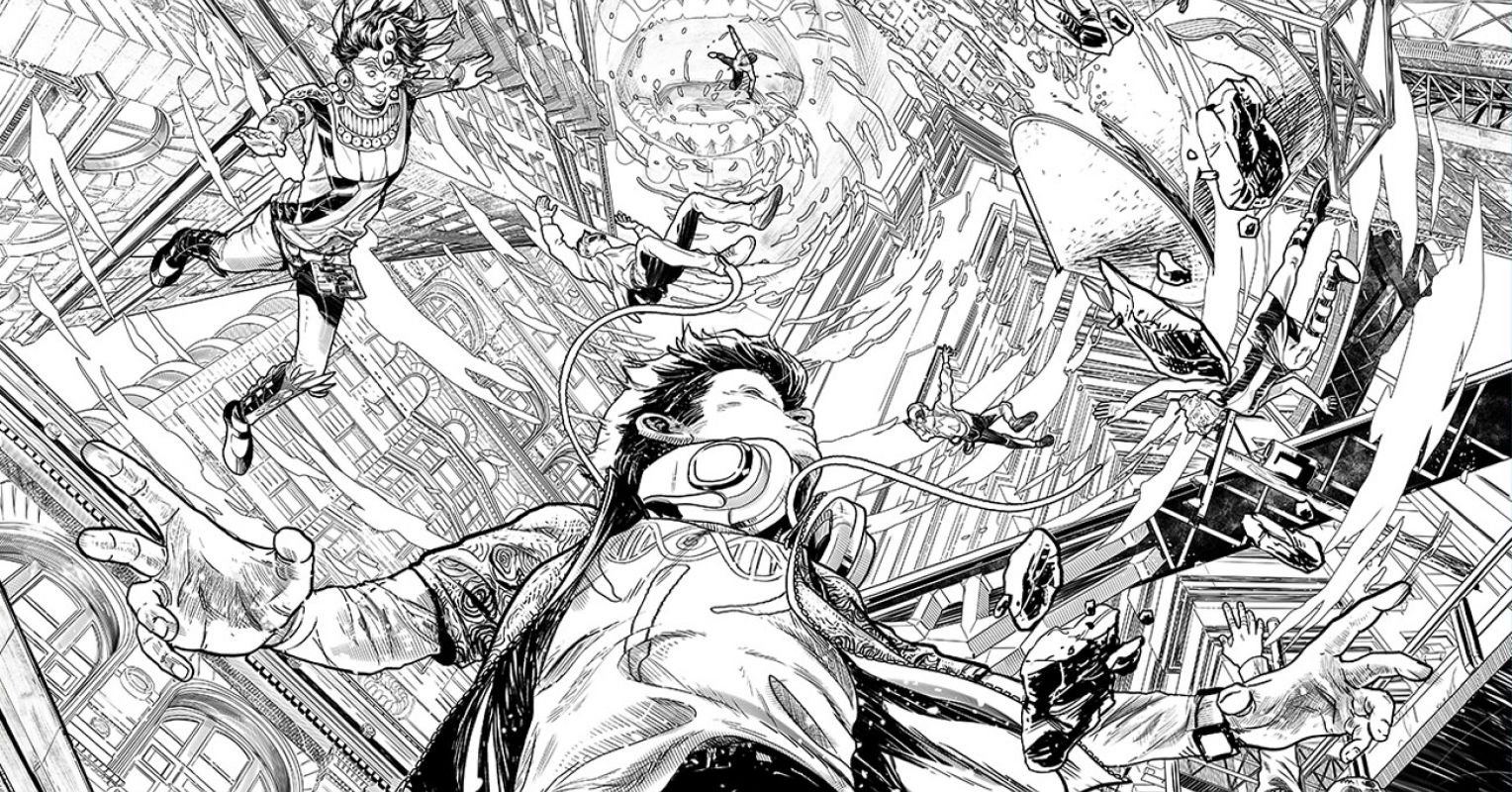
"Maus showed that images and narrative together can carry and deliver the weight of the unspeakable without losing the reader. Since then, graphic storytelling has steadily moved into spaces once reserved for traditional prose, including education and mental health."
"Traumatic experiences are stored in sensory fragments, images, body sensations, and emotional states rather than in linear language. Images, symbolism, and spatial composition in the graphic novel can hold those fragments in a way that feels coherent without requiring immediate verbal explanation."
"The enduring appeal of the Hero's Journey reflects a truth about how people process disruption and how we are drawn to the same story over and over again. In therapy, this arc shows up in the aftermath of trauma."
Comic books have transitioned from mere entertainment to a serious medium for exploring psychological and historical themes, particularly trauma. Maus, the first comic to win a Pulitzer Prize, exemplifies this shift by effectively conveying complex emotional experiences through images and narrative. Graphic storytelling has found its place in education and mental health, allowing for engagement with difficult subjects at one's own pace. The medium captures fragmented traumatic experiences in a coherent manner, facilitating understanding without the need for verbal explanation, and reflects the Hero's Journey in processing trauma and rebuilding identity.
Read at Psychology Today
Unable to calculate read time
Collection
[
|
...
]