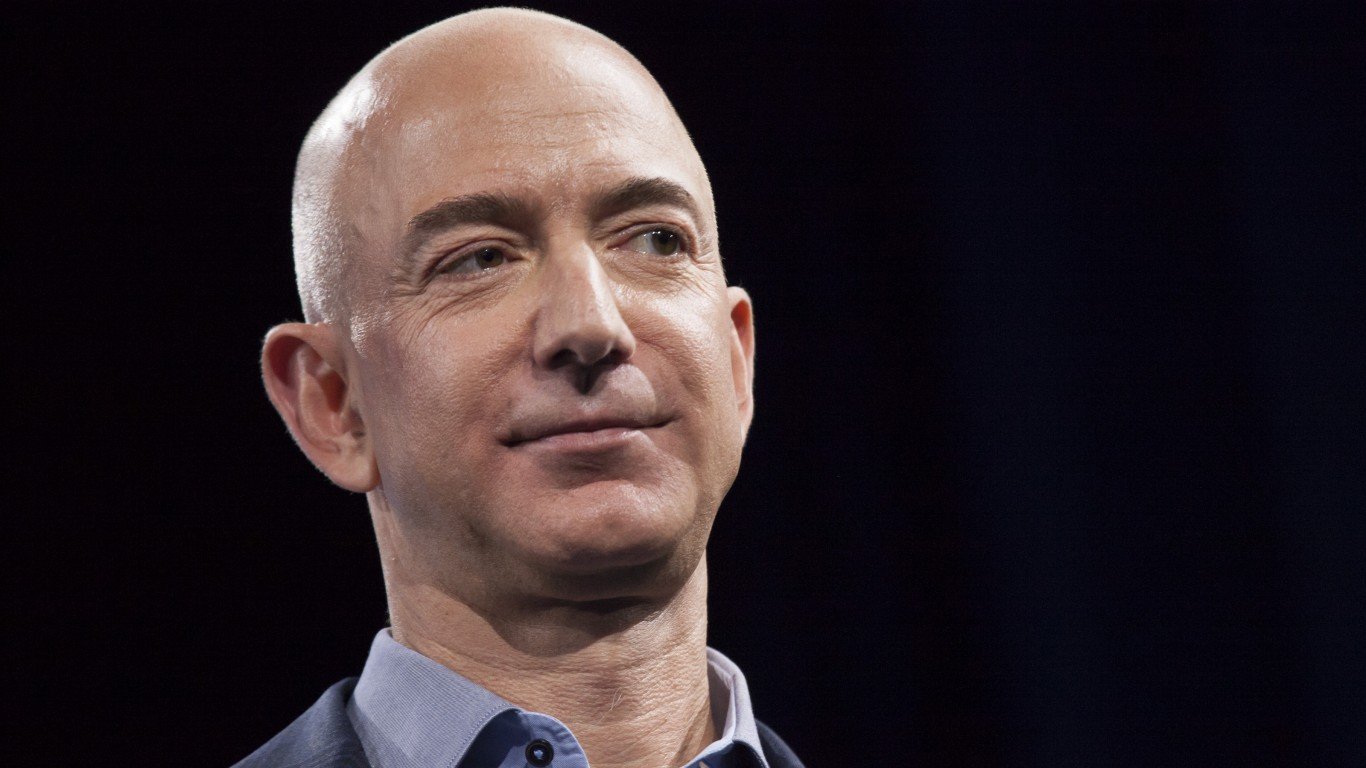
"Iconic founders and long-tenured CEOs rarely walk away entirely. They migrate to the executive chairperson seat, retaining board voting power, equity alignment, and strategic influence. The pattern signals whether a handoff is clean and time-boxed or whether it carries shadow-CEO risk and strategic drift. Here is how seven landmark transitions compare."
"Microsoft set the modern template. Gates left the CEO role in 2000, served as board chair, then technical advisor, then exited the board entirely. The gradual transition gave Satya Nadella room to build a cloud and AI franchise: Q3 FY26 revenue of $82.89 billion (+18.3%), Azure +40%, and an AI run rate of $37 billion (+123% year over year). Since Gates left the board, the stock has returned around 156%. The cleanest handoff on this list."
"Oracle shows what happens when the chair remains the dominant strategic voice. Ellison stepped down as CEO in 2014 but remains executive chair and CTO, with 40.5% insider ownership. Q3 FY26 delivered $17.19 billion in revenue, IaaS up 84% to $4.89 billion, and remaining performance obligations of $553 billion (+325% year over year). Five-year return: 143.4%. This works when founder vision aligns with market momentum."
"Starbucks illustrates the optionality embedded in the chair role. Schultz cycled through chair and chair emeritus titles, returning as CEO multiple times. Brian Niccol now holds the reins, with Q2 FY26 revenue of $9.53 billion (+8.8%), global comps +6.2%, and a Niccol quote calling it "the turn in our turnaround." Shares are up 26.6% year to date. The chair status keeps the comeback door open, for better or worse."
Iconic founders and long-tenured CEOs frequently move from CEO to executive chairperson while keeping board voting power, equity alignment, and strategic influence. This pattern can signal whether succession is clean and time-boxed or whether it creates shadow-CEO risk and strategic drift. Seven landmark transitions show different outcomes. Gates stepped down as CEO, served as board chair, then technical advisor, and eventually exited the board, enabling a cloud and AI buildout. Ellison remained executive chair and CTO with substantial insider ownership, keeping a dominant strategic voice. Schultz cycled through chair and emeritus roles and returned as CEO, keeping optionality. Bezos moved to executive chair to focus on external ventures while Andy Jassy ran Amazon.
Read at 24/7 Wall St.
Unable to calculate read time
Collection
[
|
...
]