"EWZ tracks the MSCI Brazil 25/50 Index and holds roughly 50 large- and mid-cap Brazilian stocks, with iron-ore miner Vale, state oil company Petrobras, and the country's big banks (Itaú Unibanco, Banco Bradesco, Banco do Brasil) typically commanding the largest weights. The fund collects whatever those companies pay in Brazilian reais, converts proceeds to dollars, deducts the 0.59% expense ratio, and passes the rest along twice a year. The distribution is whatever Brazilian corporate boards decide to send out, translated through the BRL/USD rate."
"That mechanic explains the recent swings. The June 2025 distribution came in at $0.52, the December 2025 payment at $1.03, plus a January 2026 reconciliation of $0.11. What matters is whether the underlying companies still have the cash to pay."
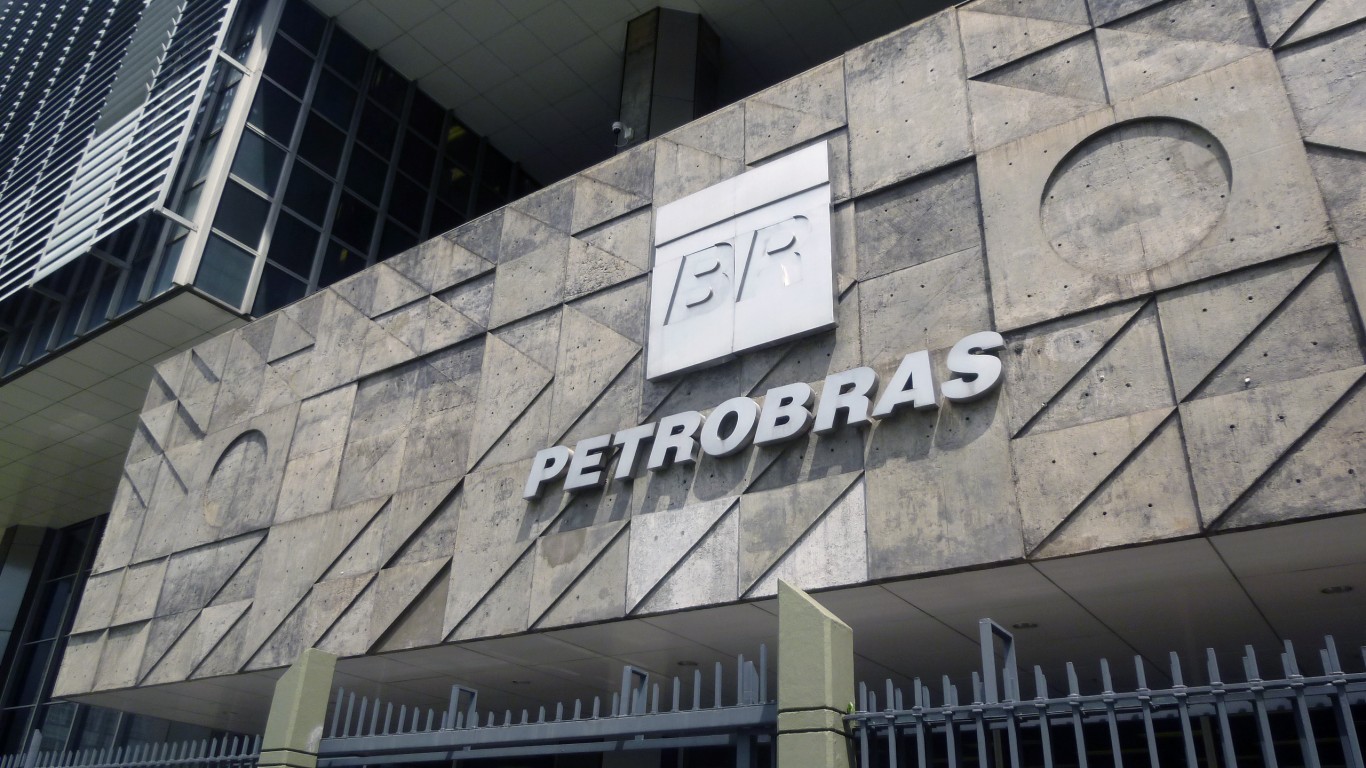
"Petrobras and Vale dominate distribution capacity. WTI crude sits at almost $110 a barrel, in the 98th percentile of its 12-month range against a one-year average of $69. Petrobras is a dividend machine when oil holds above $80 and a dividend cutter when it sinks below $60, so current levels point to elevated payouts ahead. Iron ore has stayed firm enough to keep Vale's variable dividend policy active."
"The risk is exactly that dependency. Brazilian commodity producers do not smooth payouts the way US dividend aristocrats do. Petrobras moved to a free-cash-flow-linked formula in 2023, and Vale already pay"
EWZ tracks the MSCI Brazil 25/50 Index and holds about 50 large- and mid-cap Brazilian stocks, including Vale, Petrobras, and major banks. The fund collects dividends paid in Brazilian reais, converts them to dollars, subtracts a 0.59% expense ratio, and distributes the remainder twice per year. Distribution amounts vary based on what corporate boards decide and on BRL to USD translation. Recent payments show large swings, including $0.52 in June 2025, $1.03 in December 2025, and a $0.11 January 2026 reconciliation. Petrobras and Vale largely determine distribution capacity, with payouts tied to oil and iron-ore levels. Commodity-linked policies can raise or cut dividends quickly, so future checks depend on commodity cash flow rather than stable rules.
Read at 24/7 Wall St.
Unable to calculate read time
Collection
[
|
...
]