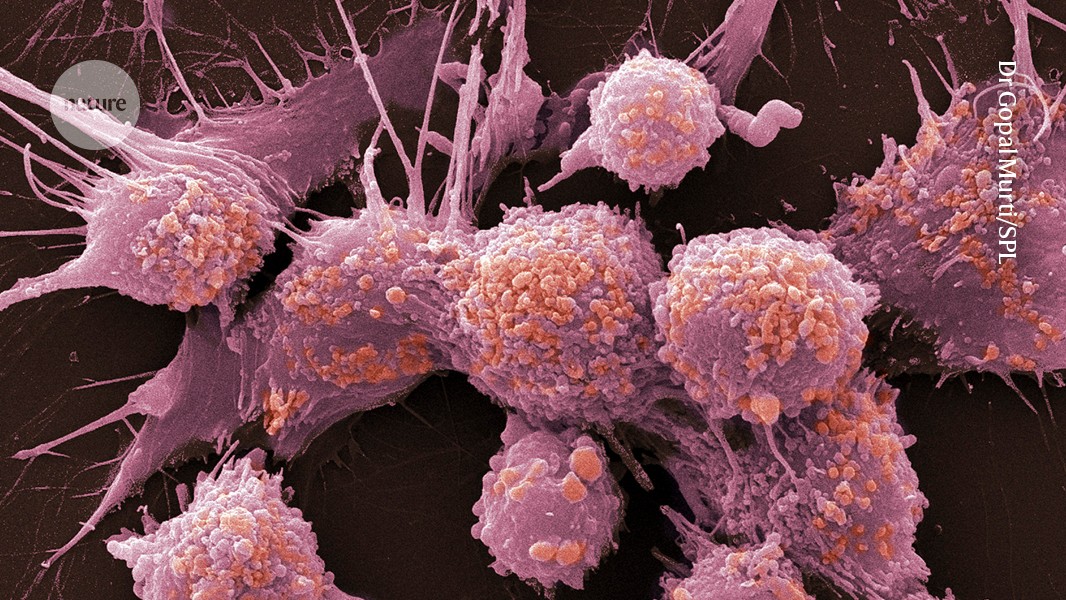
"Now, data from nearly 800,000 people has prompted a U-turn. A Cochrane review published today suggests that testing for prostate-specific antigen (PSA) "likely reduces the risk of dying" from prostate cancer - and without increasing the likelihood of negative side effects caused by prostate biopsies or prostate cancer treatment. The number of lives saved is small, the group found, but the latest finding still marks a reversal of Cochrane reviews published in 2006 and 2013."
"The authors of the most recent version say that that their findings were driven in part by data from two new trials, encompassing more than 250,000 people and from extra years of data from four older trials. The report comes as several policy bodies around the world are reviewing guidelines for medics on the use of PSA testing. "This finding is a milestone. I think it will make a difference for a lot of policy makers," says Philipp Dahm, a urologist at the University of Minnesota in Minneapolis and corresponding author of the review."
"In the 1980s, scientists discovered that a blood test for PSA, a protein produced by the prostate, could detect prostate cancer. Prostate cancer is one of the most common types of cancers in men, affecting 1.5 million worldwide in 2022. Most men diagnosed with prostate cancer do not die from the disease. (This article uses the word "men" to reflect wording in cited studies and reports.)"
"The introduction of a blood test made screening for prostate cancer more common, and the number of recorded cases skyrocketed. But the test can flag people with very slow-growing tumours or those with prostates that are enlarged but cancer-free. Such results raise the possibility that people who test positive"
PSA blood testing can detect prostate cancer by measuring a protein produced by the prostate. Prostate cancer is common, but most diagnosed men do not die from the disease. Screening became more common after the PSA test was introduced, and recorded diagnoses increased sharply. PSA results can also identify slow-growing tumors or benign prostate enlargement, leading to further evaluation. The latest Cochrane review, using data from nearly 800,000 people and additional trial information, finds that PSA testing likely reduces the risk of dying from prostate cancer. The review also reports no increase in the likelihood of negative side effects from prostate biopsies or prostate cancer treatment. The estimated number of lives saved is small, but the conclusion reverses earlier Cochrane findings.
Read at Nature
Unable to calculate read time
Collection
[
|
...
]