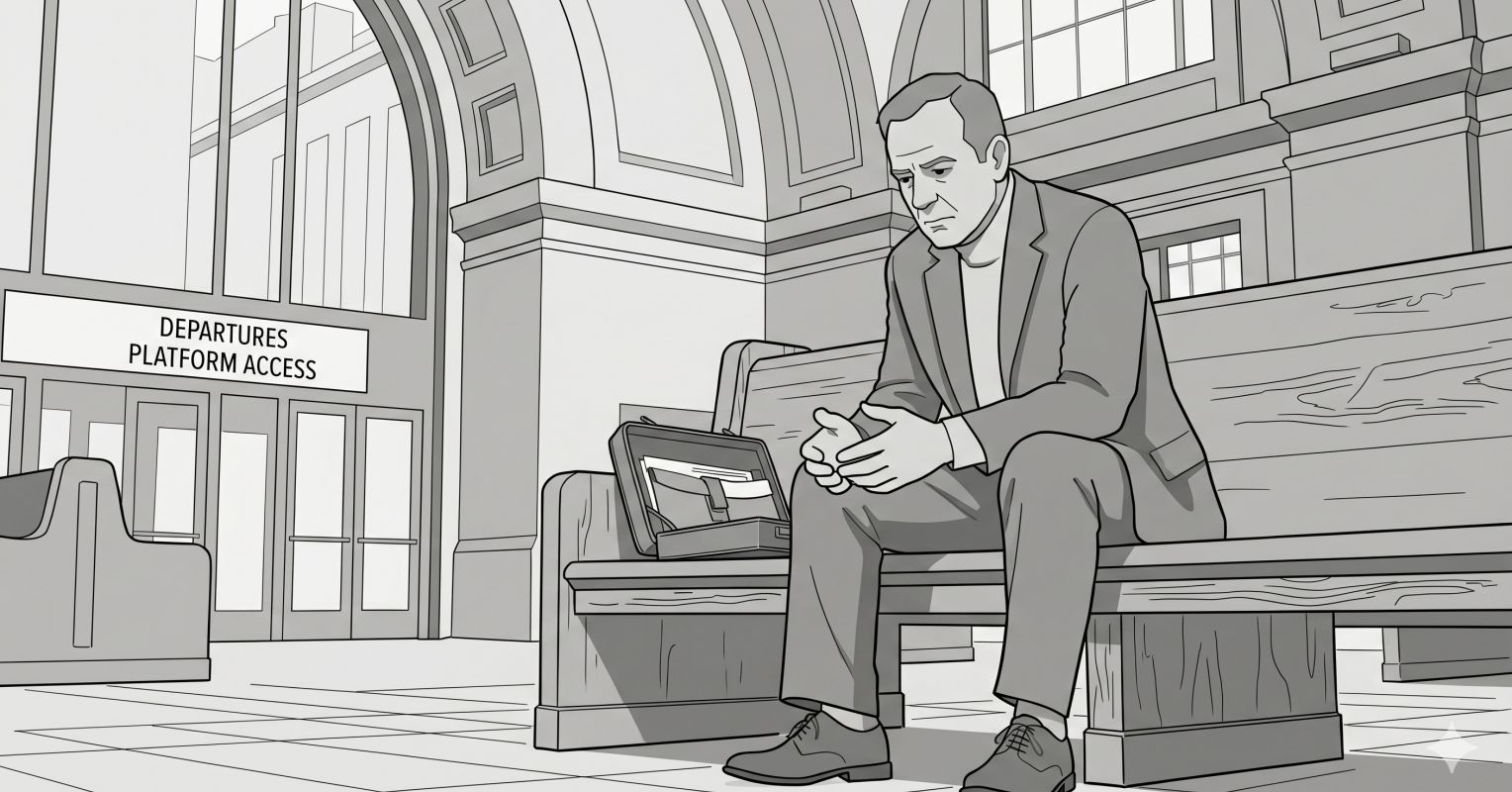
"Then one morning, you realize the version of yourself everyone called, consulted, deferred to, and needed is no longer on the other end of the line. And nobody prepared you for that. Not even close. This is not a post about retirement, a word the people it concerns would bristle at."
"For decades, the work was not what they did; it was who they were. Stripping that away is not a career transition but an identity crisis, and the data suggest it is far more common than anyone acknowledges. When the Indispensable Becomes Invisible"
"I have watched brilliant, capable people leave roles they built their lives around, only to unravel through a slow erosion of purpose, a growing restlessness, and a sense that relevance is leaking away, and no amount of busyness can stop it. Most of them would tell you they are fine. They are not fine. They are in transition, which is different."
"Change Is Not Transition Author and consultant Bill Bridges drew a distinction that matters here: Change is external. The job ends, the role concludes, the calendar clears. The transition is internal. It is the psychological passage from who you were to whatever comes next. Bridges called the first phase an Ending, and he was unsparing about what it requires: You cannot begin"
A phone stops ringing, and a person realizes the version others relied on is no longer available. Decades of work can become identity, so losing indispensability creates more than a career shift. Removing that role often produces an identity crisis marked by slow erosion of purpose, restlessness, and a sense that relevance is disappearing. Many people appear fine while actually being in transition rather than simply experiencing change. Data show many adults remain interested in working after retirement, not for money but for something they cannot name. Change is external, while transition is internal, requiring a psychological passage from who someone was to what comes next.
Read at Psychology Today
Unable to calculate read time
Collection
[
|
...
]