"It means "improvement"often the continuous, gradual, methodical kind. And Toyota's first electric vehicles, including the Subaru Solterra, badly needed some of it. On paper, those EVs should've capitalized on the uber-popularity of cars like the Toyota RAV4 and the Subaru Forester. Instead, the original Solterra offered middling range figures, delivered abysmal fast-charging times and lacked key EV software features, like automatic route-planning. Its Toyota twin, the bZ4X, had all of the same problems."
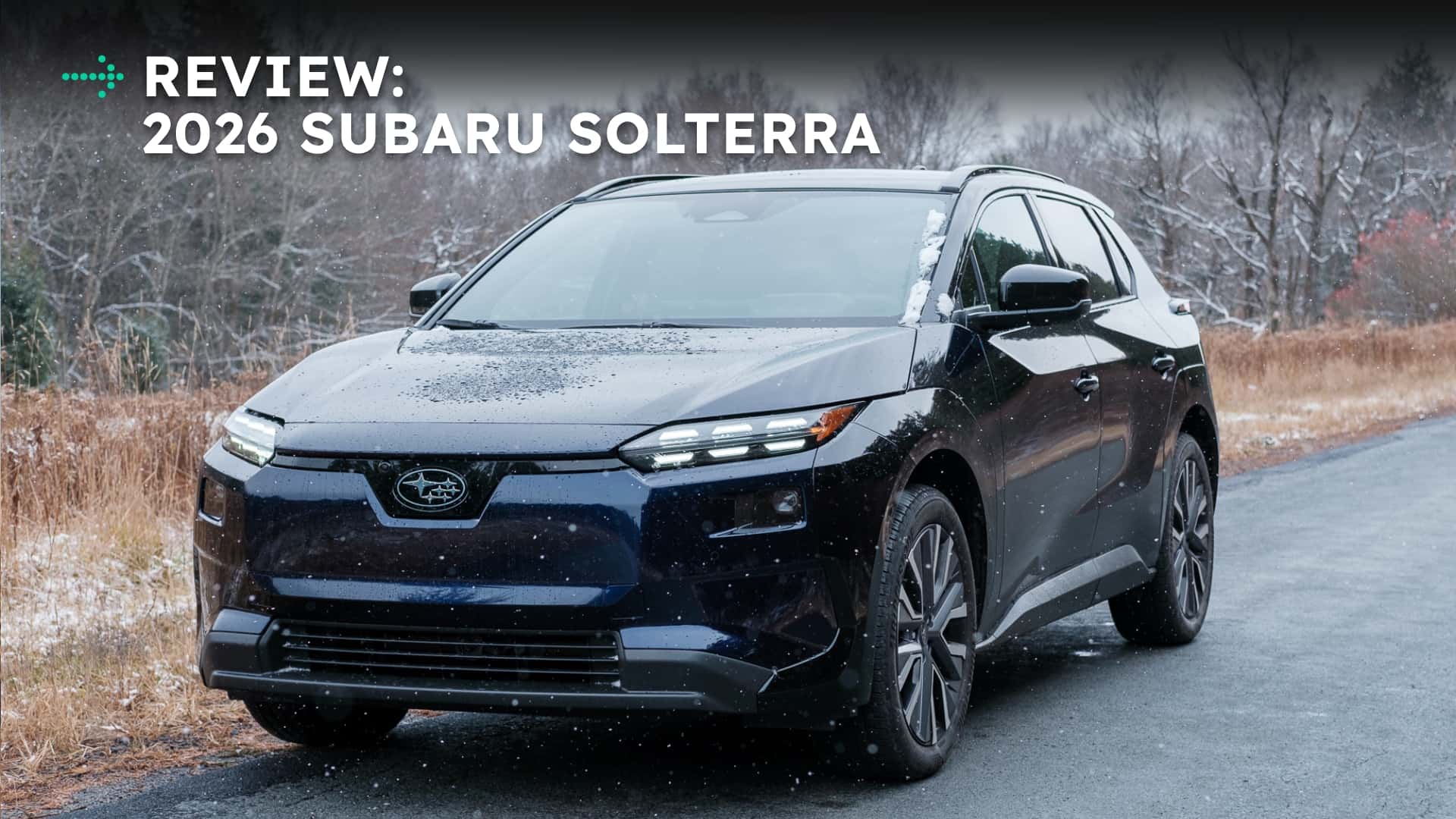
"But for 2026, Subaru's EV crossoverwhich will soon be joined by two other electric modelsbenefits from some significant improvements. It is a dramatically better EV than it used to be, but there's one area where it still fails to hit the mark, and that will still make road trips harder than they need to be. (Full Disclosure: Subaru loaned me a 2026 Solterra for a week of testing.)"
"Thanks to the increased size, better cell insulation and upgraded cooling, it now offers up to 285 miles, depending on the trim level. My top-of-the-line Touring XT tester was rated at 278 miles, and it largely delivered on that. When upstate New York's temperatures dropped, the Solterra did 255 miles on a full charge, so I'd say it's within acceptable winter range-loss parameters."
Subaru's 2026 Solterra shares Toyota engineering and receives the same EV improvements while retaining Subaru-specific styling and off-road modes. Battery capacity increases to 74.7 kilowatt-hours, raising range up to 285 miles depending on trim; a Touring XT is rated 278 miles and achieved about 255 miles in cold conditions. Improvements address earlier shortcomings such as middling range, slow fast-charging, and missing EV software features. All-wheel drive remains standard. Significant upgrades make the Solterra markedly better than the original model, though one remaining shortfall still complicates long-distance road trips.
Read at insideevs.com
Unable to calculate read time
Collection
[
|
...
]