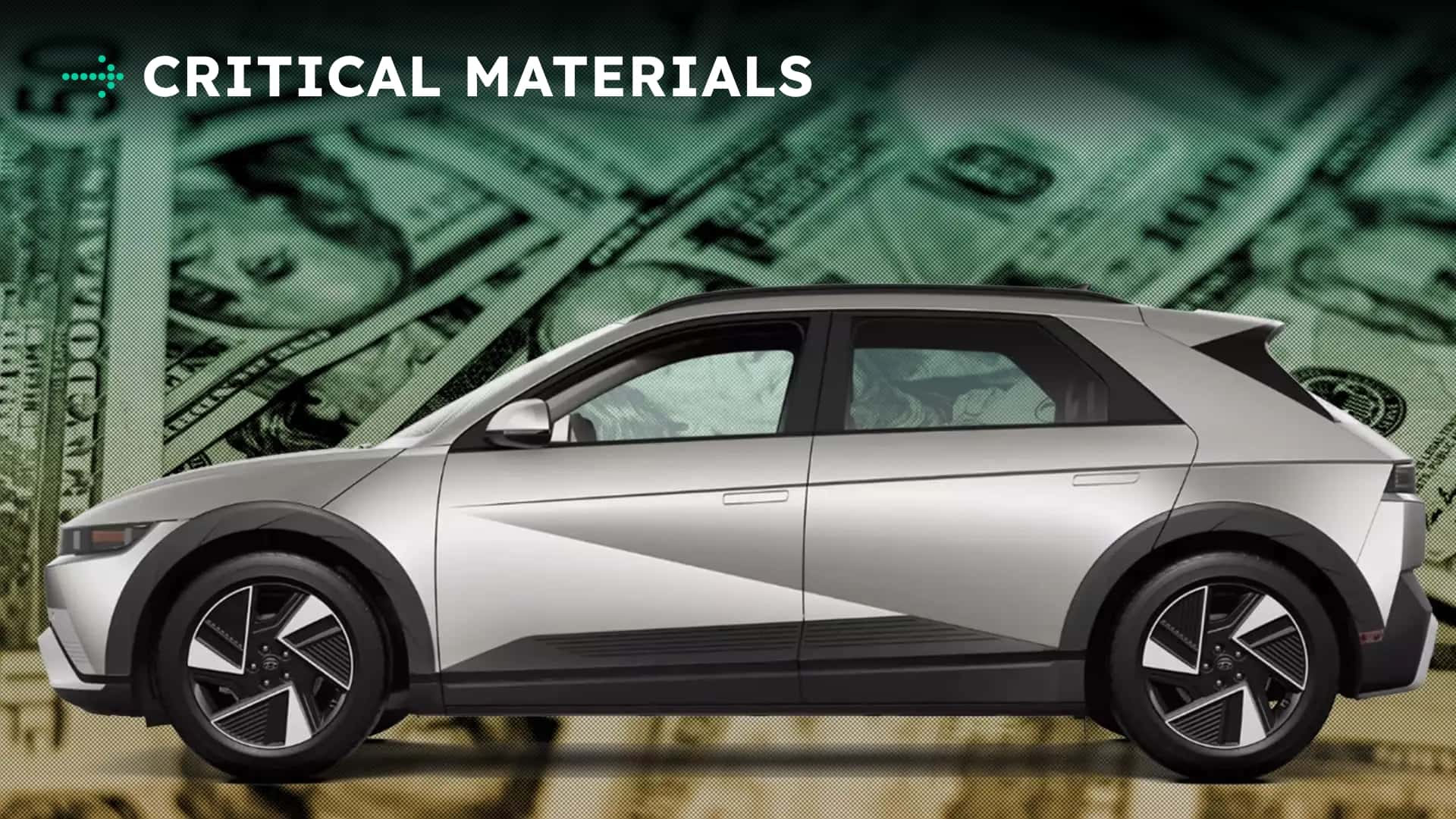
"This spike in car prices is nothing new, unfortunately. They've been on the rise for years but significantly increased during and after the pandemic. But for the past two years or so, EVs represented a bright spot in the affordability landscape. Aggressive lease deals, the $7,500 tax credit and other incentives often made going electric the cheapest and best way to get a decent new car."
"When all of that went away, I wondered if they'd take the entire new-car market down with them. And November sales data show this to be happening, according to Automotive News: Light-vehicle deliveries fell 6.3% in November from the same month last year, when there was one additional selling day, GlobalData said in a preliminary report. On a selling day-adjusted basis, sales dropped 2.6 percent."
Average new-car prices have reached about $50,000, placing many models out of reach for buyers. A policy change that reduced EV incentives removed key affordability supports such as aggressive lease deals and the $7,500 tax credit. With those incentives gone, EV sales have fallen and the overall new-vehicle market has softened. November light-vehicle deliveries fell 6.3% year-over-year and 2.6% on a selling-day-adjusted basis. Sales of most EVs declined significantly. Some brands like Toyota and Kia posted modest gains driven by strong hybrid demand and lower-priced models. Automakers face pressure to respond to shifting buyer affordability needs and competitive dynamics.
Read at insideevs.com
Unable to calculate read time
Collection
[
|
...
]