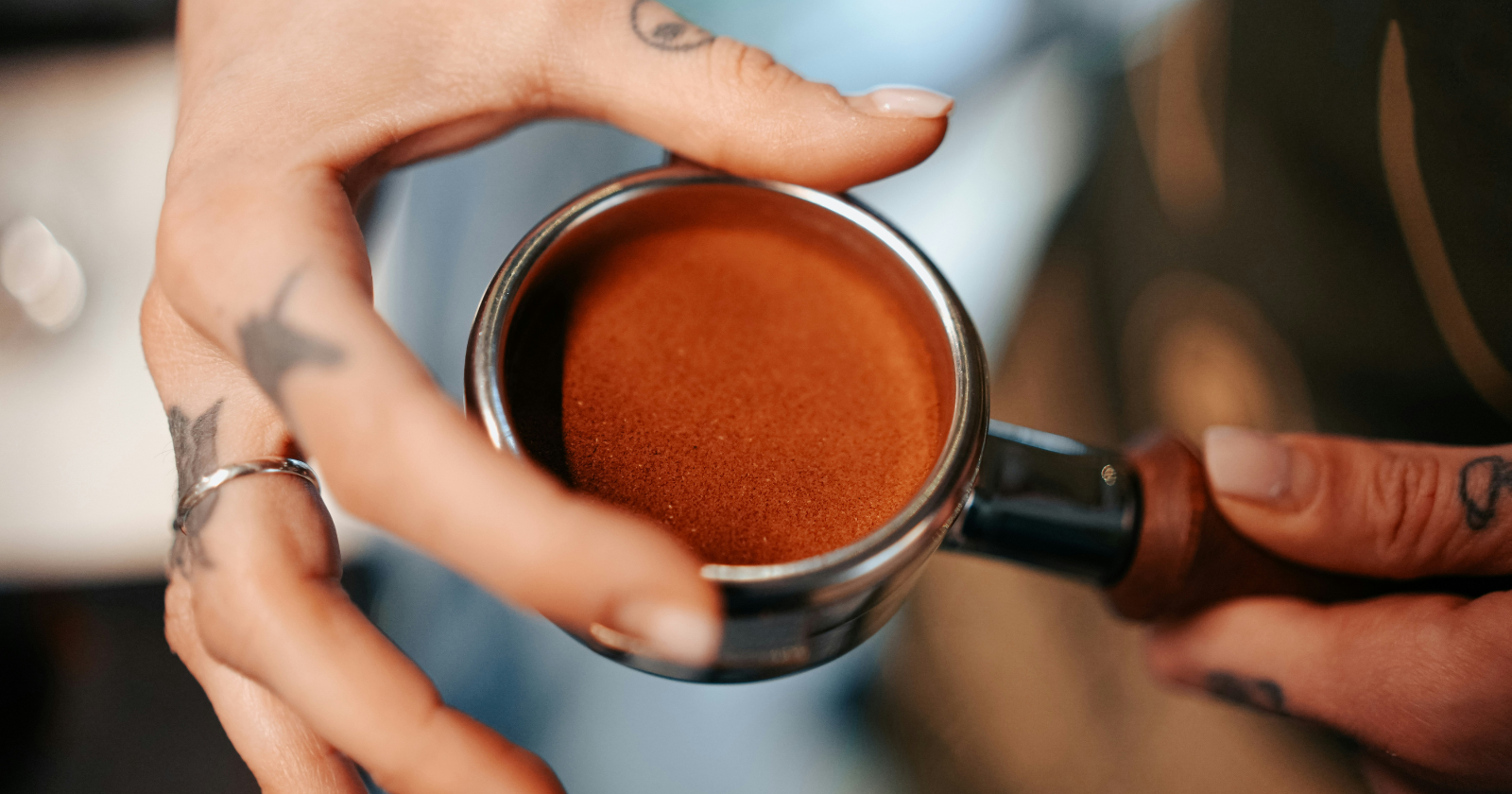
"Last week, I was making my morning coffee-you know, the complicated order I'm too embarrassed to say out loud at coffee shops-when I noticed the pile of used grounds in my filter. For years, I'd been tossing these straight into the trash without a second thought. But then I remembered something my grandmother wrote in one of her letters years ago: "The garden teaches us that nothing is truly waste.""
"Coffee grounds contain about 2% nitrogen by volume, making them an excellent slow-release fertilizer. They also contain smaller amounts of phosphorus and potassium-the other two nutrients plants crave most. But here's what really caught my attention: they improve soil structure, helping sandy soil retain water and clay soil drain better. The acidity factor is interesting too. Fresh grounds are slightly acidic, which plants like azaleas, rhododendrons, and blueberries absolutely love. As the grounds decompose, they become more neutral, making them suitable for most garden plants."
"Here's where many people go wrong-they dump fresh coffee grounds directly onto their plants in thick layers. This can actually create a barrier that prevents water from reaching the roots. Instead, I've learned to mix the grounds into the soil or compost them first. For direct application, I sprinkle a thin layer (no more than half an inch) around plants and gently wo"
Used coffee grounds contain about 2% nitrogen by volume and smaller amounts of phosphorus and potassium, providing slow-release nutrients for plants. The grounds improve soil structure by helping sandy soils retain water and aiding drainage in clay soils. Fresh grounds are slightly acidic, benefiting acid-loving plants like azaleas, rhododendrons, and blueberries, and they neutralize as they decompose, becoming suitable for most plants. Thick layers of fresh grounds can form a water-repellent barrier. Grounds are best mixed into soil or composted first, or applied as a thin layer (no more than half an inch) around plants to avoid impairing water penetration. Experiments showed noticeable improvement in potted herbs within weeks.
Read at Silicon Canals
Unable to calculate read time
Collection
[
|
...
]