"Seafood is mostly comprised of water and protein; the latter responds to heat quickly. Shrimp, for example, are mostly lean muscle. They contain very little fat and almost no connective tissue that would need to be broken down with a low-and-slow application of heat. A shrimp's transformation from raw to edible happens very quickly, and once it does, there's nowhere else for it to go but tough."
"A potato, on the other hand, is mostly starch, and it needs time for heat to soften its cell walls and allow its starches to gelatinize into that ideal, creamy interior. The main idea is that the mechanism of cooking is doing something different to each ingredient."
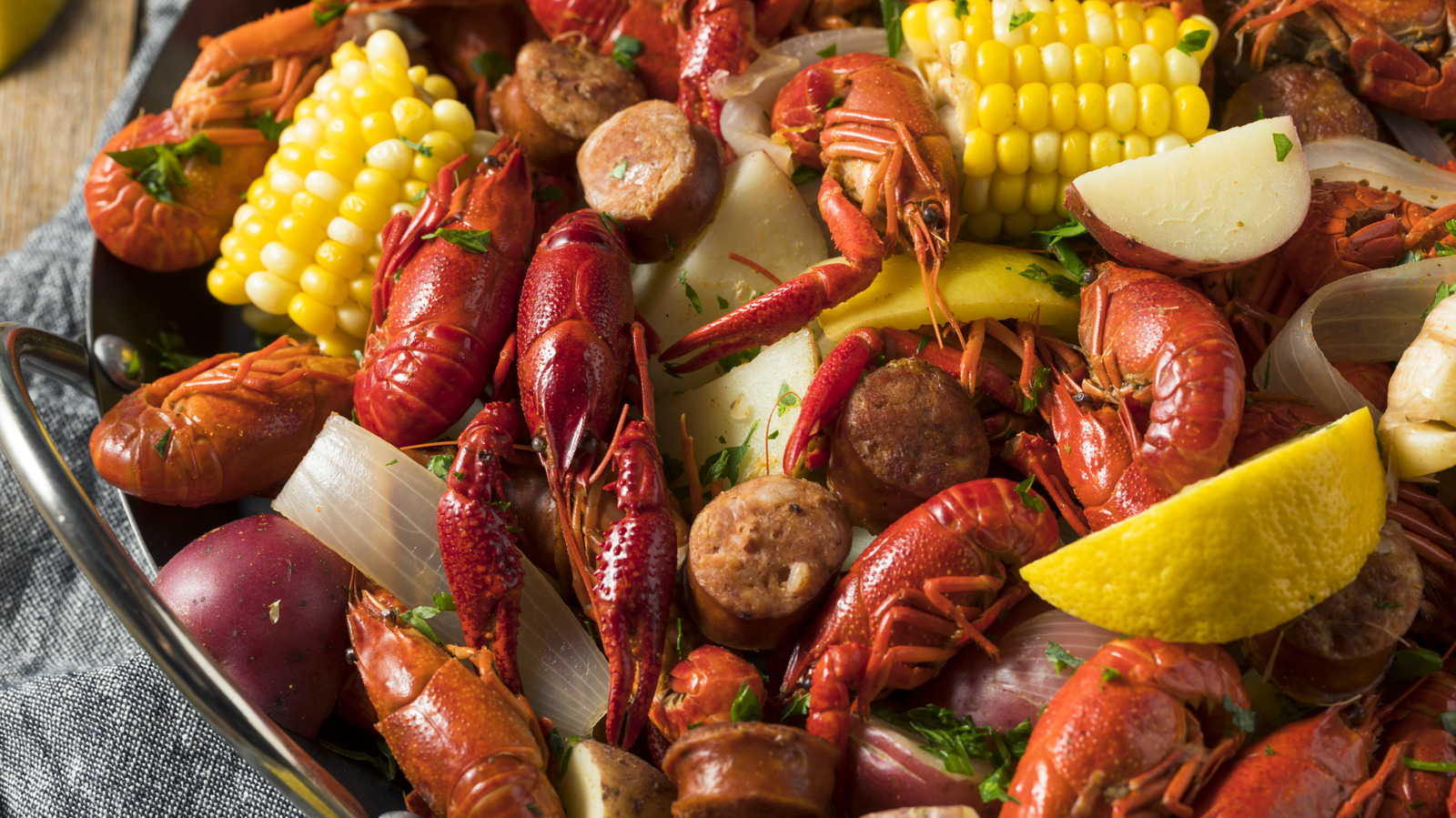
"A perfectly cooked seafood boil is actually as delicate an art as any other recipe that's made from strategically layering flavors. The goal of a seafood boil is tender, snapping, sweet, buttery proteins. You want them to be cooked through, but only just, because when seafood is overexposed, its delicate flavor gets boiled away along with the texture."
A successful seafood boil requires strategic timing rather than adding all ingredients simultaneously. Seafood proteins like shrimp cook rapidly due to their high water and protein content with minimal fat and connective tissue, making them prone to overcooking and toughness. Vegetables like potatoes contain starches that need extended heat exposure to soften cell walls and achieve creamy interiors. Each ingredient responds differently to heat, so proper sequencing is essential. Potatoes should cook first until fork-tender, followed by corn, then seafood added last to prevent overcooking and preserve tender, sweet, buttery textures.
#seafood-boil-technique #cooking-timing-and-sequencing #protein-and-starch-cooking-differences #culinary-precision
Read at Tasting Table
Unable to calculate read time
Collection
[
|
...
]