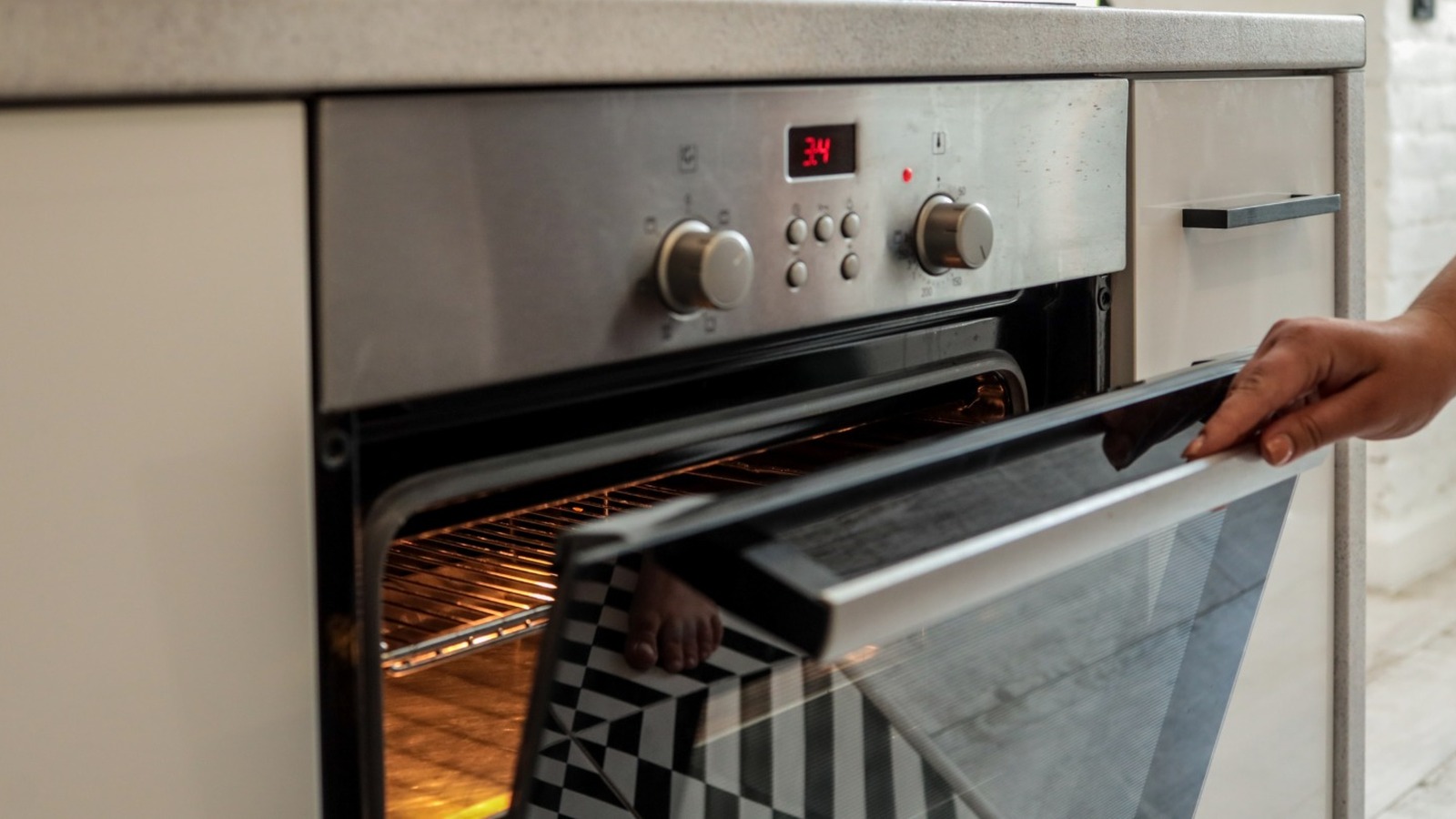
"If you don't often bake sweet treats or whip up tasty casserole recipes, you may not have a clue if your cooking dishes are truly oven-safe or not. As some unfortunate cooks can tell you, this is one kitchen safety concern to never gloss over, as some dish materials can melt, shatter, or even start a fire when used in the oven. Some of the top culprits include plastic, untempered glass, and items with sneaky flammable parts like wooden handles."
"This not only smells nasty and creates a stubborn mess, but it can also start a fire inside the appliance. Even if a plastic item survives its time in the oven, heating up the material can leach chemicals and microplastics into your food. As it's a type of plastic, Styrofoam can also be dangerous in the oven, so don't try to reheat your takeout lunch before moving it to an oven-safe dish."
Only use dishes labeled oven-safe because many common materials can fail under high heat. Most plastics and Styrofoam will melt, create stubborn messes, emit odors, risk fires, and can leach chemicals and microplastics into food. CPET is a heat-tolerant plastic rarely manufactured for home use. Silicone bakeware can be oven-safe when specified and used within its temperature range. Not all glass is oven-safe; specially treated glass such as tempered or borosilicate can tolerate high temperatures and rapid thermal changes. Items with wooden or other flammable parts can ignite; always check product information before oven use.
Read at Tasting Table
Unable to calculate read time
Collection
[
|
...
]