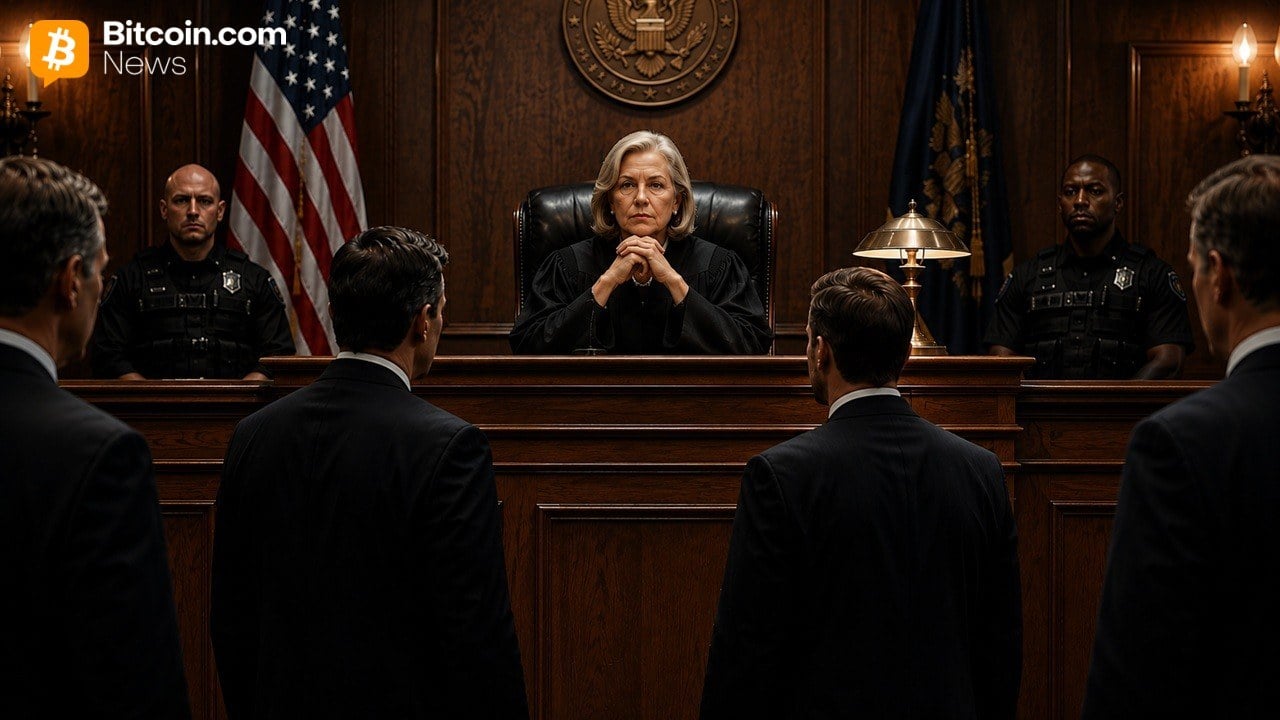
"Judge Margaret Garnett issued an order on May 9 modifying a prior asset freeze, permitting the Arbitrum Security Council to transfer approximately 30,765 ETH, valued at roughly $71 million, to an Aave LLC-controlled wallet address. The ruling also shields participants in the onchain governance vote that authorized the transfer from legal liability under the prior restraining notice, removing the last major hurdle in a recovery process that began in April."
"The crisis traces back to April 18, when attackers exploited a vulnerability in KelpDAO's cross-chain bridge, using unbacked rsETH tokens as collateral on Aave V3 markets to borrow an estimated $230 million in ETH from the protocol. The Arbitrum Security Council froze the 30,765 ETH that remained locked in the bridge immediately after the exploit as a protective measure."
"A major legal complication arrived when attorney Charles Gerstein, representing families holding approximately $877 million in unpaid terrorism judgments against North Korea, moved to block the ETH transfer. Gerstein argued the frozen funds were eligible for seizure because the April exploit has been widely attributed to the Lazarus Group, a North Korean state-backed hacking collective."
"Judge Garnett's ruling resolves that standoff as her order modifies the rest of the..."
Judge Margaret Garnett modified a prior asset freeze on May 9, 2026, allowing the Arbitrum Security Council to transfer about 30,765 ETH, worth roughly $71 million, to an Aave LLC-controlled wallet. The order also shields participants in the onchain governance vote that authorized the transfer from legal liability under the prior restraining notice. The recovery effort began after an April 18 KelpDAO exploit that used unbacked rsETH collateral to borrow an estimated $230 million in ETH on Aave V3 markets. The remaining 30,765 ETH locked in the bridge was frozen immediately after the exploit. A legal motion argued the funds could be seized due to alleged Lazarus Group involvement, but the ruling removed the final major hurdle.
Read at news.bitcoin.com
Unable to calculate read time
Collection
[
|
...
]