"Le Corbusier's Unité d'Habitation imagined a "vertical neighborhood," a building able to integrate housing, commerce, leisure, and collective spaces within a single structural organism. Around the same time, Jane Jacobs argued that diversity of use is what produces safety, identity, and social life at the street level. Later, Rem Koolhaas, in Delirious New York, described the skyscraper as an early experiment in "vertical urbanism," capable of stacking incompatible programs under one roof."
"Despite these visions of multiplicity, much of the 20th century shifted decisively toward functional separation, in a process shaped, paradoxically, by modernist planning heavily influenced by Le Corbusier's own ideas about zoning and programmatic order. Real-estate speculation and the growing dependence on automobiles reinforced this logic, encouraging cities to cluster similar activities together: offices in the core, housing at the periphery, commerce in designated corridors."
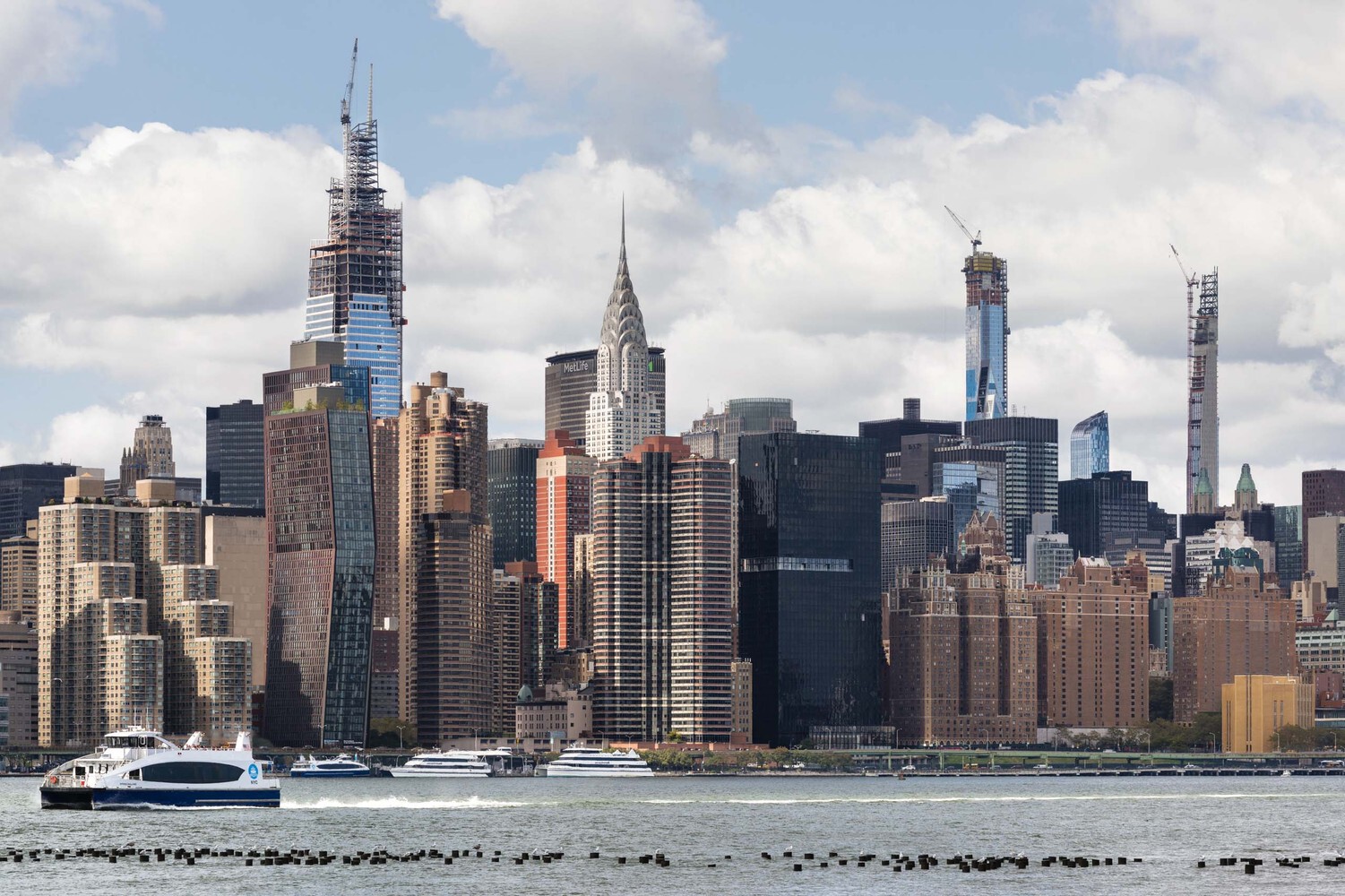
"By the 1970s and 1980s, global cities had consolidated this model into their central business districts (CBDs), producing landscapes of glass towers optimized for efficiency, repetition, and corporate identity. Their technical systems, floorplates, fire codes, and vertical circulation strategies were calibrated to a single rhythm, the predictable movement of large numbers of workers at fixed hours. Buildings that could have absorbed multiple forms of life were instead shaped into single-use infrastructures, dependent on commuter flows and rigid occupancy patterns."
Early modernist visions imagined a vertical neighborhood that integrated housing, commerce, leisure, and collective spaces within a single structural organism. Urbanist thought linked diversity of use to safety, identity, and social life at street level. The skyscraper was framed as an experiment in vertical urbanism, capable of stacking incompatible programs, and in some East Asian cities this matured into hybrid buildings combining transit, retail, offices, hotels, and housing. Over the 20th century, planning, zoning, market speculation, and automobile dependence pushed toward functional separation and concentrated offices in CBDs. Those towers were optimized for commuter rhythms and predictable work hours. The COVID-19 pandemic dismantled that certainty and remote and hybrid work began to challenge commuter-dependent office models.
Read at ArchDaily
Unable to calculate read time
Collection
[
|
...
]