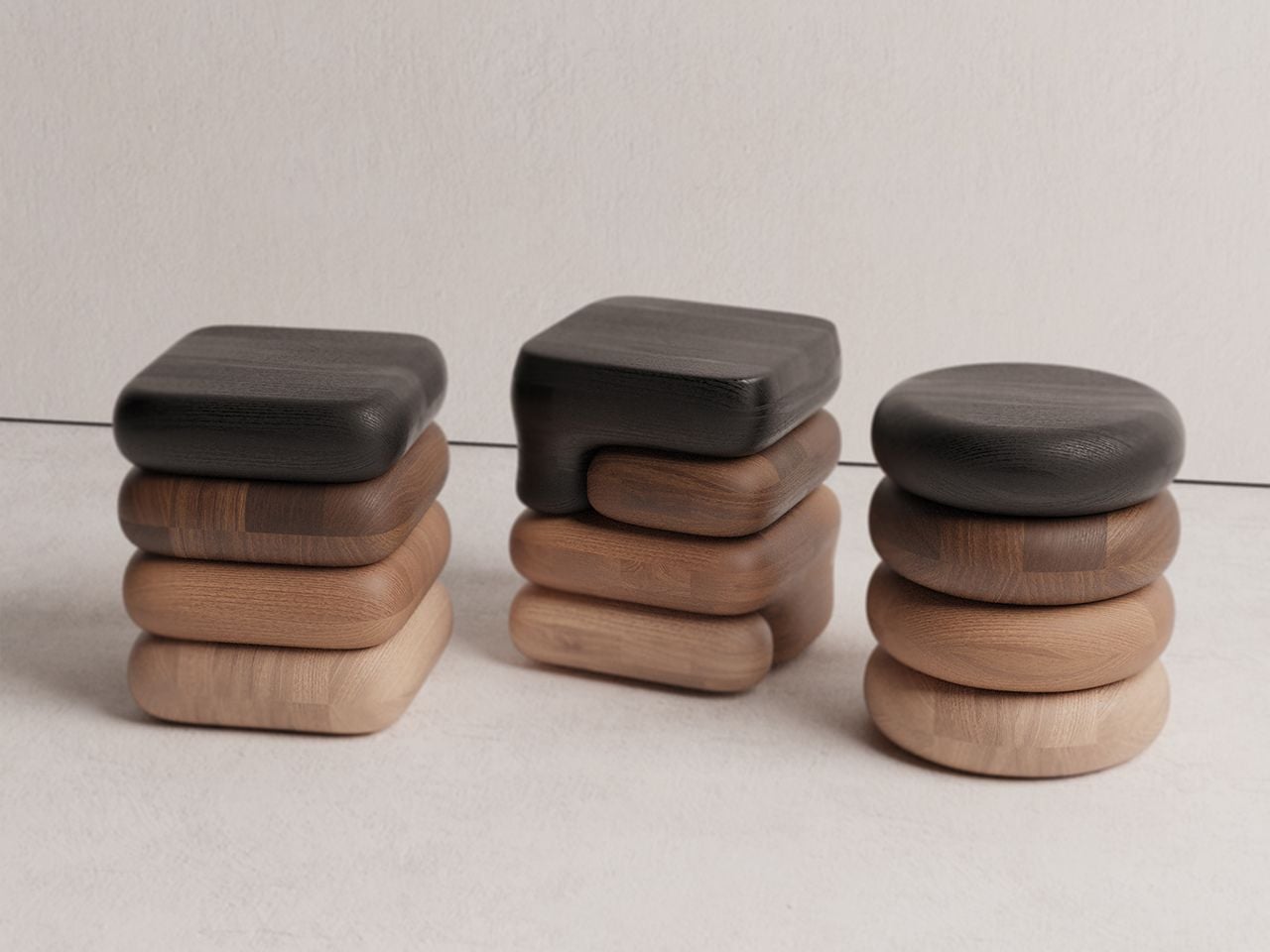
"The Color Gradient Table is a piece that understands something very simple, but often overlooked: wood already has color. It does not need to be overly treated, disguised, or forced into becoming something else. Instead, this design begins by paying attention to the natural tones already present in different wood species, arranging them into a subtle but intentional color scale. The result is a table that feels both designed and discovered, as if the material itself guided the form."
"The idea is built around a gradual transition of woods, moving from beech to chestnut, European oak, and finally black-stained chestnut. The shift is quiet, but it gives the piece a strong visual rhythm. It moves from pale warmth to deeper, richer tones without feeling decorative or forced. The color is coming from the wood itself, which makes the gradient feel honest and grounded."
"There is something incredibly satisfying about the way the different sections sit together. Each part has its own character, yet the full piece feels completely resolved. The joins and transitions create a sense of order that feels calm, precise, and almost meditative. It has that rare quality where the more you look, the more you notice: the change in tone, the grain, the weight of the form, the way one wood leads into the next."
"Because of its size and weight, this is not a table meant to be moved around casually. It is designed to occupy a special place in the house. Once placed, it becomes part of the room's identity. It feels grounded, almost architectural, like an object that was meant to live in one exact spot and quietly hold the space around it. The soft edges make a big difference. They prevent the table from feeling too heavy or severe, even though it clearly has mass."
The table uses the natural color already present in wood instead of disguising or forcing it into another material. Different wood species are arranged in a gradual transition from beech to chestnut, then European oak, and finally black-stained chestnut. The shift in tone creates quiet visual rhythm, moving from pale warmth to deeper, richer colors without feeling decorative or forced. The gradient comes directly from the wood, making the result feel honest and grounded. Sections fit together with calm, precise joins and transitions that encourage close viewing of grain, tone, and form. Its size and weight make it a fixed architectural presence in a room, while soft edges reduce severity and emphasize refined mass.
Read at Yanko Design - Modern Industrial Design News
Unable to calculate read time
Collection
[
|
...
]