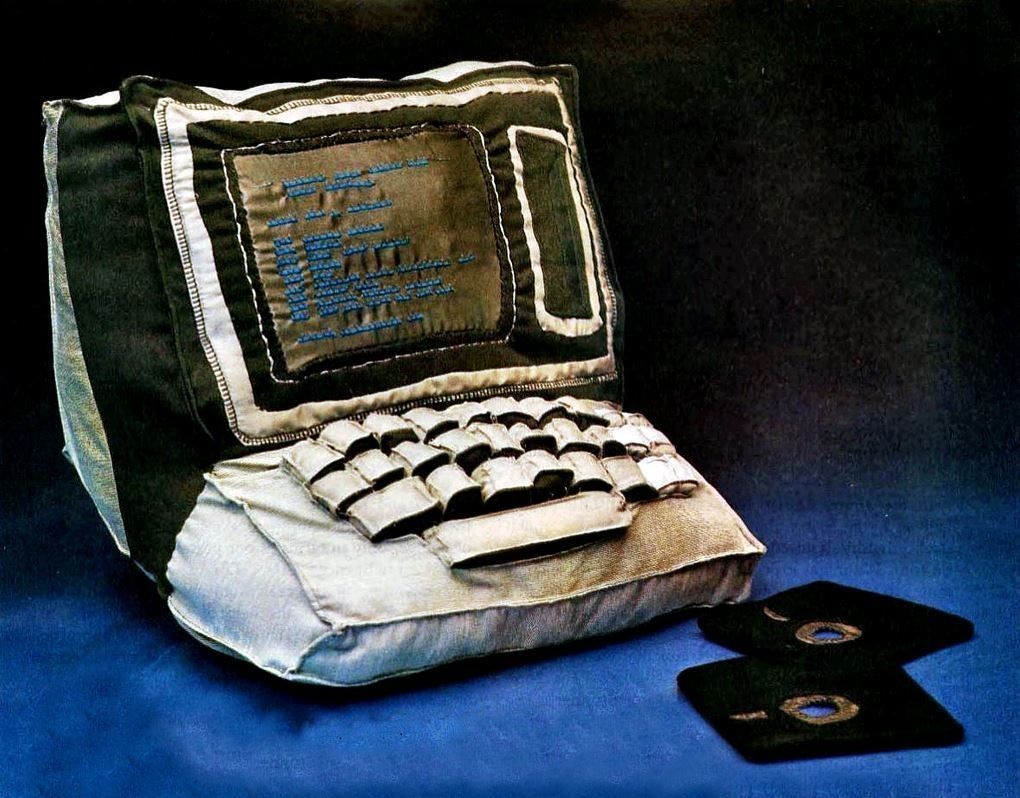
Internet access was once anchored in the home through a family computer placed in a shared living-room corner. The computer arrived with weight and furniture-like permanence, sometimes bundled with digital encyclopedias that suggested the world could fit on a disc. As internet connectivity expanded, parents often saw it as a faster, more complete extension of existing tools, while younger users experienced it as an opening to a more vivid world. Access was regulated through negotiated schedules, with specific shifts and a sense of anticipation. Online activity depended on availability, requiring entry and exit rather than continuous presence. The computer’s specialized design reinforced this structured, compartmentalized way of using it.
"It didn't just have a place; it had a time. There were moments of access, moments of waiting, moments when it simply wasn't available. You went in and came out. The furniture itself reinforced that logic. It wasn't an ordinary desk but a fairly specific design: a compartment for the CPU, another for the monitor, a sliding tray for the keyboard, slots for discs, shelves for papers, manuals, and pencils."
Read at mudmap magazine
Unable to calculate read time
Collection
[
|
...
]