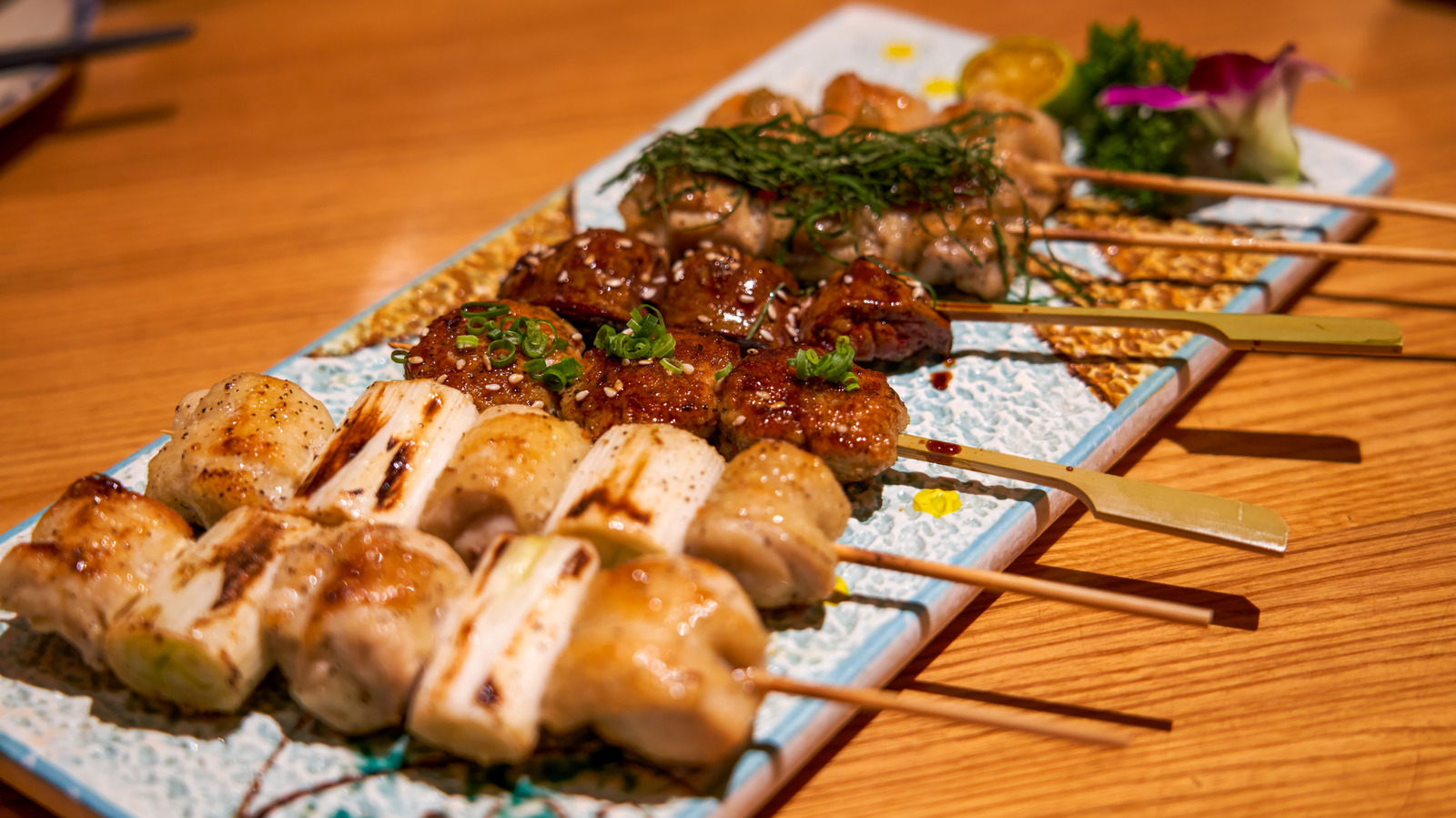
"It lasted over nearly 1200 years: from 675 AD, when Emperor Tenmu banned the consumption of cattle, horses, dogs, monkeys, and chickens, to 1872, when Emperor Meiji ended the ban by eating beef in public."
"The origins of the ban are mostly linked to religion. Both Buddhism and Shintoism, widely practiced in Japan, forbade killing or harming animals. Buddhists, in particular, believed that humans could be reincarnated as animals, which added to the taboo around eating meat."
"People found ways to circumvent the ban. Some ate game meats like deer and wild boar, which they called mountain whales. Warrior clans in the 15th and 16th centuries ate pork for sustenance, with their strength attributed to their diet of "walking vegetables.""
"If you look past the meat-centric dishes in Japanese cuisine, you start seeing how much flavor they extract from plant-based foods. From mushrooms and seasonal vegetables to fermented soybeans, from tofu and edamame to miso and seaweed, Japanese vegetarian food has a deep and distinct flavor profile."
Meat-eating in Japan was prohibited from 675 AD until 1872, when Emperor Meiji ended the ban by eating beef in public. The ban was linked to religion, with Buddhism and Shintoism discouraging killing or harming animals, and Buddhist beliefs associating reincarnation with animals. Japan’s geography also mattered, since farmland was limited on a mountainous island while fishing was abundant. People still found ways to eat animal products by consuming game meats such as deer and wild boar, and warrior clans ate pork for strength. Over time, Japanese cuisine developed strong traditions using vegetables and fish, including shojin ryori, a Buddhist plant-based cooking style using local and seasonal ingredients and fermented foods like miso and soybeans.
Read at Tasting Table
Unable to calculate read time
Collection
[
|
...
]