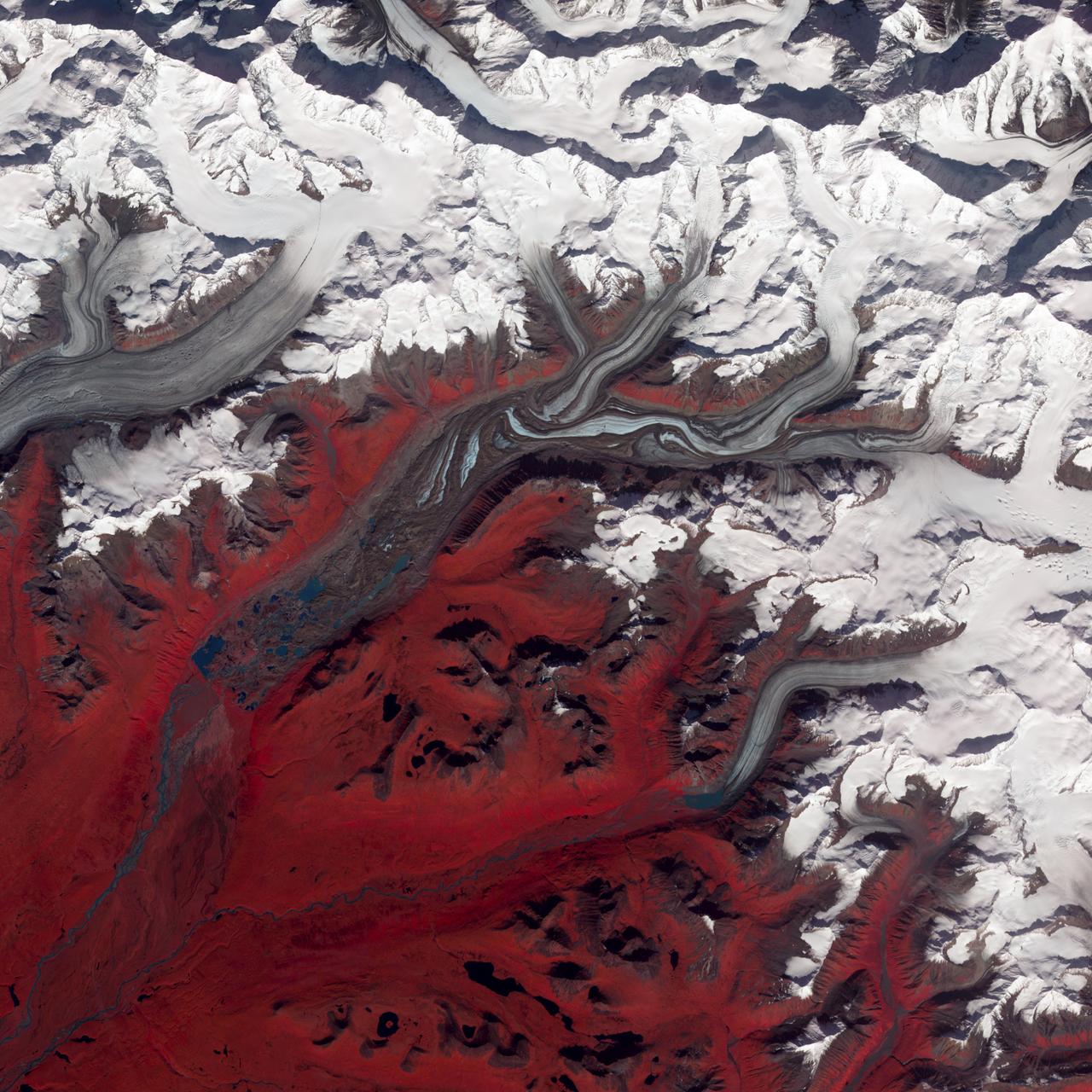
"GlaMBIE has entered the research scene during a critical time: continued funding for crucial glacier monitoring technologies is uncertain, and the magnitude of global glacier decline in the 21st century has been historically unprecedented-reinforcing glaciers as clear indicators of ongoing anthropogenic climate change. Glacier monitoring is essential for tracking glacier mass changes over time, and GlaMBIE's assessment is important to ensuring the continuity of this data, especially when many glacier monitoring technologies are expected to be suspended or decommissioned due to U.S funding cuts."
"The results of GlaMBIE's first stage highlight the need to secure the future of glacier monitoring technology. The urgency of the project stems from the varied impacts of melting glaciers. They contribute to global sea level rise and also impact local and regional water resources, high mountain ecosystems and habitats, and the frequency and intensity of natural hazards. Monitoring glaciers and their decline is crucial to understanding these impacts and creating solutions at the local, regional and global levels."
"The Glacier Mass Balance Intercomparison Exercise, or GlaMBIE-a European Space Agency project launched in 2022-aims to strengthen global glacier monitoring by combining field observations with satellite-based data from remote sensing technologies. By bringing together researchers and institutions from the scientific community, the project seeks to identify gaps in the global monitoring record and future challenges to the field."
GlaMBIE is a European Space Agency project launched in 2022 to strengthen global glacier monitoring by combining field observations with satellite remote sensing. The first-stage findings published in Nature report that since 2000 glaciers lost about five percent of their mass globally, with some regions losing up to 39 percent. The project coordinates researchers and institutions to identify gaps in the monitoring record and future challenges. Ongoing funding for key glacier monitoring technologies is uncertain, with many systems facing suspension or decommissioning due to U.S. funding cuts. Continuous glacier monitoring is essential for tracking mass balance and understanding downstream impacts.
Read at State of the Planet
Unable to calculate read time
Collection
[
|
...
]