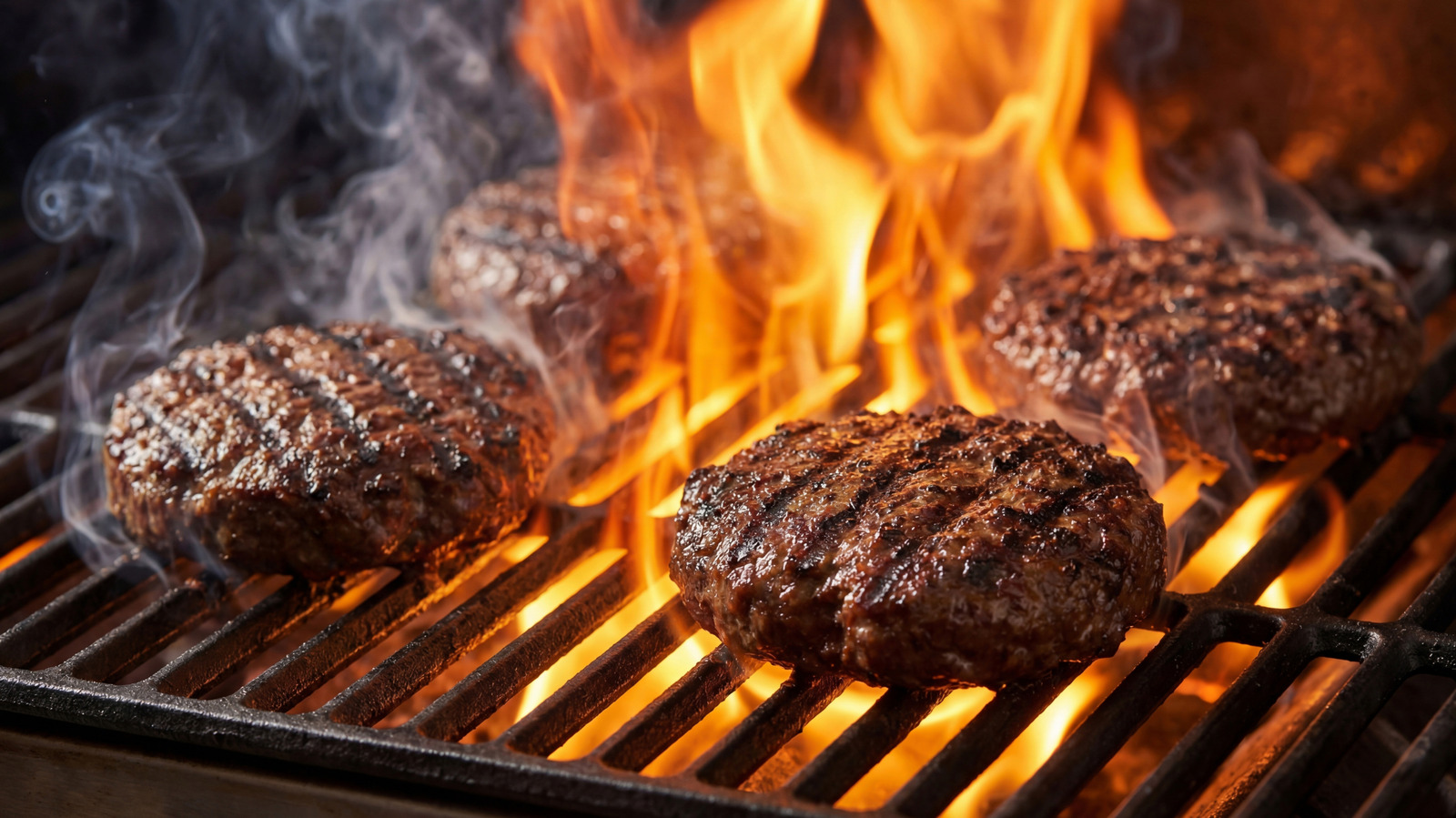
"“One of the biggest mistakes is treating a wood fire like a gas grill,” Rivera reveals. Gas grills are popular for providing consistent heating and easy controls - you can set them to a temperature, and they'll stay there. A wood fire may add more flavor, but it takes significantly more effort to keep steady. Otherwise, your grill will heat unevenly. “Fire is always changing,” the chef points out."
"Chef Rivera cautions home cooks to avoid grilling over strong flames, instead noting that it's better to coax your meat over embers. “Knowing and managing your heat zones is key to success,” he adds. The pro chef offers more intel on how to create and use heat zones for more consistent grilling, plus other wood fire mistakes to be aware of."
"From thick steaks and thin fish filets to delicate veggies, different foods need different grill times and temperatures to avoid overcooking. This is why it pays to use a two-zone grilling method by building a hot fire on one area while leaving the other side with little to no flame, creating gentler, indirect heat. Rivera shares that you can (an"
Charcoal, wood, and gas can all produce good grilled food, but wood grilling demands more attention to heat control. Gas grills provide consistent temperatures and easy settings, while wood fires change constantly and can create uneven heat. Uneven heat can leave some areas raw while others burn, tightening and drying proteins before interiors cook, and charring vegetables without tenderizing them. To avoid scorching, grilling should avoid strong flames and instead cook over embers. Success depends on managing heat zones using a two-zone setup: a hot side for searing and a cooler side with little or no flame for gentler, indirect heat. Different foods also require different grill times and temperatures to prevent overcooking.
Read at Tasting Table
Unable to calculate read time
Collection
[
|
...
]