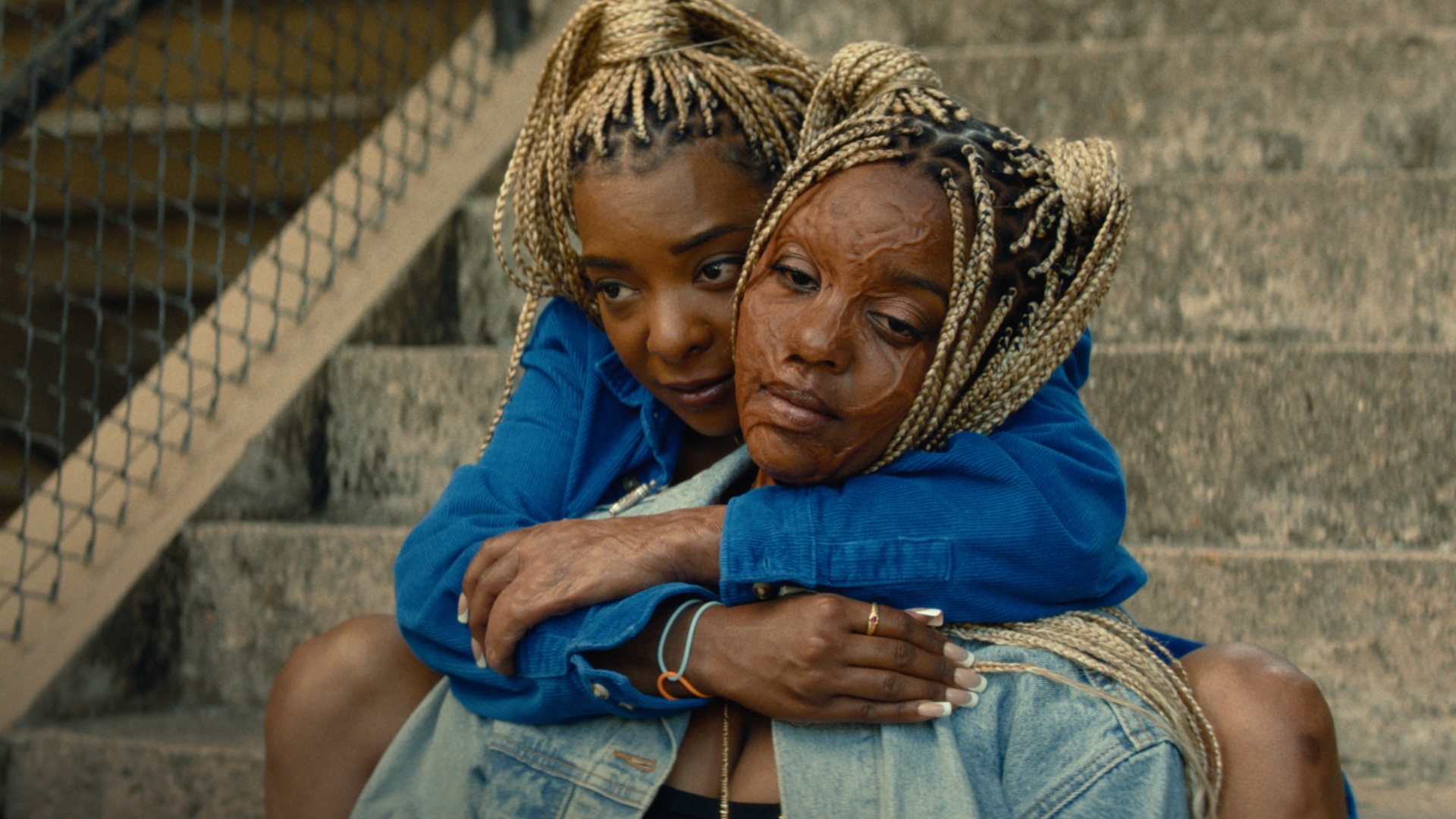
"In this film, which is based on Harris' award-winning play, God is a Black woman, a Black mother. She's damaged but also profound. In one scene, multiple Black women braid Ruby the God's hair as she lies on her deathbed. The clinking sound of their long nails felt comforting to me, but this pairing of Black matriarchy and holiness may be controversial for some viewers, especially those not used to seeing Black women exalted in this way onscreen."
"While the film engages with the divine status of Black women, it is stylistically reminiscent of Quentin Tarantino's revenge thriller Kill Bill, and even Denis Villeneuve's Dune series, where beauty and emotion mix with the grotesque, bizarre and unsightly. In another scene, the Monster's mistress Divine the Healer (Erika Alexander) shows Racine and Anaia an elaborate altar dedicated to him, proving that no matter how much harm this man inflicts, he's still loved and lusted after."
"What makes the film interesting is its interrogation of patriarchal violence against Black women. At a time when we're seeing increased coverage of Black femicide, Is God Is makes space for the unfiltered rage and pain that some Black women carry. In an early scene when Racine and Anaia visit their mother, the hair-braiders in the room pull back the covers to reveal the horror of Ruby the God's scars on her legs, which still burn with smoke. We see the two sisters' faces consumed with emotion, spurring their need to act."
"What does it mean to be a Black woman with sadness, grief and rage in this current time? As we read more headlines about Black women murdered by their partners, where does our rage go? Is it allowed to be used in our defense? Are we allowed to act in our own self-defense? Or are we supposed to just keep it inside,"
Twins Anaia and Racine seek revenge on their abusive father in a story rooted in the idea of being born of violence. God is portrayed as a Black woman and Black mother, damaged yet profound, with scenes of Black matriarchy and holiness. Black women braid Ruby the God’s hair as she lies on her deathbed, while other moments reveal scars and burning injuries that drive the sisters’ emotional resolve. The film blends beauty and emotion with grotesque, bizarre imagery reminiscent of revenge thrillers. It also shows how the abuser is still loved and lusted after, and it interrogates patriarchal violence amid rising coverage of Black femicide.
Read at Kqed
Unable to calculate read time
Collection
[
|
...
]