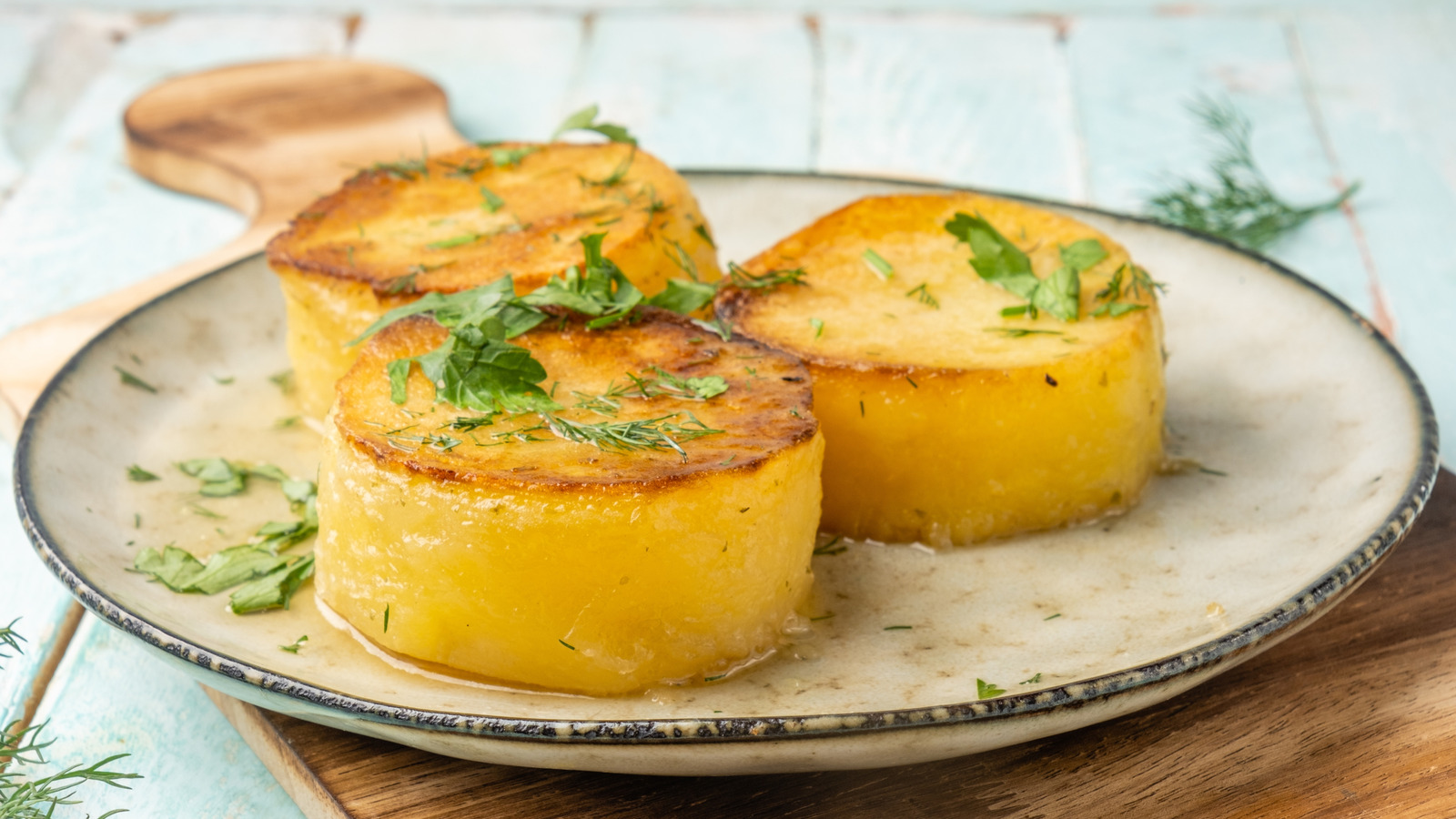
"When the weather begins to cool down, the case for slow-roasting vegetables becomes even clearer. There's no better way to warm up than with a dish of nutrient-rich vegetables that you've taken care to thoughtfully season and cook until tender. A newer trend in slow-roasting called "melting" has recently emerged, beginning with fondant potatoes and reaching across to a variety of root, cruciferous, and other sturdy vegetables that can withstand the process."
"Preparing melting vegetables begins with roasting your choice of veggies at a high heat to initiate the process of caramelization. Next, you'll add a broth, sauce, or other complementary liquid with seasonings before returning your vegetables to the oven, allowing the liquid to reduce and absorb into the vegetables. It's worth noting that this style of cooking is preferable for firmer types of vegetables, including squash, beets, cauliflower, and more;"
Melting is a slow-roasting technique that begins with high-heat roasting to trigger caramelization, followed by adding broth or sauce and returning the vegetables to the oven. The liquid reduces and absorbs into the vegetables, producing caramelized, melt-in-your-mouth textures. The method works best with firmer vegetables such as fondant potatoes, squash, beets, and cauliflower. Melting allows creative variations in liquids and seasonings and can incorporate nutrient-rich broths. The process is time-consuming but ideal for cooler nights when the oven warms the home and fills it with the scent of slow-roasted vegetables.
Read at Tasting Table
Unable to calculate read time
Collection
[
|
...
]