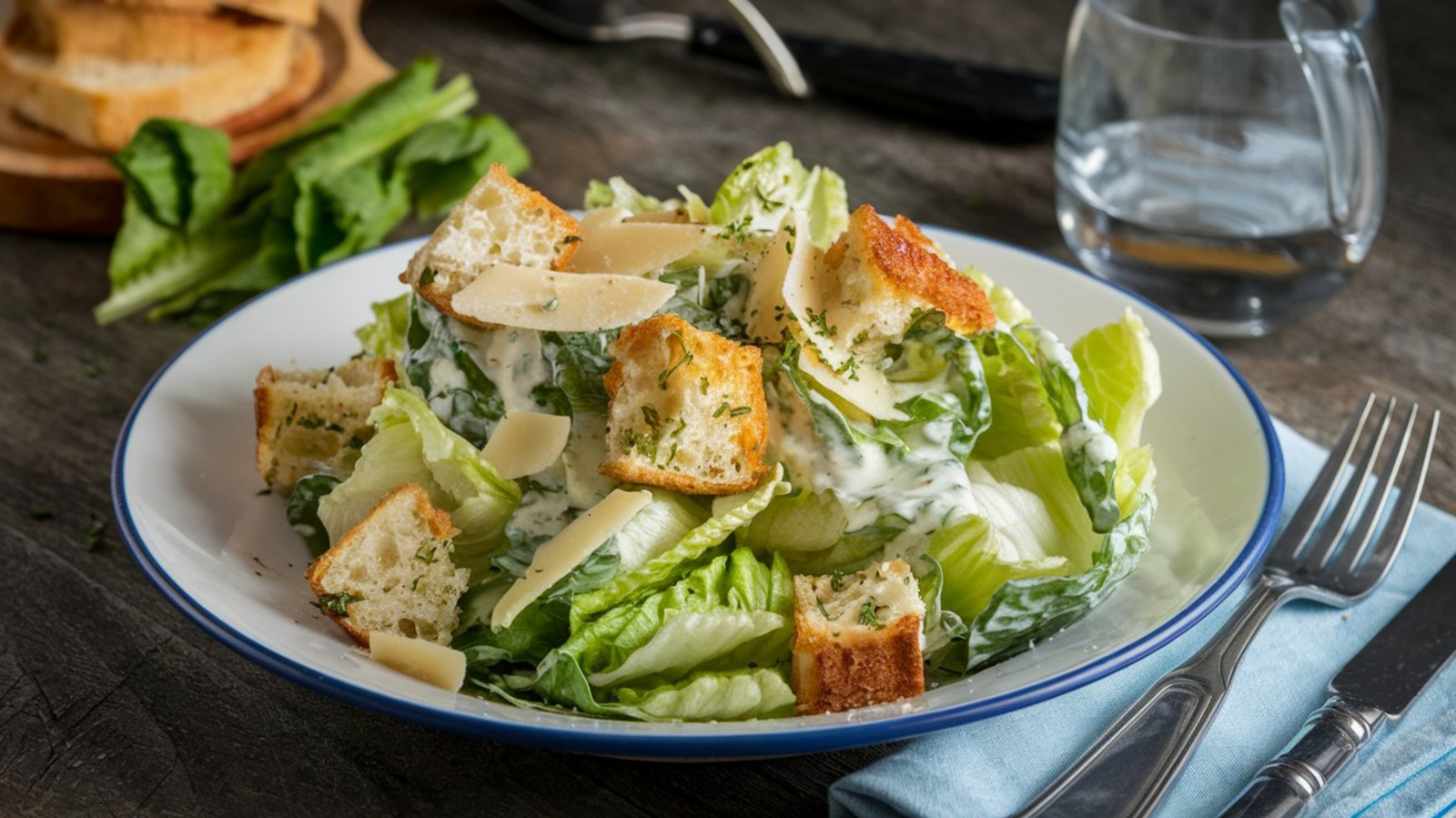
"It may look almost identical to green leaf lettuce, but escarole is part of the chicory family of more bitter-tasting leaves. A head of escarole's outer leaves are a medium green, about the same color as romaine or green leaf lettuce. Unfortunately, that makes it easy to pluck off the shelves by mistake if you're not paying close enough attention to the labels at the grocery store."
"If you're unsure what type of greens you have in your hand, gently push aside the outer layers to reveal the center of the head of mystery greens. From there, you can easily search for that telltale yellow center. If the insides are more of a pale green or whitish hue, you likely have a loose-leaf lettuce, not a bitter escarole."
"While bitter lettuces make for amazing salads, if you're expecting a mild, tender leafy green but instead bite into a bitter chicory, you might not be thrilled by the astringent surprise. Similar to how radicchio resembles red cabbage, it's easy to confuse certain items lining the produce wall of a grocery store, especially if you're distracted or in a hurry. Other bitter greens to look out for include arugula, endive, treviso, frisée, puntarelle, and mustard greens."
Escarole closely resembles green leaf lettuce but belongs to the chicory family and has a more bitter taste. Outer leaves are medium green similar to romaine, while inner leaves at the core are pale yellowish, a key identifier. To distinguish escarole from loose-leaf lettuce, gently push aside outer layers to check the center; pale green or whitish insides indicate loose-leaf lettuce. Bitter lettuces can work well in salads when paired correctly, but unexpected astringency can be unpleasant. Other bitter greens include arugula, endive, treviso, frisée, puntarelle, and mustard greens. Confusion often occurs when shoppers are distracted.
Read at Tasting Table
Unable to calculate read time
Collection
[
|
...
]