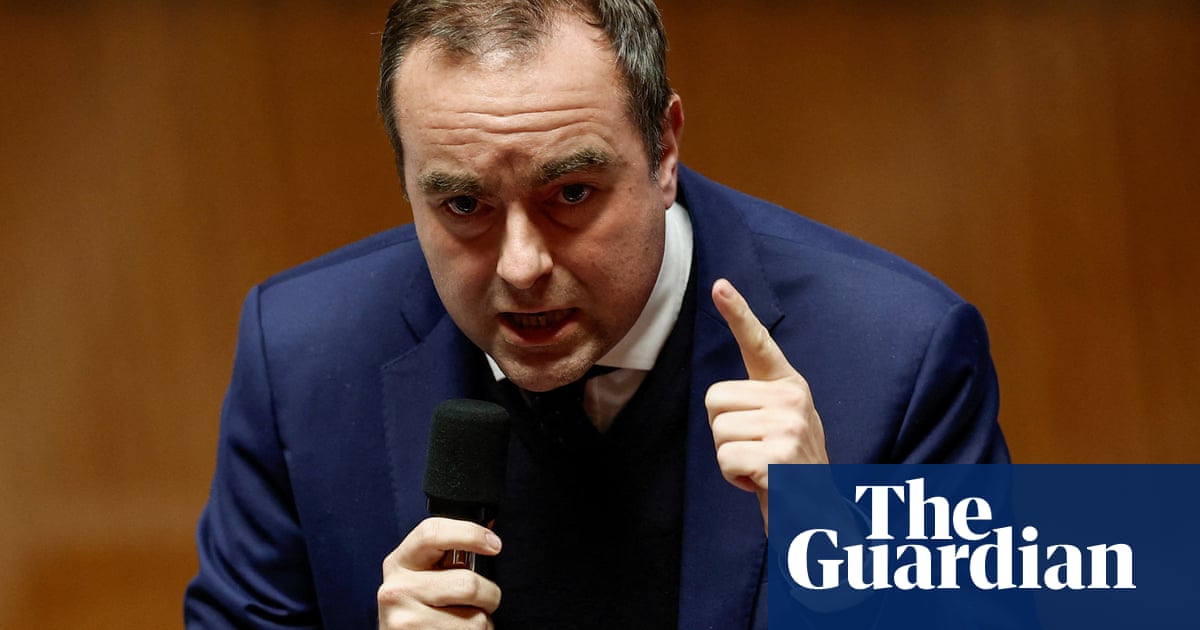
"France has finally passed a budget for this year after the minority government survived a series of no-confidence votes in a long-running political saga that has unsettled debt markets and alarmed the country's European partners. The prime minister, Sebastien Lecornu, told parliament on Monday, after months of wrangling, that French people refuse this disorder and want our institutions to function."
"Lecornu managed to push the budget through only because the Socialist party agreed not to vote against the government, in exchange for some concessions including the suspension of Macron's flagship pension changes, which had sought to gradually raise the retirement age from 62 to 64. Herve Saulignac, a Socialist MP, told parliament that his party had done its duty and avoided the worst. He said leaving France without a budget would have been to add more anguish to the anguish of the French people."
"Lecornu had called the budget a breakthrough, saying it would boost defence spending by 6.5bn. Although some lawmakers have expressed doubts, the budget aims to bring the deficit down to 5% of the gross domestic product in 2026, from 5.4% in 2025. The French executive was initially targeting 4.6%, but the scrapping of pension reforms meant such a reduction of the deficit was not possible, according to the rightwing rapporteur Philippe Juvin."
France passed its annual budget after the minority government survived successive no-confidence votes by invoking special constitutional powers to avoid a parliamentary vote. Prime Minister Sebastien Lecornu secured passage after the Socialist party agreed not to oppose the government in exchange for concessions, notably suspending Macron's planned rise in the retirement age from 62 to 64. The budget increases defence spending by 6.5bn and targets a deficit reduction to 5% of GDP in 2026, down from 5.4% in 2025. Initial plans for a 4.6% deficit were abandoned because pension reforms were scrapped. A left alliance won the most seats but lacked a majority, while the far-right National Rally recorded the most votes. Rightwing rapporteur Philippe Juvin said scrapping the pension changes made the original fiscal target unattainable.
Read at www.theguardian.com
Unable to calculate read time
Collection
[
|
...
]