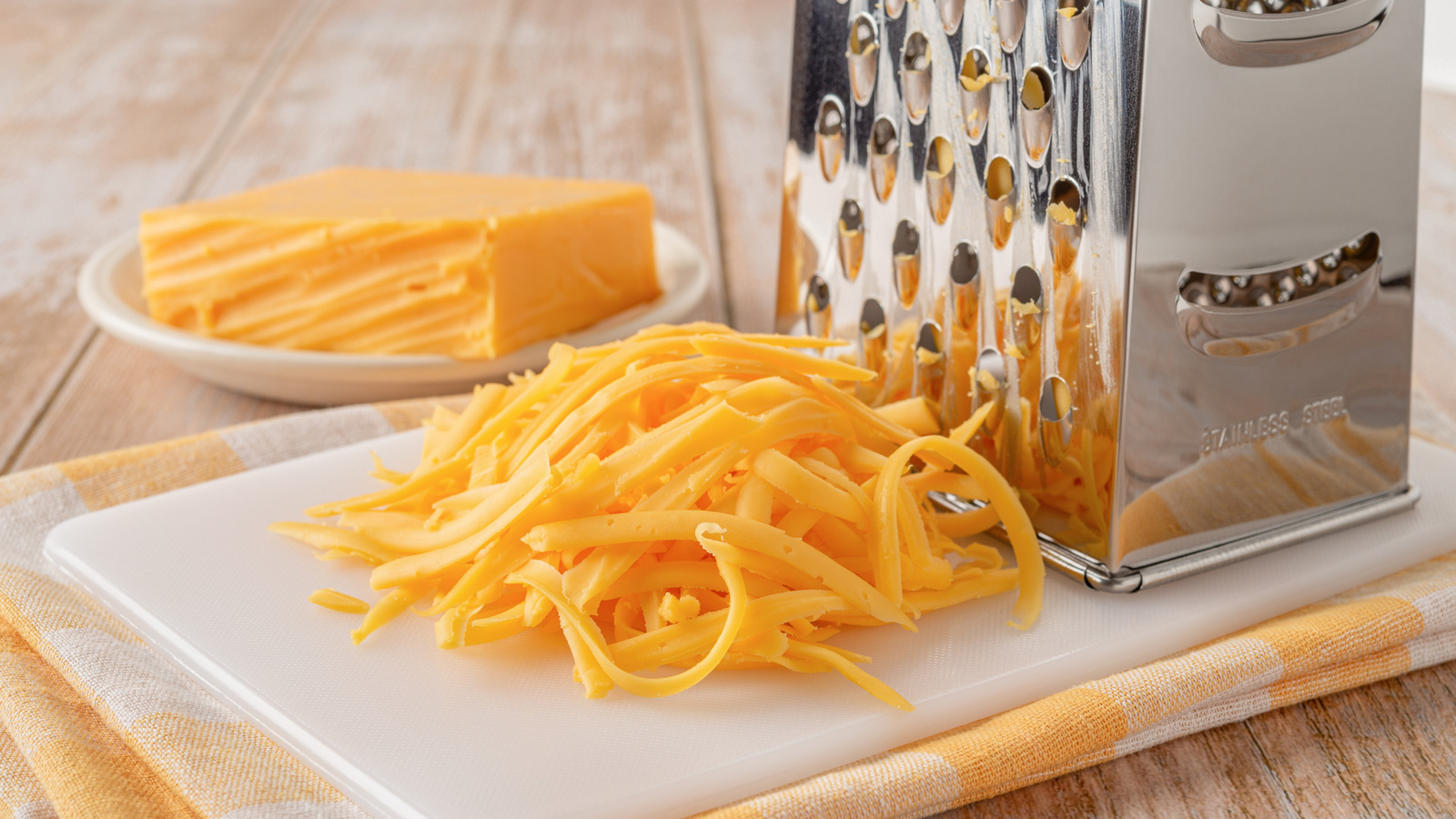
"Box graters don't come with an instruction manual, or if they do, no one has ever read it, because they stand so confidently self evident: Just apply cheese in a downward motion, repeat, and collect grated cheese pile. But having said that, the two narrow sides of the device don't generally get a lot of play, and a lot of people don't even know what they're for."
"Those wide, sharp-but-not-razor-sharp openings are essentially a built-in mandoline slicer, only steadier and less dangerous. Press a vegetable against the surface and draw it down, and the blade shaves off even slices. Potatoes will fall into neat coins perfect for gratins, zucchinis are quickly reduced to a nub. Cucumbers for quick pickles come out at a consistent thickness, perfect for curing. The control you get is satisfying, because if you apply even pressure, each pass makes a slice identical to the one before it."
Box graters have narrow sides that are often underused: one side with rough, pokey-outy holes is intended for zesting or ultra-fine shreds, and the other side with long horizontal slots is designed for slicing. The slicing side functions like a built-in mandoline that is steadier and less dangerous. Pressing a vegetable against the horizontal slots and drawing it down produces even slices ideal for gratins, ratatouille, pickles, and consistent cooking. Even slices lead to even cooking and affect texture in baking. Cold butter can be shaved into shards for easy incorporation into dough, and chocolate can be run along the blade to form delicate curls. For better ergonomics, set the grater on its side or at an angle over a cutting board.
Read at Tasting Table
Unable to calculate read time
Collection
[
|
...
]