""Based on comprehensive analysis by the German intelligence services, we have been able to clearly identify the handwriting behind it and prove Moscow's responsibility," said the spokesman. "We can now clearly attribute the cyberattack against German Air Safety in August 2024 to the hacker collective APT28, also known as Fancy Bear," he told a regular press briefing. "Our intelligence findings prove that the Russian military intelligence service GRU bears responsibility for this attack," added the spokesman."
""Second, we can now state definitively that Russia, through the Storm 1516 campaign, sought to influence and destabilise the most recent federal election," he added at a press conference. 'Pay a price' The spokesman said a GRU-supported Moscow think tank and other groups had spread artificially generated or deepfake images and other content, and that the goal was to divide society and "undermine trust in democratic institutions". The spokesman said Germany had "absolutely solid proof" that Russia was behind the operations but added that he could not go into detail because this would involve discussing the work of German intelligence services."
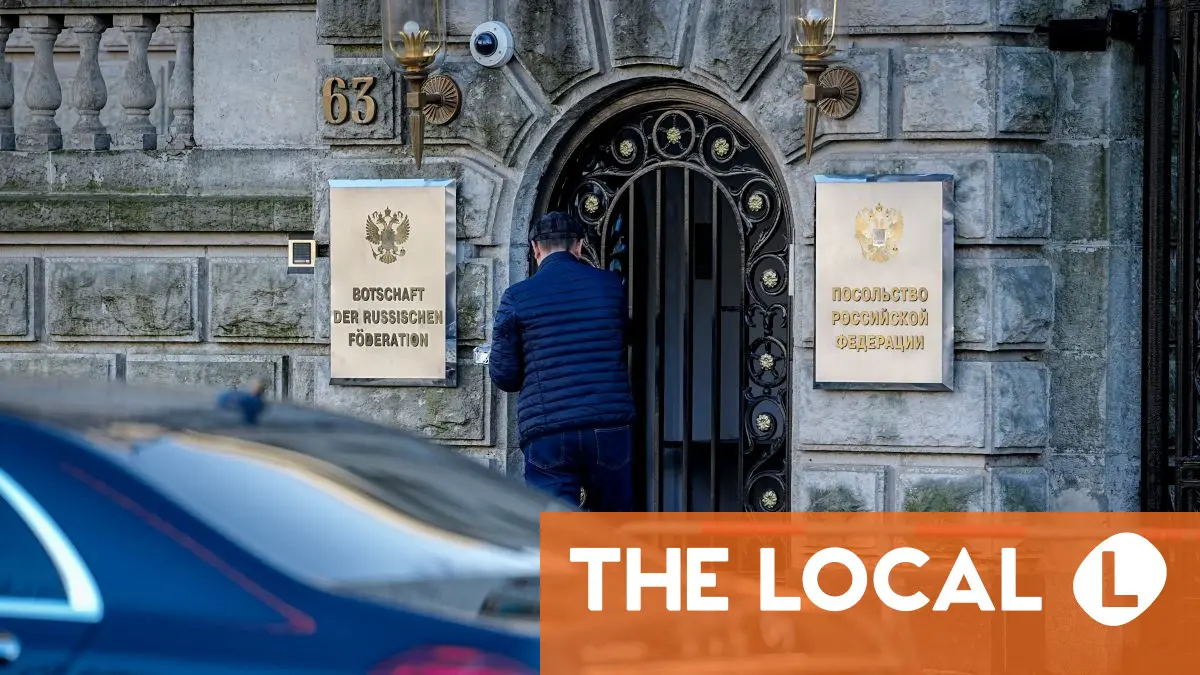
Germany accused Russia of conducting cyberattacks against its air traffic control and carrying out influence operations targeting the February federal election. German security services attributed the August 2024 cyberattack on German Air Safety to the hacker collective APT28 (Fancy Bear) and held the Russian military intelligence service GRU responsible. Germany reported that the Storm 1516 campaign used AI-generated and deepfake images spread via a GRU-supported Moscow think tank and other groups to divide society and undermine trust in democratic institutions. Germany summoned the Russian ambassador; the Russian embassy declined immediate comment.
Read at The Local Germany
Unable to calculate read time
Collection
[
|
...
]