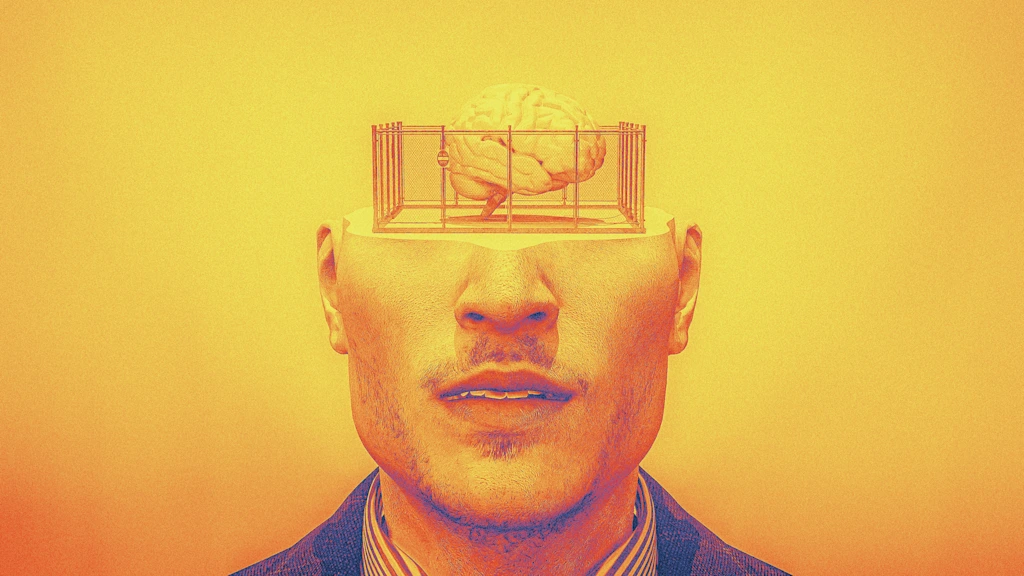
"“In about 85% of the studies we've seen,” he told me, “while adding AI to human beings improves human beings alone, most of the time it's better to just let the AI do it alone.” That data point is what Aral calls the rational fork in the road: if AI alone outperforms human-AI teams, the logical managerial move is to replace employees with automation. But that, he insists, is exactly where the logic goes wrong."
"In one landmark study, Aral's team randomized roughly 2,000 teams (some human-AI and some human-human) to create marketing ads for a real organization. The human-AI teams produced 50% more ads per worker, with higher-quality text. By conventional productivity metrics, that would be a clear win. But the ads also looked strikingly similar to one another. “Ad copy starts sounding the same. Ad images start looking the same,” Aral explained."
"He calls this “diversity collapse”, the slow homogenization of output that occurs when AI, trained on the same publicly available internet, starts flattening the edges that make creative work distinctive. The more a team"
Large-scale experiments on human-AI collaboration show that adding AI to people frequently improves human performance, yet AI alone often performs better than human-AI teams. Conventional productivity metrics can therefore push organizations toward replacing employees with automation. However, that shift can create unintended creative failures. In a study with about 2,000 teams creating marketing ads, human-AI teams produced more ads per worker and higher-quality text, but the outputs became strikingly similar. The similarity reflects diversity collapse, where AI trained on common internet data flattens distinctive creative edges. Homogenization can reduce differentiation even when output quantity and quality appear to improve.
#human-ai-collaboration #ai-deployment-strategy #creativity-and-marketing #productivity-metrics #diversity-collapse
Read at Fast Company
Unable to calculate read time
Collection
[
|
...
]