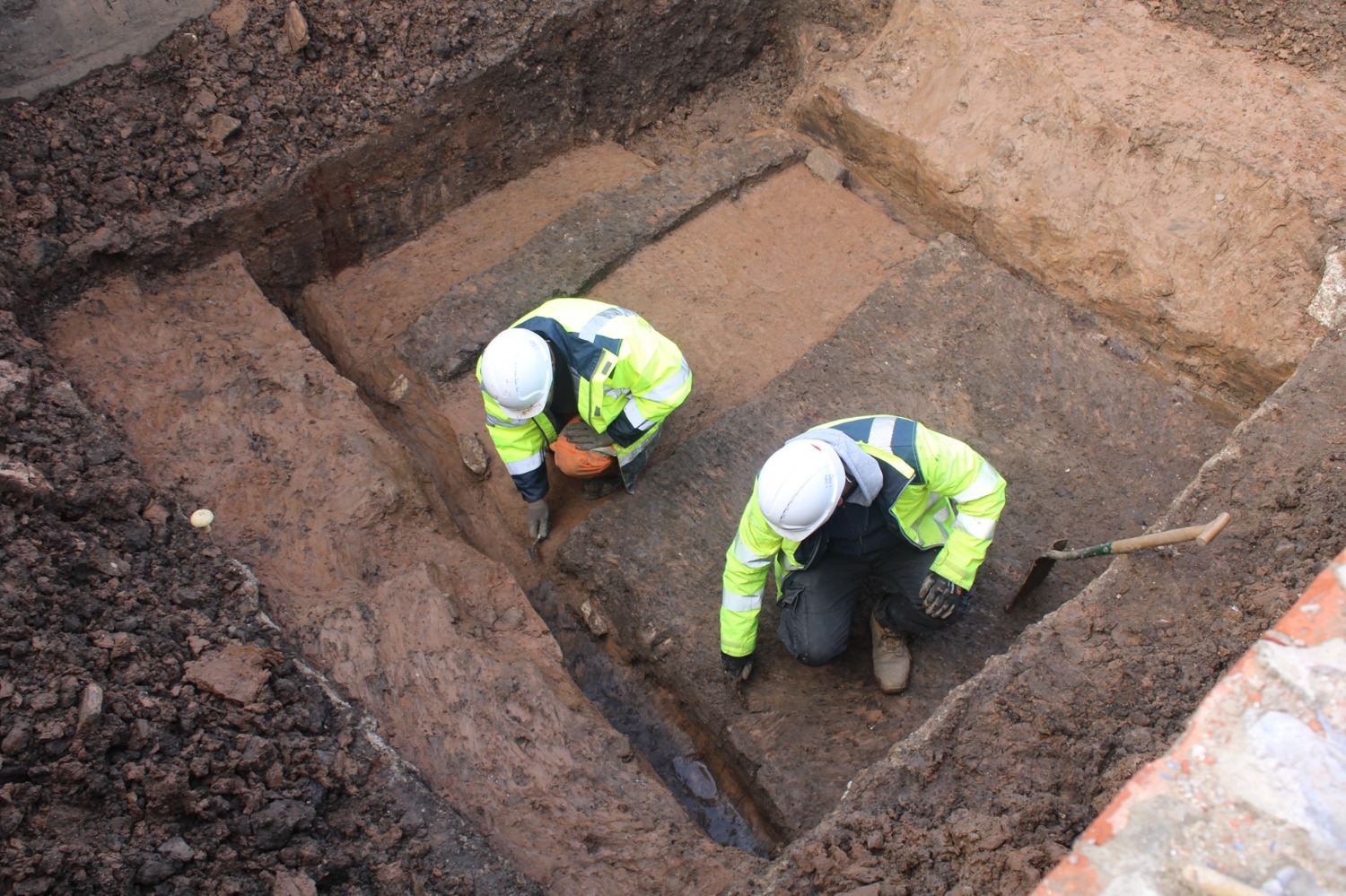
"Archaeological investigations in the English city of York have uncovered evidence of early medieval occupation alongside substantial Roman remains, shedding new light on the city's long and complex past. The discoveries were made on the site of a new hotel development. Excavations carried out ahead of construction revealed pottery fragments, animal bones, building materials, and metal objects, including coins. These artefacts suggest sustained activity on the site."
"Beneath the early medieval layers, archaeologists also identified remains from the Roman period, including evidence of a Roman road and associated buildings. Roman York, known as Eboracum, was founded in the late first century CE as a legionary fortress and later developed into an important administrative and military centre. The discovery of a Roman road is particularly notable, as it confirms the enduring influence of Roman infrastructure on the city's layout."
Excavations on a York hotel development site revealed early medieval occupation layers containing pottery, animal bones, building materials, and metal objects including coins. Anglo-Saxon and Anglo-Scandinavian material indicates sustained activity across multiple centuries rather than post-Roman abandonment. Beneath the medieval deposits, remains from the Roman period include buildings and a Roman road associated with Eboracum, the late first-century legionary fortress that later became an administrative and military centre. The Roman road confirms lasting Roman influence on York's street layout and demonstrates medieval construction directly atop Roman foundations. Recovered artefacts are undergoing detailed analysis and will be displayed at the Yorkshire Museum. Excavations were undertaken by On-Site Archaeology with Clegg Construction.
Read at Medievalists.net
Unable to calculate read time
Collection
[
|
...
]