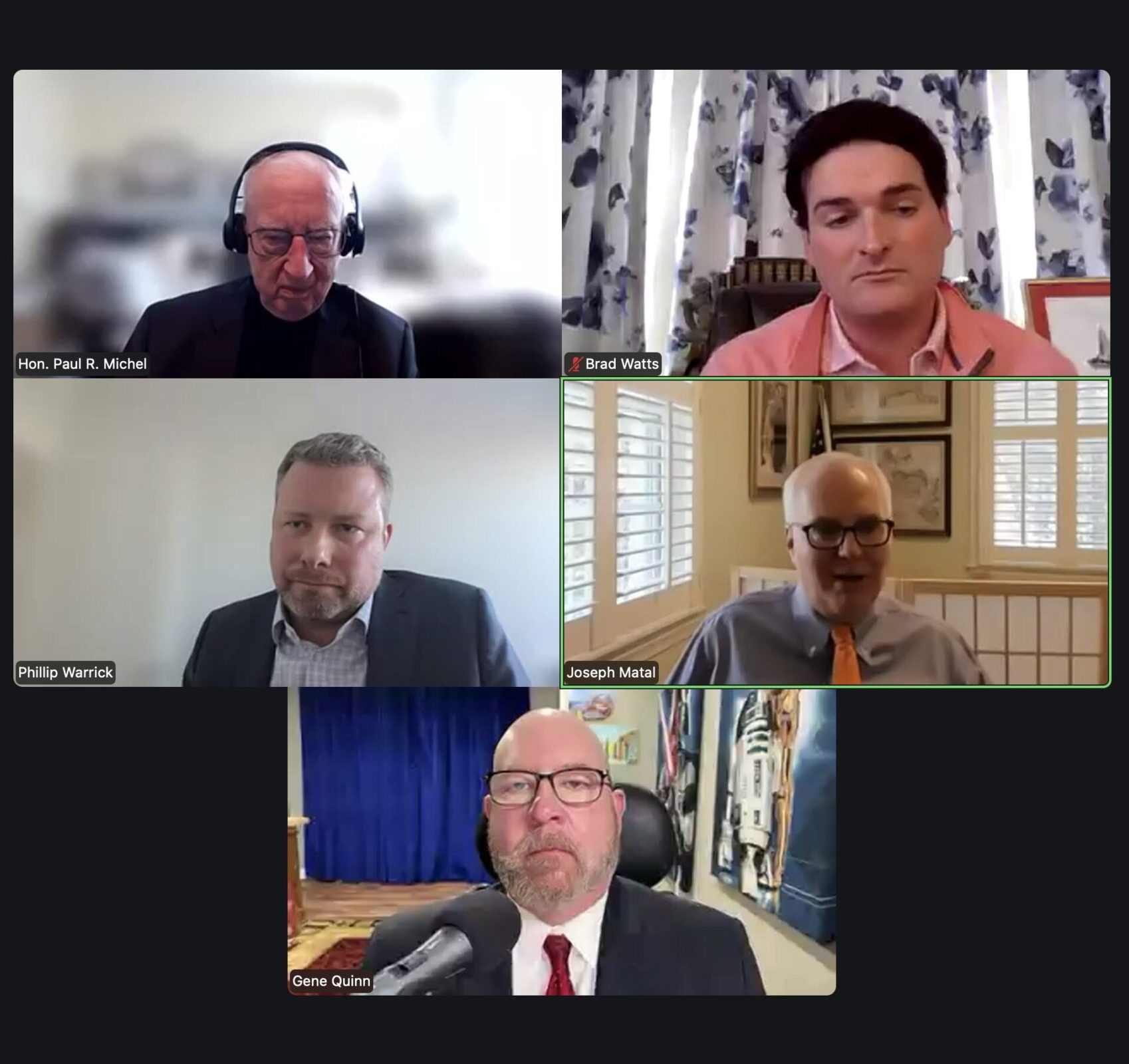
"the current paralysis with respect to patent reform bills is hardly new, with early iterations of bills to address PTAB issues, for instance, having been introduced as long ago as 2014. "There's a complete split between the people who want stronger patents and people who want weaker patents," Michel said. "The anti-patent forces are not even going to negotiate. If the dynamics change, I could see a version of PREVAIL passing but it's very hard to see how the set of dynamics could change.""
"said that if there is no patent legislation passed in the next six months "we're not likely to get it within the next five to six years." This is due to a combination of factors, including key IP champions like Tillis and others leaving or potentially being voted out of office, redistricting, and Congress being preoccupied with other issues in the run-up to"
Deep partisan division exists between advocates for stronger patents and those favoring weaker patents, producing persistent paralysis on patent reform since at least 2014. Anti-patent forces are unwilling to negotiate, reducing prospects for bipartisan compromise and making passage of PREVAIL unlikely unless political dynamics shift significantly. Failure to enact patent legislation within six months would likely delay comprehensive reform for five to six years because of loss of key IP champions, redistricting, and congressional focus on other priorities. Continued stalemate could generate intense pushback and a difficult year for USPTO leadership and PTAB oversight.
Read at IPWatchdog.com | Patents & Intellectual Property Law
Unable to calculate read time
Collection
[
|
...
]