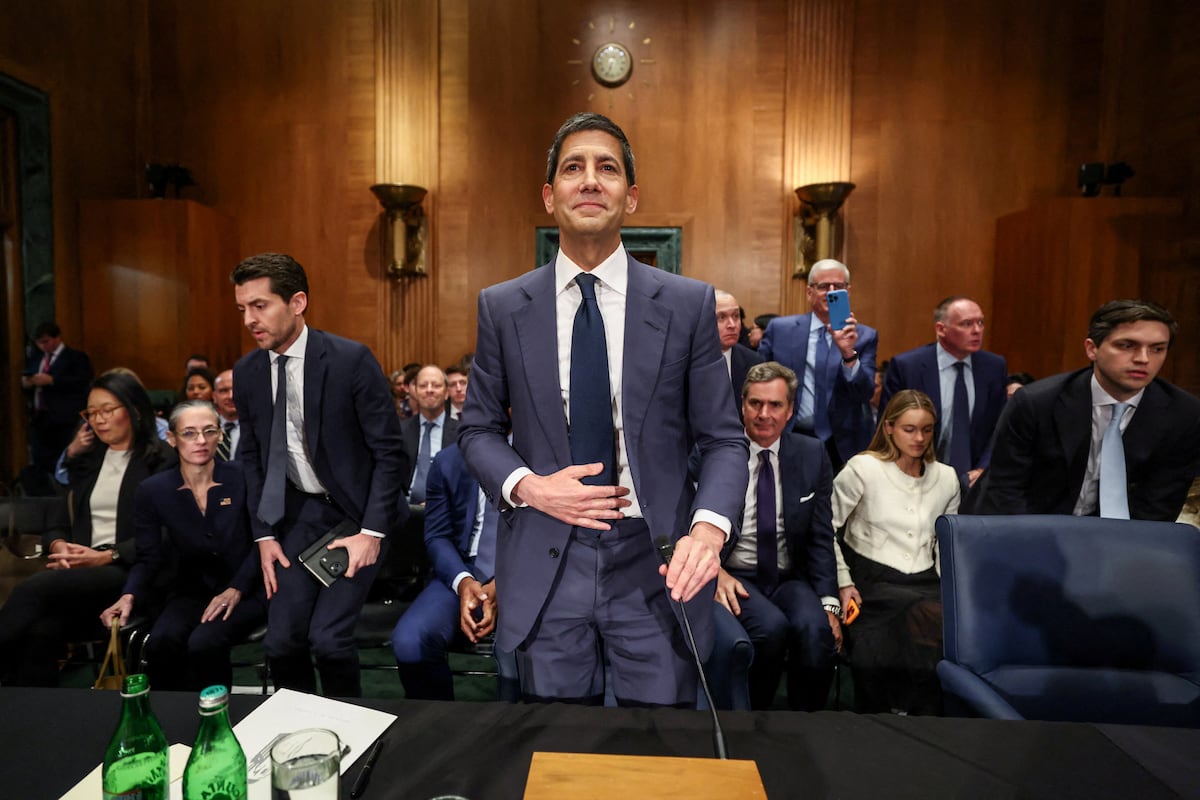
"Kevin Warsh became the new chair of the Federal Reserve on Wednesday after securing final approval from the U.S. Senate. After a complex confirmation process, the lawyer, financier, and former Fed governor (20062011) cleared the final hurdle on Capitol Hill, winning at least the 51 votes needed in what was the most partisan vote in the Fed's history. Traditionally, Federal Reserve chairs have enjoyed broad, bipartisan backing, but Warsh nominated by U.S. President Donald Trump and supported by Republicans received just a single vote from the Democrats, from Pennsylvania Senator John Fetterman."
"During the confirmation process, Warsh failed to dispel concerns about his independence from Trump. He responded evasively or jokingly to questions about the state of the economy and even avoided answering whether Trump lost the 2020 election to Joe Biden. Warsh, 56, was born in Albany, New York, and takes office at a time when the Fed's autonomy is being questioned following White House efforts to exert control over the institution."
"He succeeds Jerome Powell, whose term ends Friday, May 15, leaving behind a significant legacy. Powell will be remembered as the man who steered the U.S. economy through the COVID-19 pandemic and, above all, as the one who stood up to Trump's pressures, effectively building a firewall to defend the Fed's independence from the White House. For months, Trump pressured Powell with insults, threats, and public criticism, urging him to resign or to cut interest rates more aggressively."
"The Trump administration also opened a criminal investigation into him and attempted to remove another Federal Reserve governor, Lisa Cook, in a case still pending befo"
Kevin Warsh became chair of the Federal Reserve after final Senate approval. The confirmation process was complex and produced a highly partisan vote, with Republicans supporting his appointment and Democrats largely opposing it. Warsh did not fully address concerns about his independence from President Donald Trump during the hearing, responding evasively or jokingly to questions about the economy and avoiding whether Trump lost the 2020 election. Warsh takes office as inflationary pressures renew and as White House efforts to influence the Fed raise questions about autonomy. He succeeds Jerome Powell, whose term ends May 15, and Powell is noted for defending the Fed’s independence during sustained Trump pressure, including public criticism, threats, and legal actions.
Read at english.elpais.com
Unable to calculate read time
Collection
[
|
...
]