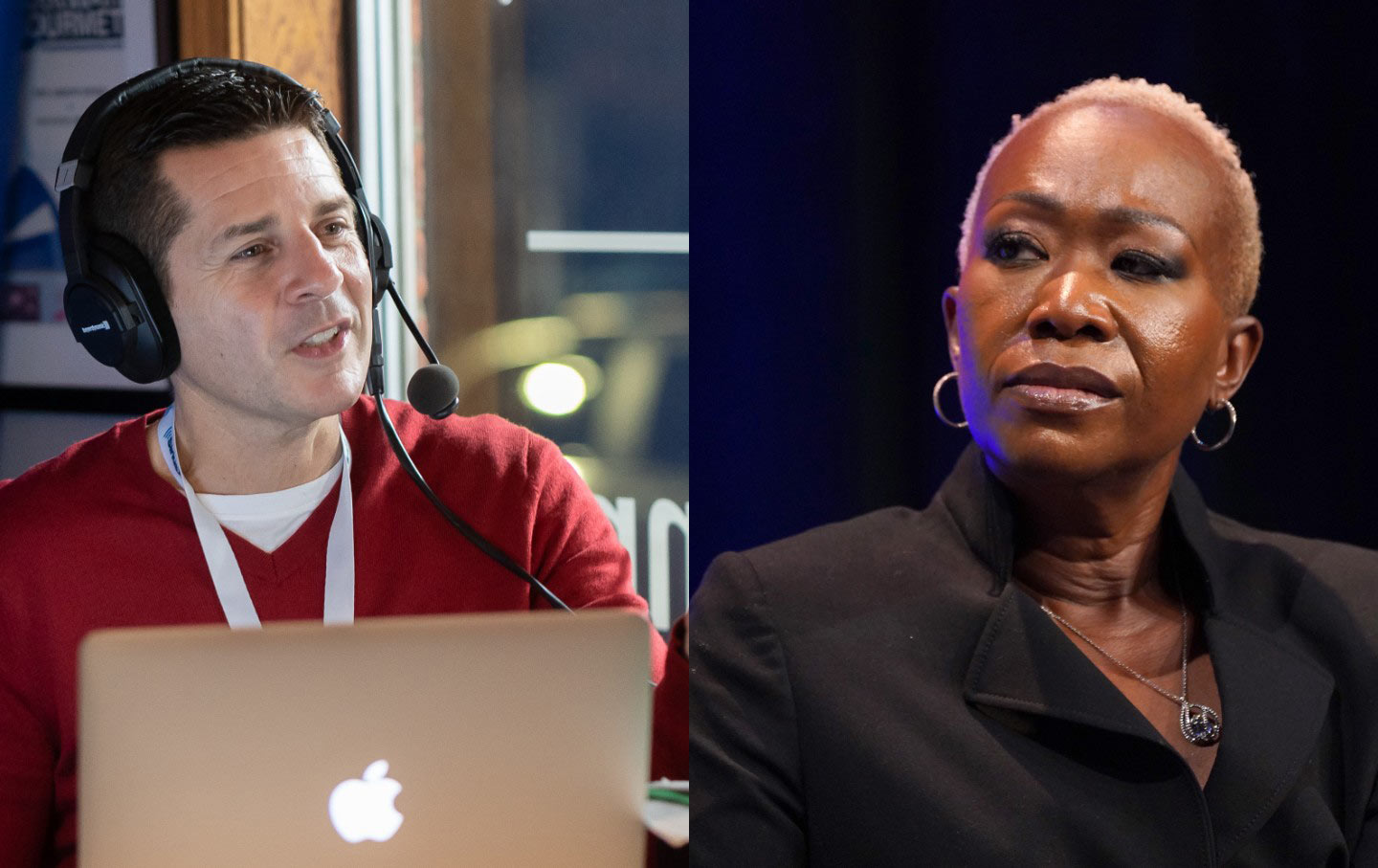
"It has to do with the ICE officer killing Renee Good. The response of this administration is unlike anything I've seen. Laura, there was not even any hint of compassion that an American had been killed. They began calling her a terrorist within hours. Something that you would expect to see maybe in a Middle East regime when they're killing protesters, calling them terrorists or foreign agitators. It was happening in America."
"They began calling her a terrorist within hours. Something that you would expect to see maybe in a Middle East regime when they're killing protesters, calling them terrorists or foreign agitators. It was happening in America. And now what's the response of the Trump administration? To send more troops. Like the Iraq War surge, now there's surging in Minnesota, because, on some level-and I've been saying this for over a year on my show-we're at war."
Mainstream media credibility is faltering after high-profile editorial decisions and internal turmoil, while social media deepens information chaos. Voters’ ability to discern truth is crucial for democratic functioning, making journalism indispensable yet fundamentally transformed. Legal battles, firings, hires, and mergers have destabilized legacy outlets, and sensational moments publicly expose institutional weaknesses. New platforms and personalities pursue different approaches to reporting and commentary. The ICE officer killing of Renee Good prompted a rapid official labeling of her as a terrorist and a militarized response, illustrating heightened polarization, government escalation, and the stakes for contemporary news coverage.
Read at The Nation
Unable to calculate read time
Collection
[
|
...
]