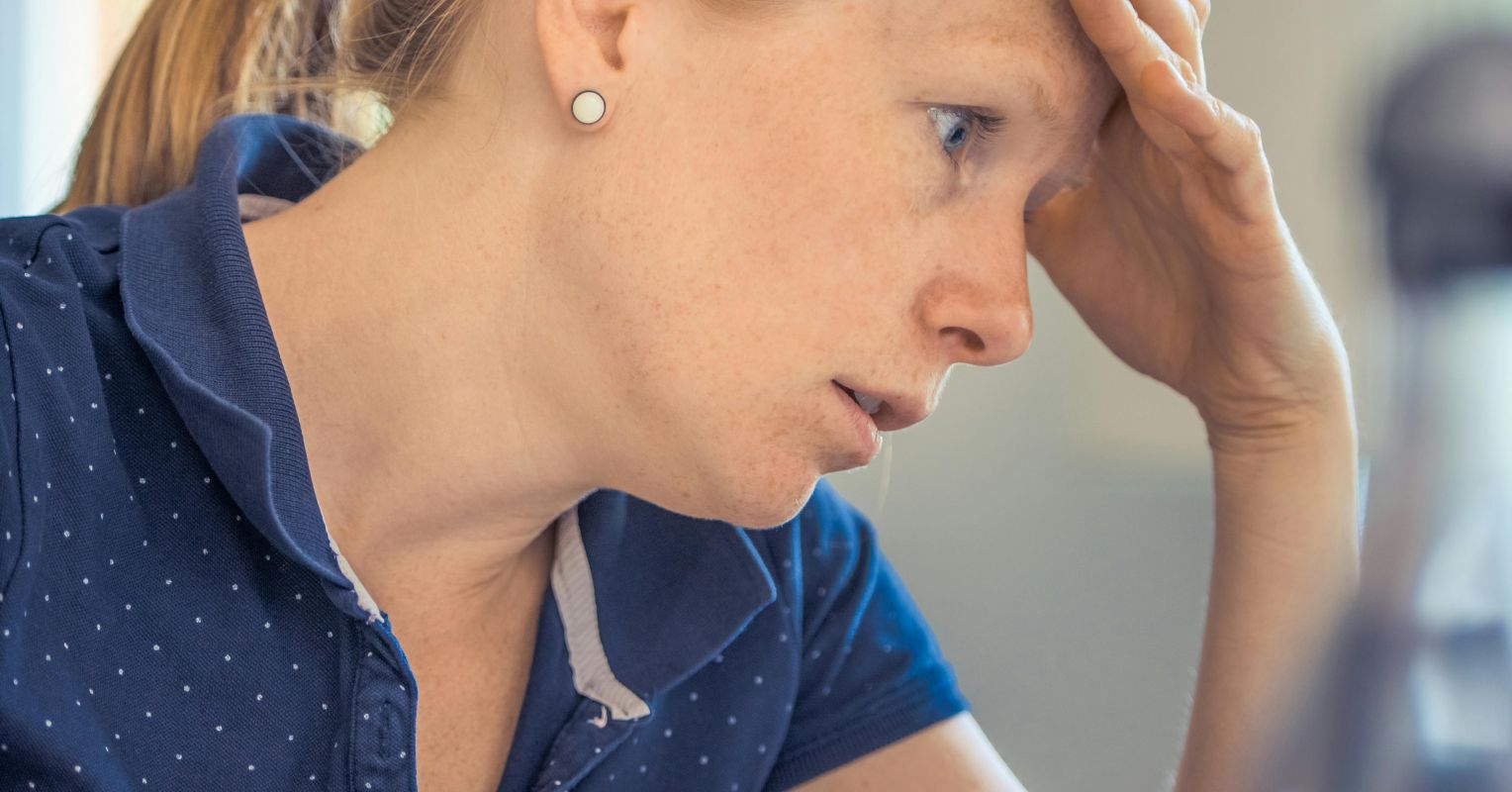
"When something bad happens, children don't necessarily need all the details-but they do need honest guidance, reassurance, and emotional containment from the adults they trust. Children Experience Fear Differently Than Adults Children process frightening events through their developmental lens: Across all ages, children are silently asking the same questions: Am I safe? Can I talk about this? Will someone help me understand what I'm feeling?"
"When adults avoid talking about scary events, children are left to make sense of what happened on their own, often filling in the gaps with exaggerated fears or self-blame for even having emotional reactions. Without clear, age-appropriate explanations, children may come to believe the world is unsafe and that their worries are too big, wrong, or burdensome to share. When feelings are hidden rather than expressed, children are less likely to seek emotional support, increasing the risk of suffering in silence"
Children are highly sensitive to changes in tone, facial expression, routines, and the emotional climate when frightening events occur. Children interpret frightening events through their developmental stage and repeatedly ask whether they are safe, whether they can talk, and whether someone will help them understand their feelings. Silence from caregivers leaves children to fill gaps with exaggerated fears or self-blame and may cause them to believe the world is unsafe. Calm, open conversations using simple, honest language and avoiding graphic details provide reassurance, emotional containment, and reduce the risk of anxiety and isolation.
Read at Psychology Today
Unable to calculate read time
Collection
[
|
...
]