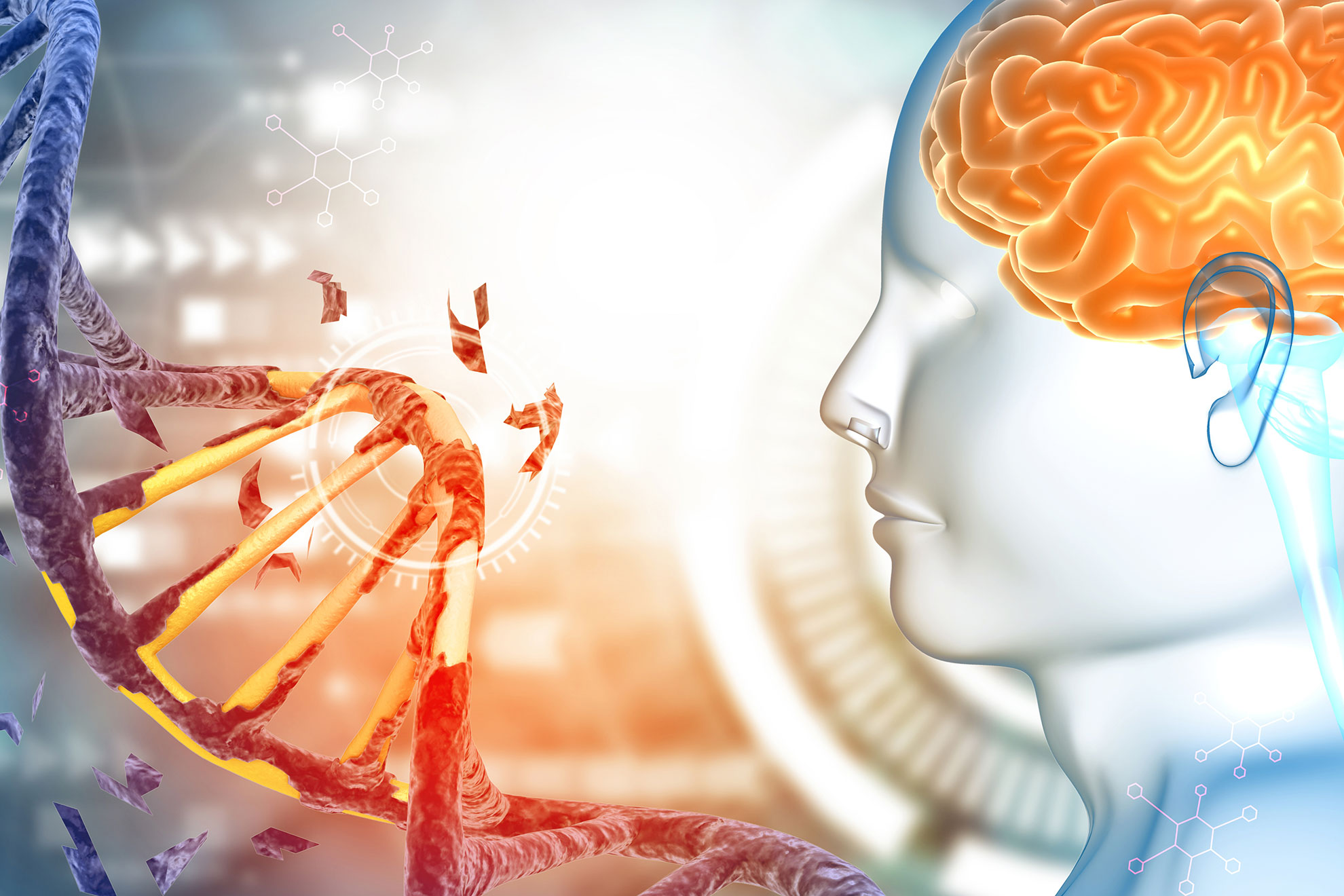
"Distinct psychiatric disorders have more in common biologically than previously believed, according to the largest and most detailed analysis to date of how genes influence mental illness. The study, led by researchers at University of Colorado Boulder, Harvard, and Mass General Brigham, examined DNA data from more than 1 million individuals diagnosed with at least one of 14 psychiatric disorders and 5 million with no diagnoses."
"Working in collaboration with the international Psychiatric Genomics Consortium Cross-Disorder Working Group, investigators discovered that five underlying "genomic factors" involving 238 genetic variants made up the majority of the genetic differences between those with a particular disorder and those without it. The disorders are grouped into five categories, each with a shared genetic architecture, including: disorders with compulsive features such as anorexia nervosa, Tourette disorder and obsessive-compulsive disorder (OCD); "internalizing conditions" including depression, anxiety, and post-traumatic stress disorder;"
"Notably, the paper groups bipolar disorder and schizophrenia in a fifth category, reporting that 70 percent of the genetic signal associated with schizophrenia is also associated with bipolar disorder. The field of psychology has historically viewed bipolar disorder and schizophrenia as very different, and clinicians typically will not diagnose an individual with both. "Genetically, we saw that they are more similar than they are unique," said corresponding author Andrew Grotzinger, assistant professor of psychology and neuroscience at CU"
DNA from more than 1 million individuals diagnosed with at least one of 14 psychiatric disorders and 5 million individuals without diagnoses was examined. Five underlying genomic factors involving 238 genetic variants comprised the majority of genetic differences between affected and unaffected individuals. Disorders were grouped into five categories with shared genetic architecture: compulsive-feature disorders (anorexia nervosa, Tourette disorder, OCD), internalizing conditions (depression, anxiety, PTSD), substance use disorders, neurodevelopmental conditions (autism, ADHD), and a bipolar–schizophrenia category. Approximately 70 percent of the genetic signal for schizophrenia overlaps with bipolar disorder. Potential exists for more precise treatments with less medication.
Read at Harvard Gazette
Unable to calculate read time
Collection
[
|
...
]