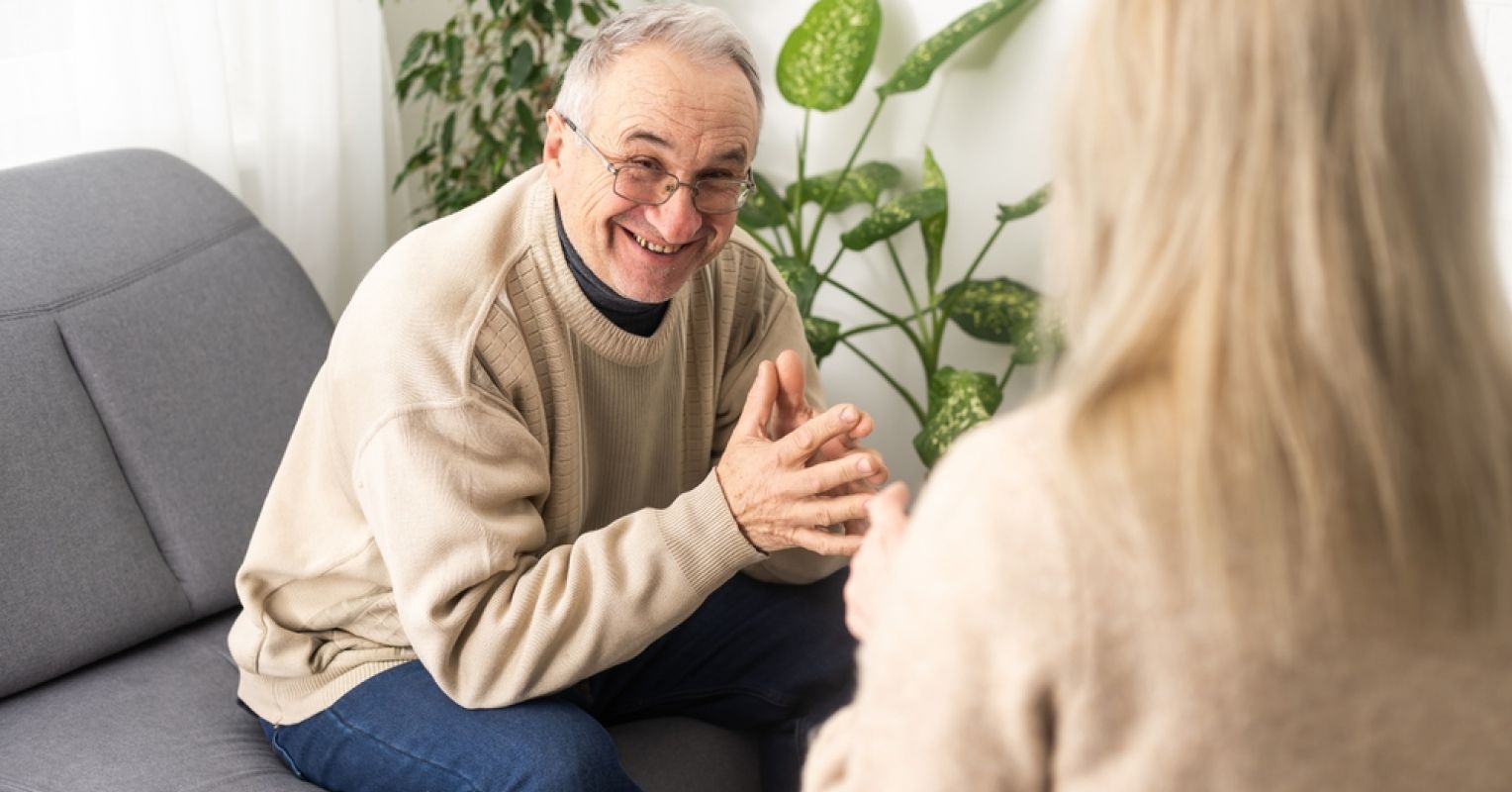
"Many people transition successfully into a fulfilling and satisfying retirement, though this is certainly not true for everybody. Any retiree can experience this transition as stressful, and the retirement years are particularly challenging for those who must remain employed later in life due to financial pressure and/or health insurance needs or who were involuntarily retired due to job closures, layoffs, or health problems."
"In her book Rethinking Retirement for Positive Aging (2024), Denise Taylor concluded that up to a third of people who retire find the transition either stressful or notice a decline in their well-being. An additional 10 to 25 percent experience difficulties in adjusting to retirement, including mental health complications. Common issues include unstructured time, loss of identity, relationship distress, sadness, loneliness, substance use problems, gambling concerns, and directly encountering the implicit and explicit ageism prevalent in so many areas of our day-to-day lives."
"First, we tend to rely on friends, family, and religious organizations for support; if these are not successful, people then turn to their medical doctor. Second, adults 60 and older, having already navigated numerous life challenges, believe they will ultimately construct the ideal solution on their own; many do, but others continue to suffer. Third, many adults have misunderstandings about the process of counseling; they believe counseling consists of focusing on the past (e.g., relationship with one's mother) and report they do not "
Retirement can be stressful and cause declines in well-being and mental health for a substantial minority of people. Up to a third of retirees find the transition stressful or notice reduced well-being, and an additional 10–25% experience adjustment difficulties including anxiety, depression, or other mental health complications. Common problems include unstructured time, loss of identity, relationship distress, sadness, loneliness, substance use and gambling concerns, and encountering ageism. Major reasons for declining counseling include reliance on informal supports, belief in self-resolution, misunderstandings about counseling, and feelings of shame or embarrassment. Counseling options exist to help people adjust and thrive when accessed.
Read at Psychology Today
Unable to calculate read time
Collection
[
|
...
]