"Understanding why year-end feels challenging for so many begins with recognising how easily the stress response is activated. Fatigue, overstimulation, disrupted routines, and difficult family dynamics can trigger the sympathetic nervous system, the circuitry in our brain responsible for fight or flight. This can lead to: Elevated cortisol, the body's main stress hormone Shallow breathing, which further signals a threat to the brain Muscle tension Sleep disruption"
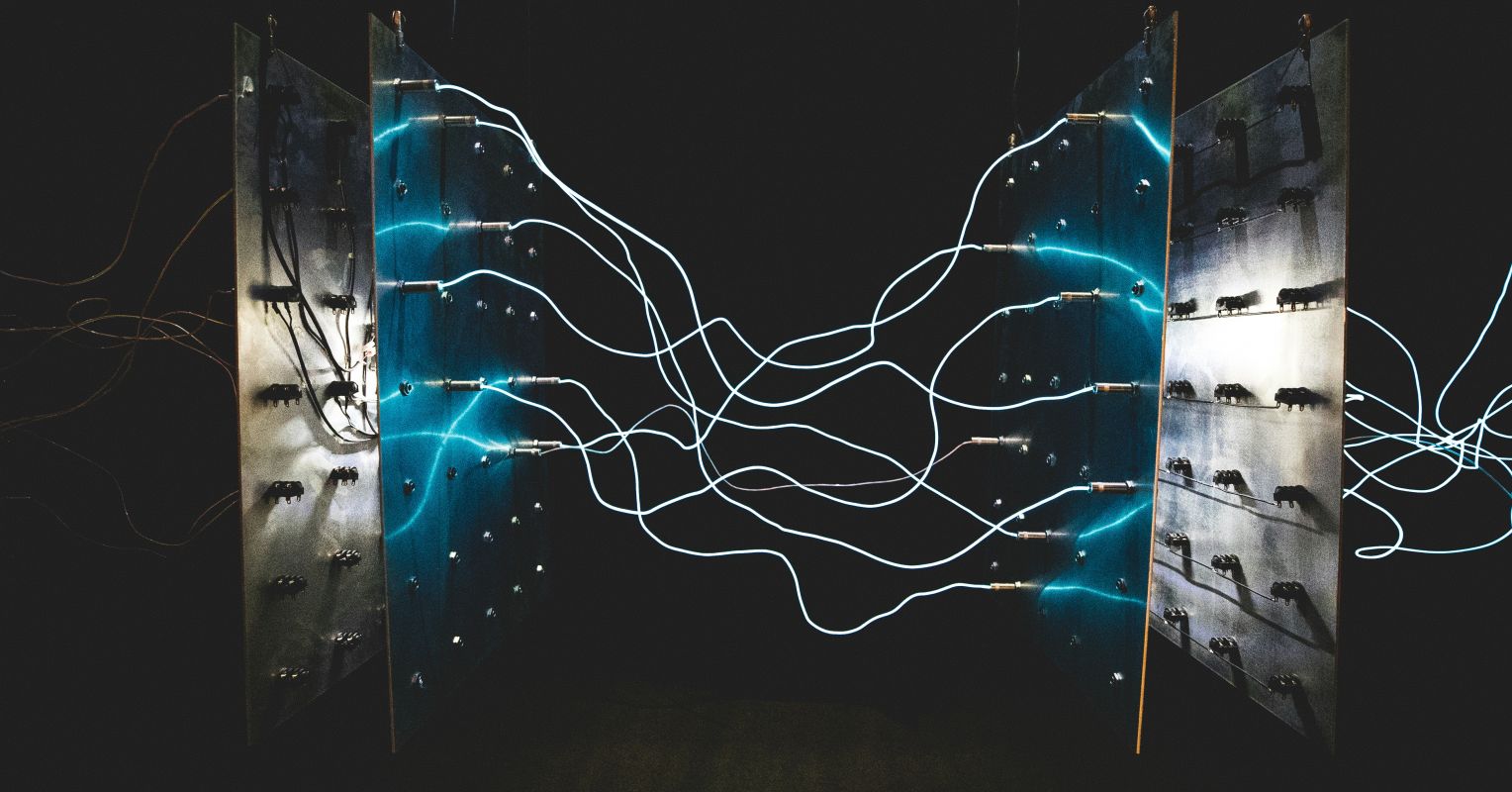
"It creates what I call the fuse-box effect -a way of strengthening the internal circuit breaker that prevents us from short-circuiting when emotional currents run high. In the same way as a home's fuse box protects wiring from an electrical overload by interrupting the current, meditation can help create a similar protective mechanism in the mind and body. This effect is achieved through the physiological changes that practices like meditation activate, including lower cortisol levels, improved heart-rate variability, reduced inflammation, and enhanced emotional resilience."
Year-end environments often trigger heightened stress through fatigue, overstimulation, disrupted routines, and difficult family dynamics that activate the sympathetic nervous system and the fight-or-flight response. Elevated cortisol, shallow breathing, muscle tension, and sleep disruption create conditions for emotional overload and reactive behaviour. Meditation builds a protective 'fuse-box' in the mind and body by inducing physiological changes such as lower cortisol, improved heart-rate variability, reduced inflammation, and enhanced emotional resilience. Regular meditation practice strengthens self-regulation, reduces impulsive reactions during tense social and financial moments, and makes calm responses more achievable when emotional currents run high.
Read at Psychology Today
Unable to calculate read time
Collection
[
|
...
]