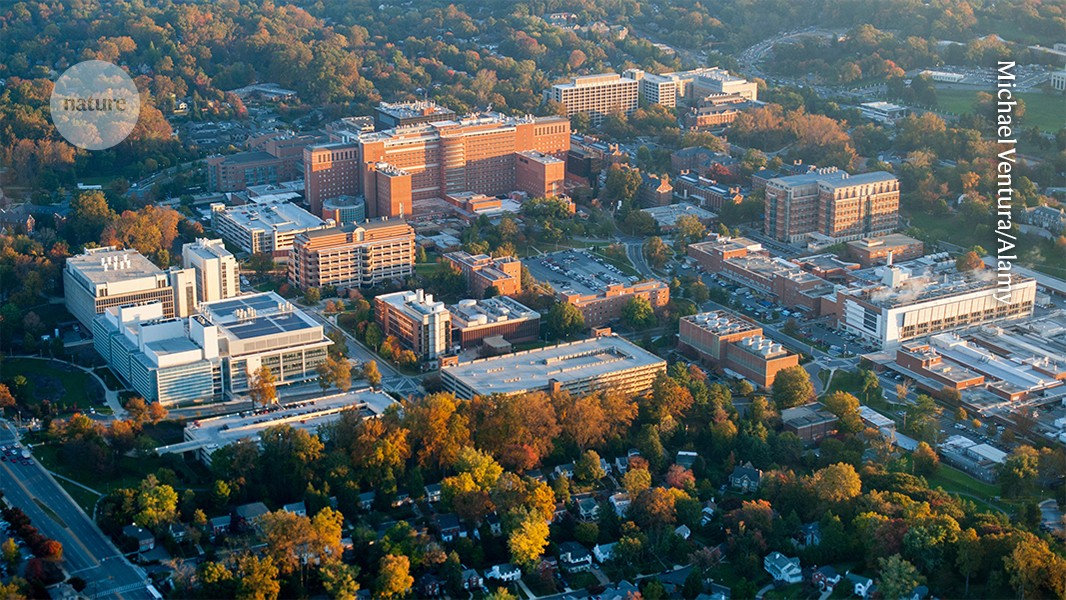
"For decades, the US National Institutes of Health (NIH) has funded a significant chunk of its grants by asking researchers to submit proposals that address specific scientific problems that the agency's specialists deemed important. But in the past year, the agency - under new leadership since the return of US President Donald Trump to office in January 2025 - has sharply cut the number of these 'solicited' calls for funding, and instead directed the agency to increase its spending on 'unsolicited' research proposals driven by individual scientists' interests."
"But others worry that this will mean fewer large, special collaborative projects that require agency coordination - for instance, initiatives such as the Human Genome Project or multi-laboratory clinical trials - that have often been financed through specialized funding calls and cannot be initiated by any one investigator or group. And NIH employees told Nature that the change could widen knowledge gaps in understudied areas of science, such as rare and neglected diseases."
"The change in strategy has also contributed to funding delays this year because the Trump administration officials have been scrutinizing all funding calls before they are issued by the NIH, to make sure they align with the administration's priorities. Agency staff members say that some of these delayed calls are for programmes and research areas, such as diabetes, that the US Congress has directed the NIH to fund."
The National Institutes of Health has significantly reduced solicited funding calls—proposals addressing specific scientific problems identified by agency specialists—in favor of unsolicited proposals driven by individual researchers. This shift aims to reduce administrative costs and provide scientists greater flexibility in choosing research directions. However, concerns arise that this change will diminish large collaborative projects requiring agency coordination, such as the Human Genome Project or multi-laboratory clinical trials. Additionally, NIH employees worry the change could widen knowledge gaps in understudied areas like rare and neglected diseases. The Trump administration's scrutiny of funding calls before issuance has also caused delays in programs Congress has directed the NIH to fund, including diabetes research.
#nih-funding-policy #research-grant-strategy #solicited-vs-unsolicited-proposals #collaborative-research-projects #scientific-funding-priorities
Read at Nature
Unable to calculate read time
Collection
[
|
...
]