""This is actually a delay for justice for us," said Flores. "We were moving forward in the District Court, and I consider this move by the Department of War to challenge it at the Supreme Court as a strategy to delay justice for our people and to answer to the law.""
"Before World War II, Tarague Beach was where Flores' grandfather and great-grandfather grew coconut trees to cultivate copra, dried coconut meat that was then the island's biggest export, and where they raised pigs and fished."
"Following the U.S. recapture of Guam, the CHamoru people were reeling from more than two years of torture, abuse, and malnutrition, during which Indigenous women were forced into sexual slavery for Japanese soldiers."
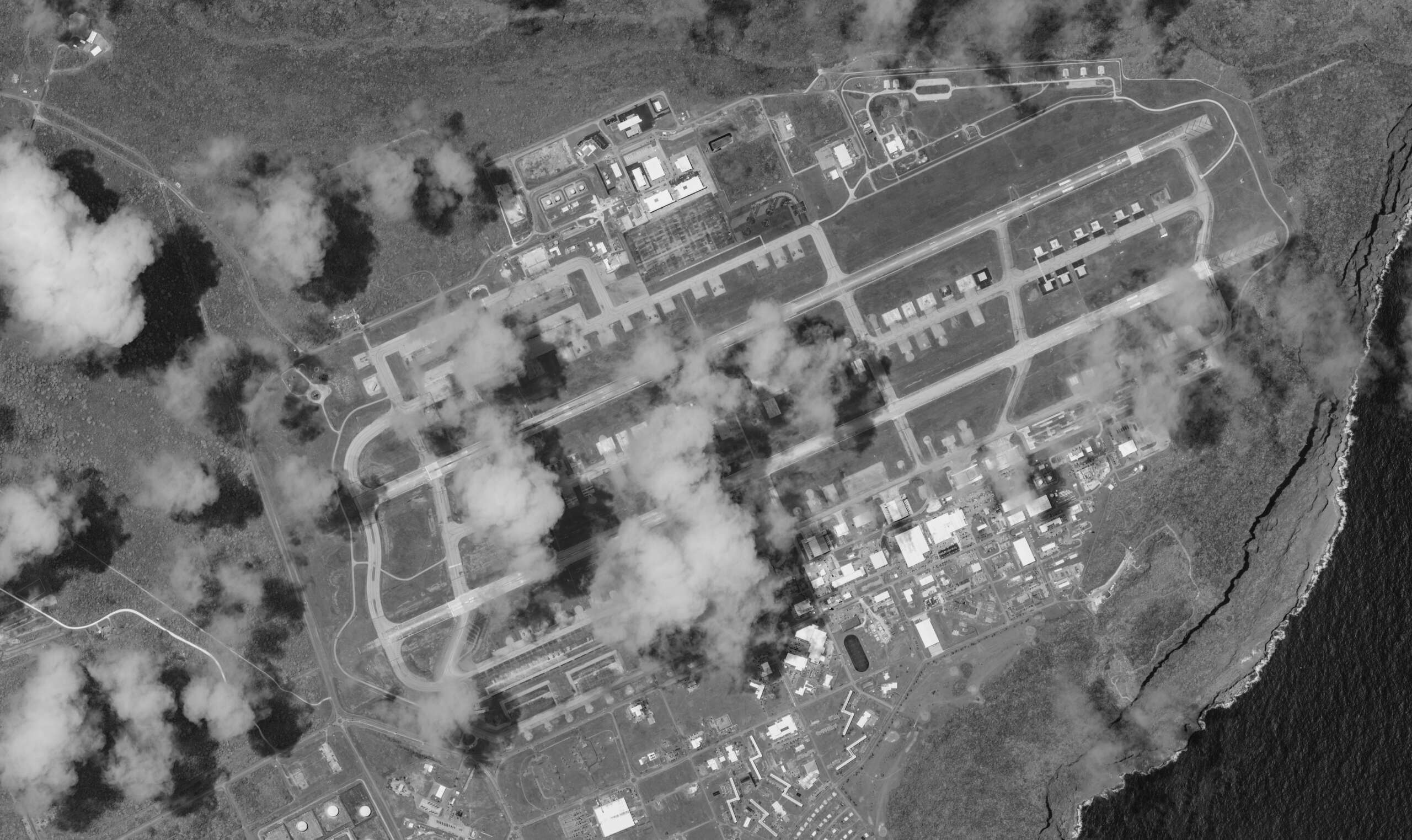
The U.S. Supreme Court is set to hear a case concerning Tarague Beach in Guam, significant to the Indigenous CHamoru people. The U.S. Air Force seeks to continue munitions detonation on this site, which is above the island's main aquifer. CHamoru activist Moneaka Flores views this appeal as a setback in their fight for justice regarding ancestral land. Historically, Tarague Beach was vital for her family, who faced severe hardships during World War II, including forced labor and loss of property due to military actions.
Read at Truthout
Unable to calculate read time
Collection
[
|
...
]