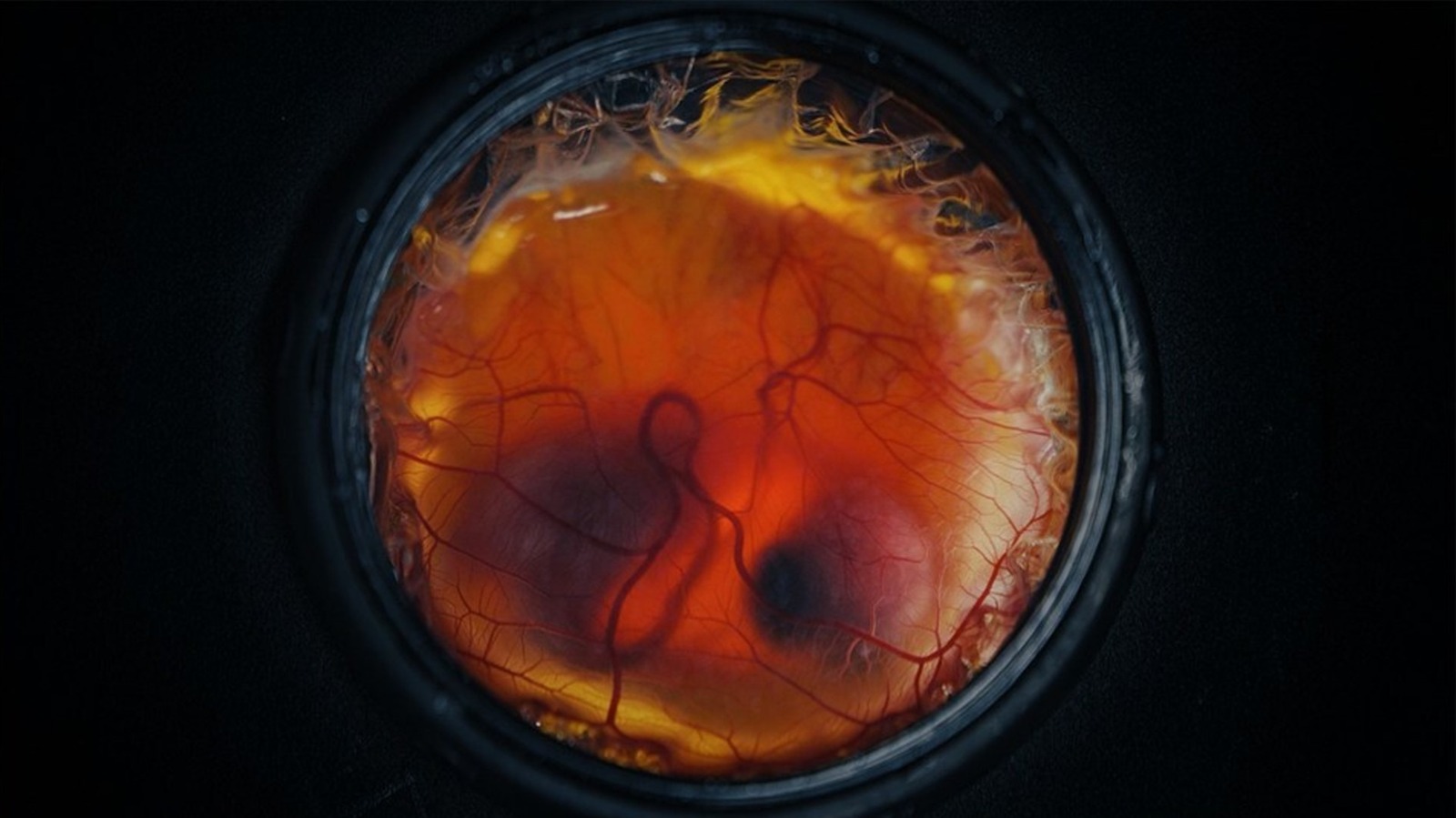
Colossal Biosciences reported hatching 26 healthy chicks from 3D-printed artificial eggshells. The artificial shell uses a semi-permeable silicone-based membrane lattice that allows oxygen to pass while protecting the inner contents, supported by a rigid cup. Embryos come from eggs laid by hens, with viable candidates selected within 24 to 48 hours and the contents transferred into the artificial structure after removing the original shell. The company frames the artificial egg as a later-stage incubation vessel rather than a point of genetic intervention. It aims to support de-extinction projects such as the South Island giant moa and the dodo, considering surrogate egg-producers like Nicobar pigeons, emus, or tinamous.
"Colossal Biosciences, the "de-extinction" biotech company best known for its claims of reviving the dire wolf, announced this week that it has hatched 26 healthy chicks from 3D-printed artificial eggshells. According to the company, it's a step toward its goal of bringing back the South Island giant moa ( Dinornis robustus), an enormous bird that's been extinct for some 600 years, and the dodo."
"Colossal's artificial eggshell is made up of a semi-permeable silicone-based membrane lattice that allows oxygen to pass through while still protecting the inner contents, and a rigid support cup that holds it all together. The embryo is taken from an egg laid in the usual way, by a hen."
""In the current workflow, scientists examine eggs laid by real hens within 24 to 48 hours of laying, select viable candidates, and transfer the contents - minus the shell - into the artificial egg structure," Colossal explained in a blog post. "All upstream biology, from fertilization through laying, still occurs in a living bird. For de-extinction applications, the artificial egg is intended as a later-stage incubation vessel, not the point of genetic intervention.""
""The moa laid eggs roughly eight times the size of an emu's, so no species alive today could serve as a surrogate for the entire process. Colossal says it is eyeing the Nicobar pigeon as a possible surrogate egg-producer for its dodo project, and is considering the emu or tinamou for the moa.""
Read at Engadget
Unable to calculate read time
Collection
[
|
...
]