"One of the biggest questions in animal cognition is whether animals behave with intent. The standard assumption for centuries has been that their behaviors are driven solely by instincts, drives, or training. Behaviors that don't fit those templates are often considered coincidental or accidental, as mistakes that occur while an animal is goofing around. In other words, such behaviors might appear (to us misguided humans) to be intentional-but in the old view, they are not."
"Over the past 30 or 40 years, science has made fascinating discoveries about what animals can do. Few of our ancestors would have claimed that elephants stand beside their dead for days, that baboons can distinguish real words from nonwords, or that baby birds babble to learn songs just as human infants babble to learn speech. We know now that seagulls drop clams on hard ground to break them open for food, killer whales carry their dead for weeks, magpies recognize their images in mirrors, and mice respond to suffering in other animals."
"These examples have been observed at length, and many have undergone rigorous scientific replication. No one would have predicted such riches 40 years ago. And horses are no exception. With mental capacities under-estimated for millennia, these animals display outstanding memories, complex societies, sophisticated silent communication, effective problem-solving, and much, much more. But do they show intent? I think so."
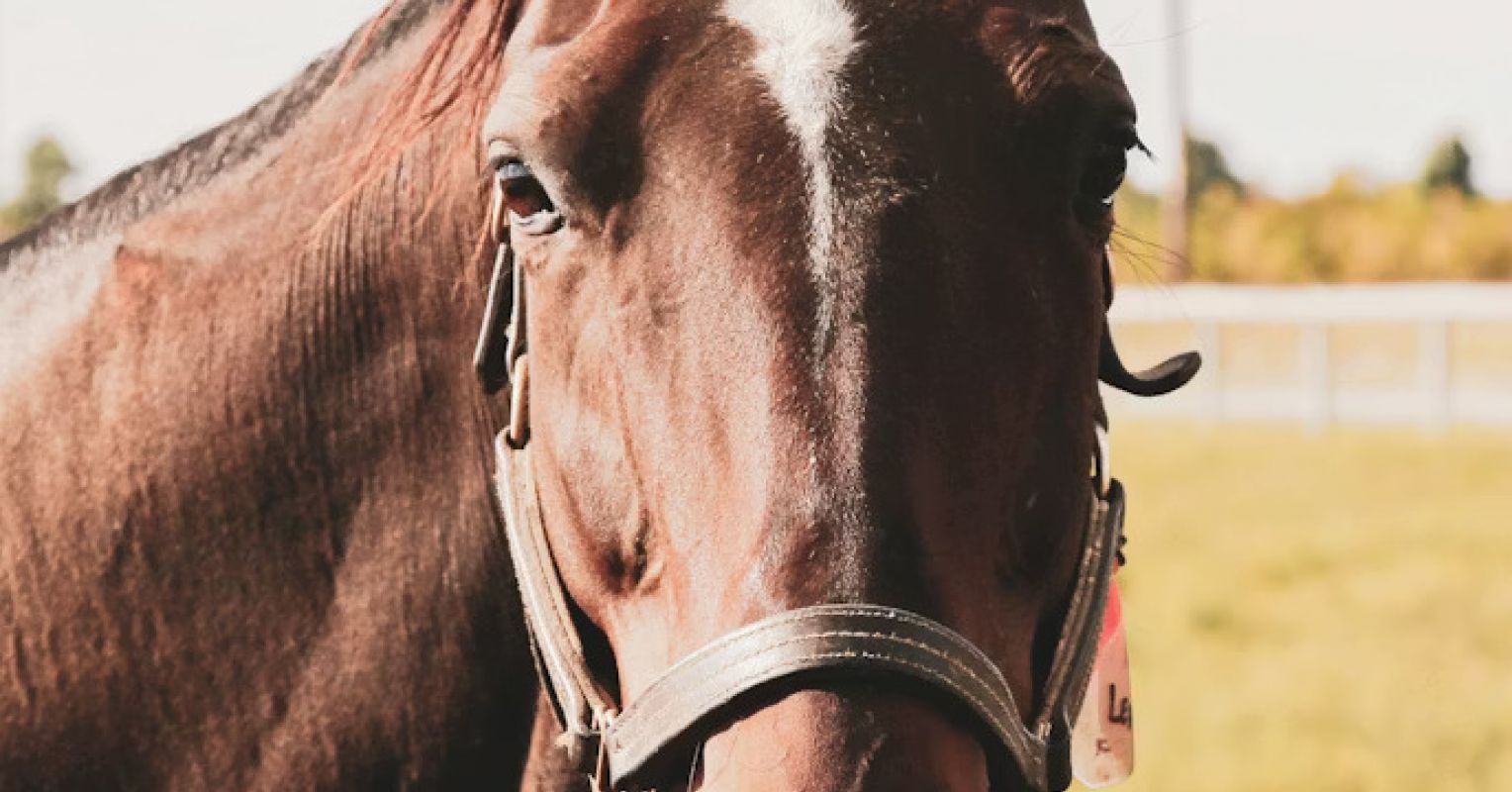
"Upon moving to a new barn a few years ago, one of my horses in training began to use his halter in a way that strongly suggested intent. Halters were hung on hooks just outside each stall door, within the horse's reach. This is not uncommon-it helps us to catch a prey animal quickly if we need to. Instead of living in a pasture 24/7, Mac was now led to the"
Animal cognition research has challenged the long-held assumption that animal behavior is driven only by instinct, drives, or training. Many observed behaviors appear goal-directed rather than accidental, including elephants staying beside their dead, baboons distinguishing real words from nonwords, and baby birds babbling to learn songs. Other examples include seagulls dropping clams to open them, killer whales carrying their dead, magpies recognizing themselves in mirrors, and mice responding to suffering in other animals. Additional findings include ticklish rats, humming bears, surfing goats, prairie dogs with advanced vocabularies, sea lions reasoning deductively, and parrots that count. Horses also show strong memory, complex social structures, silent communication, and problem-solving, supporting the idea that they can act with intent.
#animal-cognition #intentional-behavior #comparative-psychology #animal-communication #cognitive-science
Read at Psychology Today
Unable to calculate read time
Collection
[
|
...
]