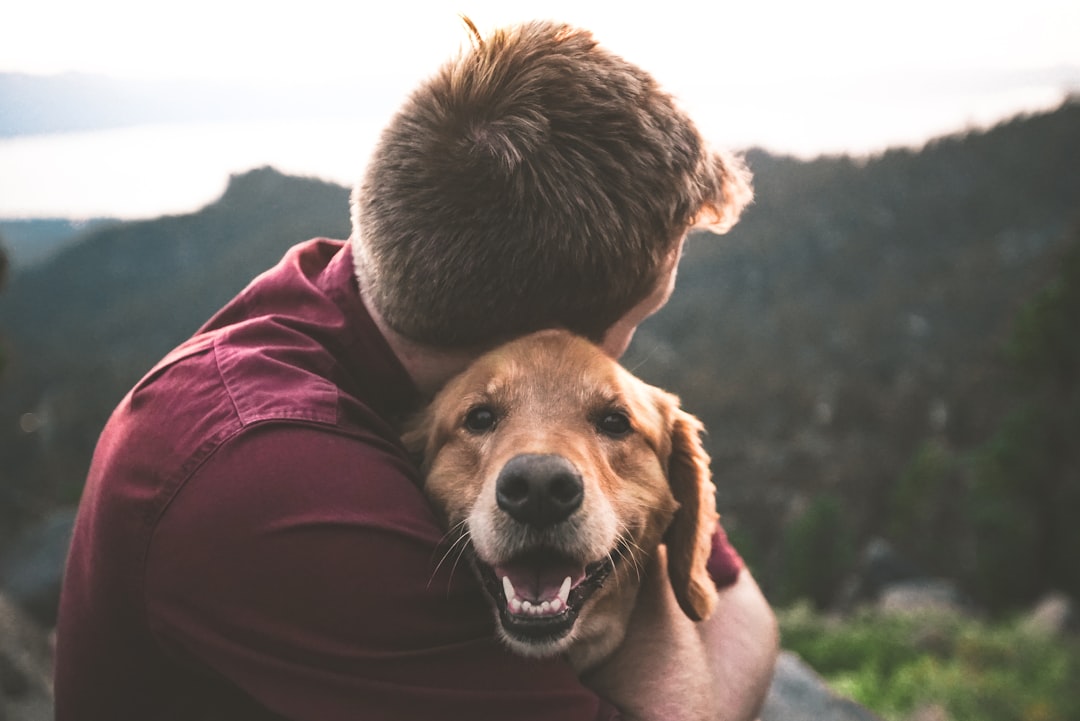
"The COVID-19 pandemic has touched nearly every aspect of our lives, including the way we form connections with our four-legged friends. As many Americans found themselves confined to their homes, the dynamics of dog ownership shifted in unexpected ways. From an increase in adoption rates to new challenges of pet care, the pandemic has left a lasting imprint on how we relate to our canine companions."
"As the pandemic took hold, animal shelters experienced an unprecedented surge in dog adoptions. With more time spent at home, many individuals and families saw the opportunity to welcome a new pet into their lives. Dogs offered not only companionship but also a much-needed sense of normalcy amid unprecedented times. Shelters across the country reported record low numbers of homeless animals, a heartwarming trend that spoke to the public's desire for connection and purpose."
"The increase in adoptions was not merely a matter of convenience. For many, adopting a dog became a way to combat loneliness and anxiety, common feelings during lockdowns. Dogs, with their unconditional love and need for care, provided an emotional anchor. This surge in adoption was so significant that some shelters even began running out of animals to adopt, a testament to the profound impact pets can have on human lives."
Dog adoptions rose sharply during COVID-19 as more people spent time at home, leading shelters to report record low numbers of homeless animals. Many individuals and families adopted dogs for companionship and a sense of normalcy, using pet care to combat loneliness and anxiety. The influx of adoptions created a cohort known as 'pandemic puppies' that were socialized amid social distancing and mask-wearing, producing unique developmental and behavior challenges. Some shelters temporarily ran low on animals available for adoption. Dogs provided emotional anchoring and a strengthened human-animal bond that changed routine care and relationship dynamics.
Read at Doggodigest
Unable to calculate read time
Collection
[
|
...
]