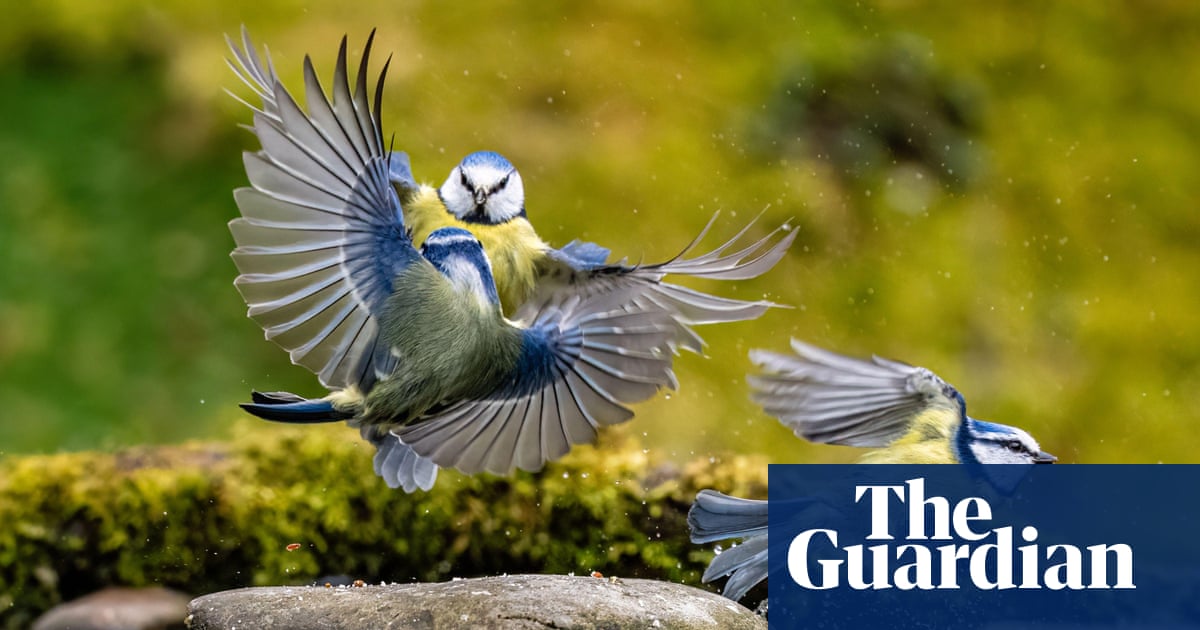
"Around a third of UK gardeners use pesticides, and our studies found that house sparrow numbers, for example, were nearly 40% lower in gardens where the pesticide metaldehyde was used. By reducing pesticide use, you can actively encourage birds back into your outdoor spaces, as they rely on invertebrates such as slugs and snails as natural prey."
"Planting shrubs and flowers that provide natural food sources throughout the year is far safer than supplementary feeding, which can unintentionally increase the spread of disease among garden birds. Our research has also revealed unexpected risks from pets. Many wellmeaning owners leave fur from recently groomed pets for birds to use in nest building."
"We discovered residues of highly toxic pesticides from pet flea treatments inside the nests of blue tits and great tits, revealing another unseen hazard within the garden environment. If we want our gardens to keep ringing with birdsong, small changes in how we garden and care for pets can make a real difference."
Garden birds face significant hidden threats from common gardening practices. Pesticide use, particularly metaldehyde, reduces house sparrow populations by nearly 40% in treated gardens. Birds depend on invertebrates like slugs and snails for food, making pesticide reduction crucial for their survival. Supplementary feeding can spread disease among bird populations, making natural food sources from planted shrubs and flowers preferable. Pet grooming materials left for birds contain toxic pesticide residues from flea treatments, contaminating nests of blue tits and great tits. Simple changes to gardening methods and pet care practices can significantly improve garden bird populations and health.
#garden-bird-conservation #pesticide-impact-on-wildlife #pet-care-and-bird-safety #natural-gardening-practices
Read at www.theguardian.com
Unable to calculate read time
Collection
[
|
...
]