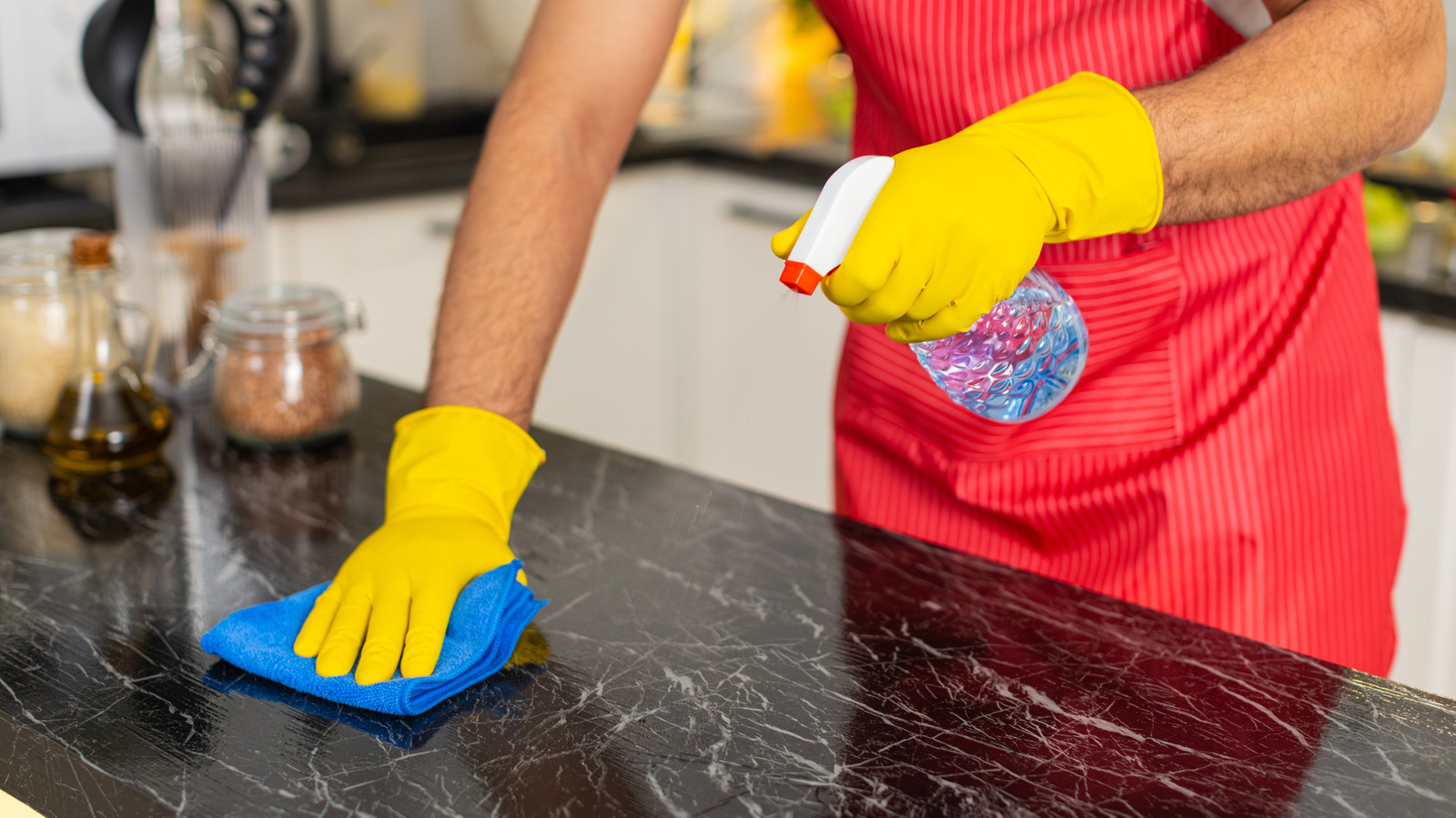
"Spraying Windex directly onto a small insect may kill it, but not because the product's chemical composition makes it a dupe for bug spray. It is more to do with the more simple, observable cause-and-effect physics and physiology of blasting a small creature with liquid."
"Insects breathe very differently than humans. Instead of lungs, they have tiny openings along their bodies, called spiracles, that allow oxygen to enter a network of internal tubes. When a liquid coats those openings, airflow can be disrupted or blocked entirely."
"Windex, and other glass cleaners, contain ingredients designed for cleaning glass. Most formulas include a blend of ammonia compounds, solvents and surfactants that break up grease and loosen dirt so it can be wiped away without streakiness."
"However, a wide spray of ammonia-based chemicals over a food prep area also brings with it contamination concerns, and could get toxic, so it is definitely not something to do if you are in the middle of chopping up ingredients for dinner."
Windex can kill small insects by spraying it directly onto them, as it disrupts their breathing through spiracles. Insects breathe through tiny openings, and liquid can block airflow, leading to suffocation. While Windex contains ammonia and surfactants that enhance its cleaning properties, using it as a pest control method poses contamination risks, especially in food preparation areas. The force of the spray can also knock insects off balance, making it harder for them to escape.
Read at Tasting Table
Unable to calculate read time
Collection
[
|
...
]