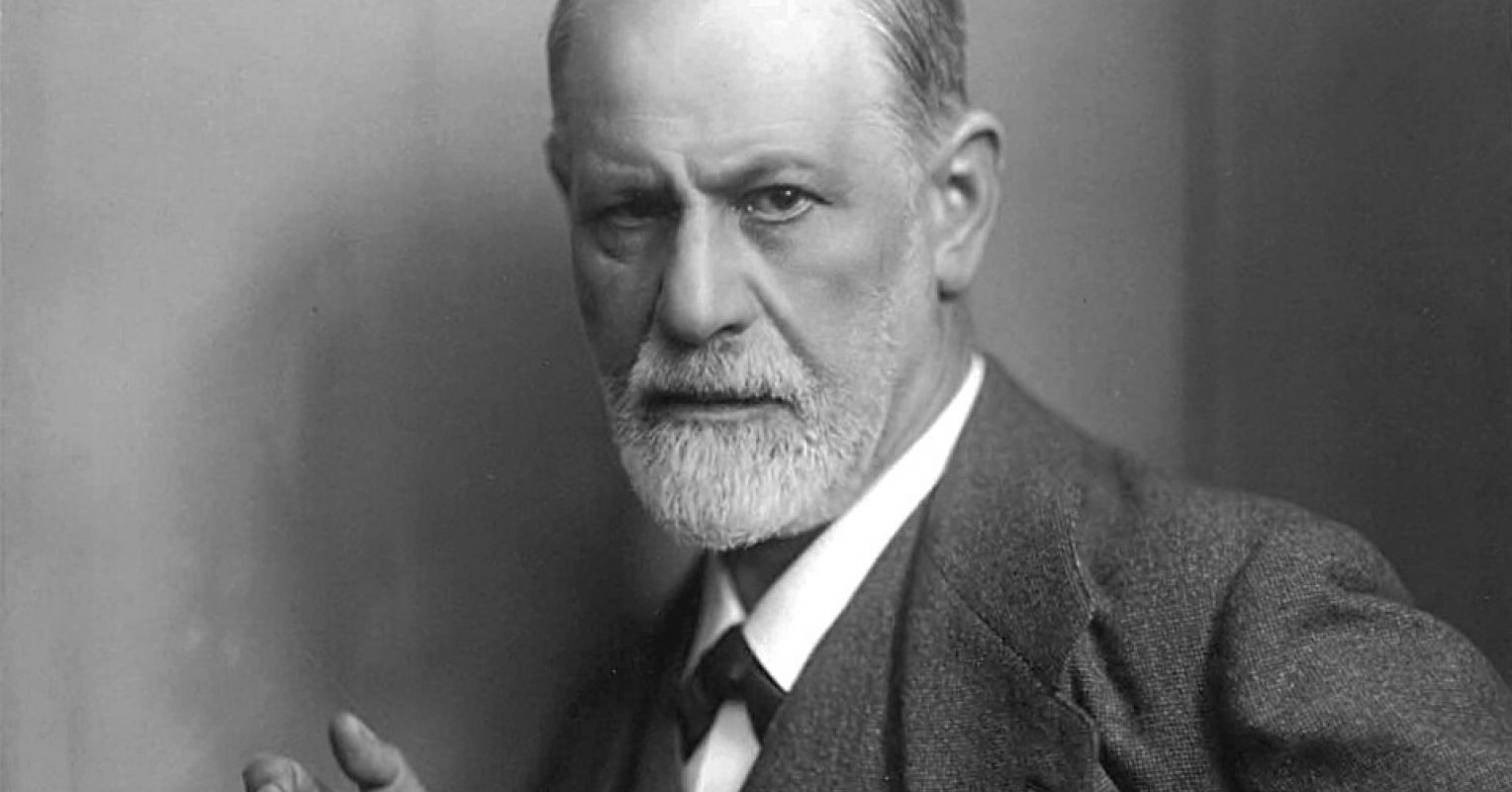
"What was called "mental healing" grew out of the religious movements of the 19th century that paved the way for subsequent philosophies promising spiritual or psychic betterment. The Boston-based Emmanuel movement reached its apex of popularity shortly before Sigmund Freud made his legendary appearance at Clark University in 1909; the quasi-religious group consisted of both ministers and doctors, offering its members a sort of proto- psychotherapy."
"That coincided with the spread of Freudian thought, which provided a mechanism for people to channel their emotional issues. With our love for all things modern in the Roaring Twenties, conflicted feelings about sex, pronounced streak of individualism, and entitlement to happiness, it should hardly be surprising that psychoanalysis found an ideal climate to flourish in the United States."
Therapy originated in modern Western culture with roots in 19th-century religious movements that promised spiritual or psychic betterment. The Boston-based Emmanuel movement combined ministers and doctors in proto-psychotherapy before Sigmund Freud's 1909 appearance at Clark University. Freud's psychoanalysis was embraced as a more scientific successor to earlier mind-cure movements. After World War I a cultural shift toward individualism and a modern idea of the self created fertile ground for psychoanalytic approaches. In the 1920s psychoanalysis emphasized personal empowerment, self-regulation, and productivity. Therapeutic practice broadened and diversified through the latter half of the 20th century.
Read at Psychology Today
Unable to calculate read time
Collection
[
|
...
]