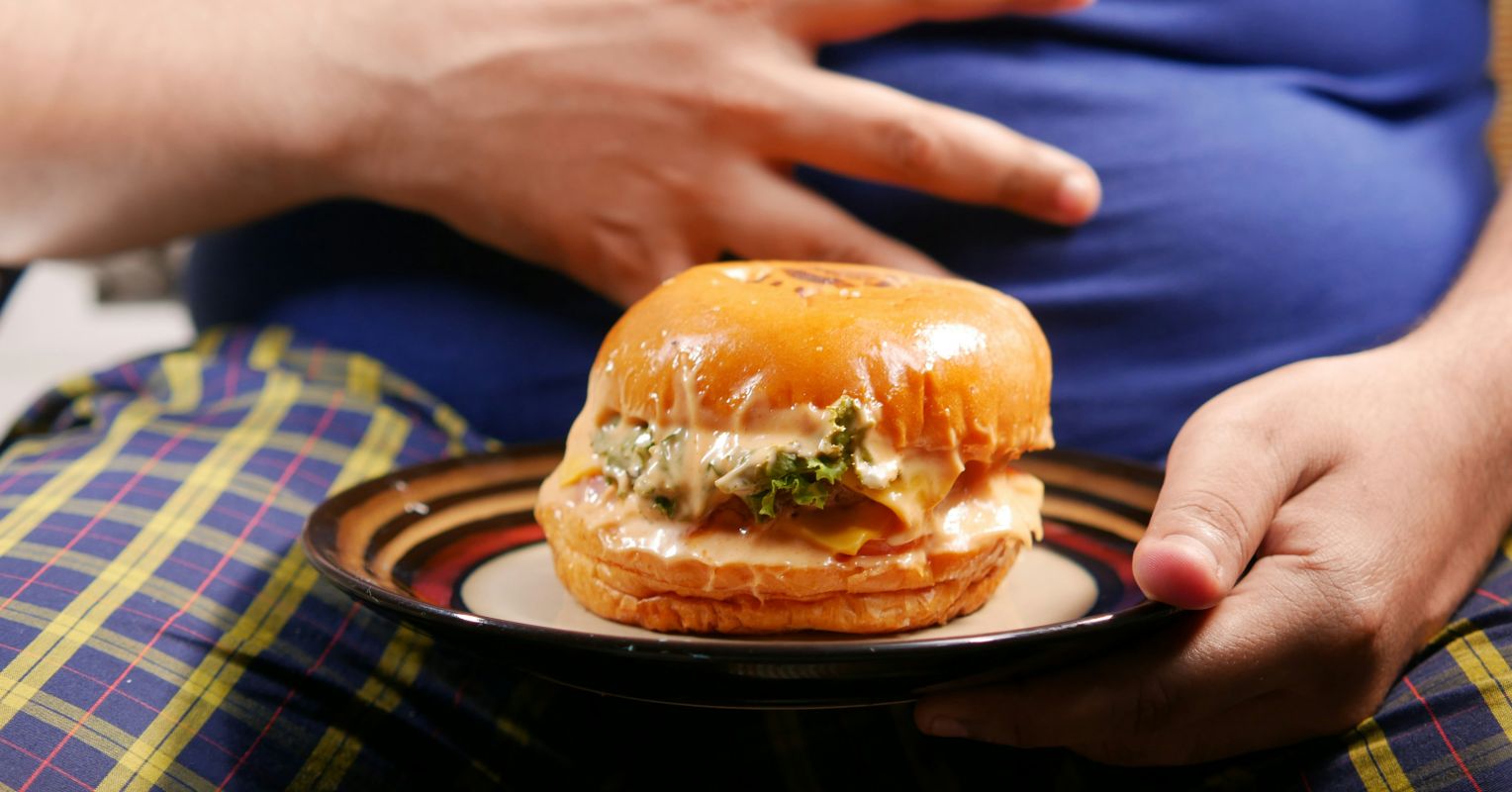
"When we are full, the brain does not stop treating these cues as rewarding. Even after people had eaten enough of a food to reduce its appeal, their early brain responses to images of that food stayed largely unchanged. Part of the brain may keep saying "more" even after the body has already said, "That's enough.""
"Modern life surrounds us with something that biology did not quite prepare us for: a constant stream of food cues. Packaging. Ads. Bakery windows. Delivery photos. The glow of a refrigerator at midnight."
The brain's reward system responds to food cues differently than the body's hunger signals. When people eat until full, their desire for that specific food decreases, but brain imaging shows early neural responses to images of that food remain largely unchanged. This disconnect means food cues—packaging, advertisements, bakery windows, delivery photos—continue triggering learned reward signals even when the body has signaled satiation. Modern environments constantly expose people to these cues, which the biological hunger-regulation system did not evolve to handle. Overeating may result not from an empty stomach but from a brain that continues reacting to food stimuli despite physical fullness.
#brain-reward-system #food-cues-and-overeating #hunger-regulation #neural-responses-to-food #satiation-disconnect
Read at Psychology Today
Unable to calculate read time
Collection
[
|
...
]